Supplier Assurance in Food Manufacturing

The Food Industry Hub Blog

Food Industry Hub blog

The Food Industry Hub blog includes practical discussion for food manufacturing professionals across technical, cultural, management and professional themes.

This post is part of the category:

Introduction

Supplier assurance updates can fairly time-consuming, but maintaining proper oversight of your supply chain is a key mitigation process against raw material processing risks – so well worth the effort.

We’ve signposted to a collection of resources that will be helpful in quickly alternating between assurance platforms. In this post, we also make some observations about assurance schemes, and their role in supply chain risk mitigation.

As we dive into the topic, you may also like to check out The Food Industry Hub Signposting Service, which presents a broader collection of food industry resources than are included in the scope of this post.

You will also be interested to know that we offer software for food manufacturers – with management systems specially tailored to the food manufacturing industry.

The following is a selection of resources chosen for their value as supplier assurance resources.

Supplier Assurance Through Voluntary Assurance Schemes

Voluntary assurance schemes play an important role over the food supply chain, in that they form a trust signal between buyer and seller. You can make purchases from food processors with a reasonable degree of confidence in their assurance processes by virtue of the fact that they are able to demonstrate their internal assurance processes at audit. There are checks and balances built into the system, with auditor competency and independence being enforced across accredited auditing bodies.

The international supply chain implications of this are incredible. The Global Food Safety Initiative (GFSI) Recognised Standards actually present a framework for food processing standards that are highly-regarded enough to facilitate international supplier approval processes – practically nullifying the need for food manufacturers to carry out second party audits.

Where it was once common for food manufacturers to email each of their suppliers annually for updated assurance certificates, verification against an assurance directory presents efficiency advantages, as well as reducing exposure to fraudulent assurance certificates.
Supplier Assurance Through Voluntary Assurance Schemes for food manufacturers

Sign-up for the Food Industry Hub Mail Service

We regularly produce new content for food industry professionals, and the Food Industry Hub Mail Service is the best way to stay up to date with the latest additions.

Signup today to be added to the Food Industry Hub mailing list.

Supplier Assurance Leading into Supplier Approval

Supplier approval processes depend on risk assessment, and will almost always regard certification to a voluntary assurance scheme as being a risk mitigator. In fact, for the purpose of compliance with supplier approval requirements for GFSI, supplier approval conditions can be met exclusively by virtue of the supply site being certified to any GFSI scheme.

By regularly verifying the certification status of your suppliers across applicable assurance directories, you can be assured of the fact that your suppliers have been able to successfully demonstrate the implementation of quality assurance systems at their most recent audit. It’s very much like having an MOT for each supplier – on the date of the inspection, the requirements were found to have been met.

This is transformative compared to the alternative (of not having assurance schemes), but each food manufacturer should carry out their own risk assessments to determine whether any further approval requirements would be appropriate in each case.

Supplier assurance is fundamental to food safety, and is recognised as a prerequisite programme for the HACCP system – so it’s critical for food manufacturers to ensure robust assurance and approval processes are in place.
Supplier Assurance Leading into Supplier Approval in the food industry

In Summary

Assurance schemes exist across the global food ecosystem – governing concerns such as quality assurance and ethical or sustainability initiatives.

Regularly interacting with supplier assurance databased such as the BRCGS Directory and FSSC22000 Directory can contribute supplier assurance evidence into your supplier approval processes.

Further Resources

Food Industry Hub serves the food industry with a range of digital resources for the benefit of both commercial food manufacturers and food industry professionals.

For food manufacturers, we offer integrated management systems that give every user a direct interface with your QMS.

For food industry professionals, we provide an extensive signposting service in addition to informational content we hope you’ll find useful as you face new professional challenges. We have very ambitious plans to expand the range of services offered, and currently present informational content on management, safety and quality, and professional success.

Site Standards for Food Manufacturing Facilities

Site Standards for Food Manufacturing Facilities

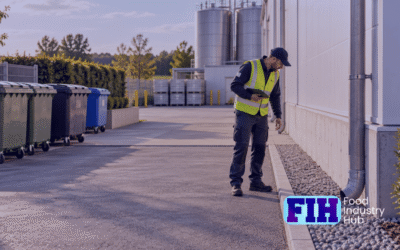
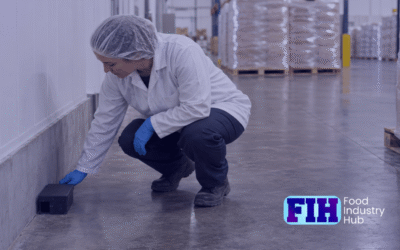
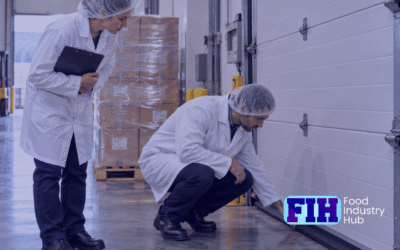
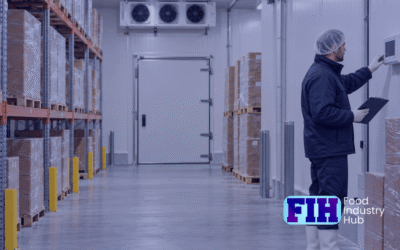
When it comes to food manufacturing, site standards are the foundation of food safety, quality, and legal compliance. Every aspect of your facility—from pest control to storage conditions and transportation—plays a crucial role in protecting products from contamination, deterioration, or security risks. A well-maintained site isn’t just about meeting audit expectations; it’s about safeguarding consumer trust and ensuring that every product leaving your facility is safe, authentic, and of the highest quality. Without robust site standards, even the most well-designed food safety systems can be undermined by poor environmental controls, inadequate maintenance, or overlooked risks in handling and transport.

This post takes a deep dive into the key requirements for site standards in food manufacturing facilities, offering practical insights into how each area contributes to overall food safety. From pest management and storage conditions to dispatch and transport, every detail matters when it comes to protecting your products and your business. Whether you’re refining your existing site standards or establishing them from the ground up, understanding these elements will help you build a facility that meets the highest industry expectations and operates with efficiency, security, and confidence.

Food Raw Material Risk-Assessment

Food Raw Material Risk-Assessment

IntroductionIn food manufacturing, raw materials form the foundation of your finished products, making their safety, quality, and compliance critical to your operations. A raw material risk assessment is a proactive tool that enables you to identify, evaluate, and...

The Food Safety and Quality Management System

The Food Safety and Quality Management System

You’re probably aware that ensuring food safety is a complex process. It’s not just about selecting the freshest ingredients; it’s also about implementing a robust Food Safety and Quality Management System. This system is a comprehensive guide, detailing responsibilities, procedures, and checks to produce safe and high-quality food. It’s about maintaining clear records, conducting internal audits, and upholding transparency with consumers. Sounds detailed and intricate, doesn’t it? Well, you might be curious about how this system actually works in practice and how it contributes to public health. Let’s explore this further.

The Food Safety Plan – HACCP

The Food Safety Plan – HACCP

IntroductionHave you ever considered how crucial the Food Safety Plan - HACCP is in preventing foodborne illnesses? By implementing a systematic approach that identifies and controls food safety hazards, it's possible to significantly reduce the risks of biological,...

Senior Management Commitment and Food Safety and Quality Management

Senior Management Commitment and Food Safety and Quality Management

IntroductionConsider the role of senior management in your organisation's food safety and quality management. Senior management commitment isn't just a formality; it's the backbone of establishing and maintaining a culture of accountability and excellence. They're not...

Non-Conforming Product Controls

Non-Conforming Product Controls

Maintaining strict controls over non-conforming products is crucial for upholding quality standards. Imagine the impact a single oversight could have on your brand’s reputation and customer trust. By implementing robust measures to identify, manage, and document non-conforming materials, you not only safeguard your business but also safeguard the safety of those who consume your products. But what happens when the unexpected occurs, and a non-conforming product slips through the cracks? How do you ensure swift and effective responses that protect both your customers and your bottom line?

Sources of Incidents and Non-Conformities Arising in Food Manufacturing Operations, and How to Respond

Sources of Incidents and Non-Conformities Arising in Food Manufacturing Operations, and How to Respond

When looking at the sources of incidents and non-conformities in food manufacturing operations, it’s crucial to understand the multifaceted nature of these occurrences – and how the source of the non-conformity can indicate underlying weaknesses in the QMS.

From analytical testing revealing potential issues to customer complaints shedding light on quality concerns, each aspect provides valuable insight. Proactive reporting and the intricacies of processing/manufacturing operations also play pivotal roles. By delving into these origins and crafting effective responses for ongoing improvements, you can proactively address challenges and elevate your operational standards to ensure long-term success across your operations.

Risk-Assessing Raw Materials for Food Fraud

Risk-Assessing Raw Materials for Food Fraud

Are you looking for a comprehensive guide to conducting a simple and effective vulnerability assessment for raw materials? If so, you’ve come to the right place! This post will provide an overview of why it is important to conduct a vulnerability assessment and shed light on best practices.

We’ll discuss historical evidence of, and economic factors that can encourage substitution, adulteration, and fraudulent activity related to raw materials. Additionally, we will take a closer look at ease of access within the supply chain, sophistication in routine testing practices along with identifying potential adulterants in the raw material itself.

Finally, we’ll cover potential outcomes and actions resulting from the assessment as well as how authenticity verification testing can help mitigate risks associated with fraud or adulteration.

Stay tuned to uncover the secrets of risk-assessing raw materials for food fraud – your business’s reputation may depend on it.

The Importance of Effective Quality Assurance Processes for Food Manufacturers

The Importance of Effective Quality Assurance Processes for Food Manufacturers

Do you ever think about how likely consumers are to switch brands if they experienced a quality or safety issue with a food product?
It’s commercially essential for food manufacturers to prioritise brand protection and customer satisfaction. Effective quality assurance processes play a vital role in ensuring the safety and consistent quality of food products.
From mitigating the risks of contamination to meeting compliance standards, these processes are essential for protecting brand reputation and improving customer satisfaction.

Threat Mitigation For Your QMS

Threat Mitigation For Your QMS

Imagine a scenario where a food manufacturer’s reputation is tarnished due to a product tampering incident that could have been prevented.

How can you safeguard your company from such threats? By implementing stringent threat mitigation strategies, you can proactively protect your brand, consumers, and bottom line.

Food Authenticity: How Food Manufacturers Can Combat Food Fraud

Food Authenticity: How Food Manufacturers Can Combat Food Fraud

In a world where food fraud has become increasingly prevalent, the integrity of our food supply chain hangs in the balance.
As a food manufacturer, you hold the power to combat this deception and restore trust in the products you produce.
But how can you ensure the authenticity of your food? How can you protect consumers from unknowingly consuming fraudulent goods?
In this post, we will explore the strategies and measures that food manufacturers can employ to fight against food fraud, safeguarding both their reputation and the well-being of those who rely on their products.

Handling Customer Complaints for Quality Improvement: A Guide for Food Manufacturers

Handling Customer Complaints for Quality Improvement: A Guide for Food Manufacturers

As a food manufacturer, you understand the importance of delivering high-quality products to your customers. However, no matter how meticulous your processes are, there will inevitably be instances where complaints arise.
But worry not, for in this guide, we will explore the process of constructively handling customer complaints for quality improvement.

Unpacking Traceability through Every Stage of Food Manufacturing

Unpacking Traceability through Every Stage of Food Manufacturing

Having full traceability over food manufacturing and production can be a complex process. Every stage needs special consideration to ensure accurate record-keeping, help manage incidents and understand where things come from. This post looks at traceability through every stage of food manufacturing, ranging from raw materials to dispatch records and mass balance reconciliation. Join us as we explore how traceability can be used to guarantee the safety and quality of your products throughout the supply chain.
Quality Management Systems (QMS): An Introductory Guide for Food Manufacturers

Quality Management Systems (QMS): An Introductory Guide for Food Manufacturers

The quality management system (QMS) is an extensive management structure of key importance to food manufacturing, but is often regarded as being highly technical and inaccessible.

In this explanatory guide, we will explore the key components of the QMS and how they are applied in the context of food manufacturing.

This post is intended to provide a brief introduction to the different facets of the quality management system in a way that’s accessible, without being overly technical.

Operational Risk Profiling for Food Manufacturers

Operational Risk Profiling for Food Manufacturers

All businesses are subject to risk, with categories of risk including competition, reputational risks, financial, economic, and political hazards. The scope of this blog is limited to food safety, quality, legality, and authenticity risks, and we’ll look at a range of hazards that all food manufacturers should be conscious of when evaluating the risk profile for operations. We’ll address food safety, quality, authenticity, and legality risks – and the way those risks can be introduced through product and process.

Non-Conformance, Process Deviations, and Quality Incidents in Food Manufacturing

Non-Conformance, Process Deviations, and Quality Incidents in Food Manufacturing

Understanding and properly addressing non-conformance, process deviations, and quality incidents is fundamental to continuous improvement and risk mitigation. In this blog post, we will take a comprehensive look at these quality events, their causes and documentation processes – before delving deeper into how food businesses should assess the risk associated with non-conformities followed by corrective actions to be taken. We will discuss root cause analysis as a method for determining contributing factors before running through timescales for corrective and preventative actions in order to manage the allocation of responsibilities for measures taken towards consistent improvement and prevention of recurrence.

Evaluation Of Raw Material Suppliers – Supplier Approval Explained

Evaluation Of Raw Material Suppliers – Supplier Approval Explained

Supplier assurance processes form an important area of diligence for food manufacturers. The quality and safety or raw materials received from suppliers has a direct impact on the products manufactured from them, so evaluation of suppliers has a marked influence on the risk exposure of the receiving company. In this post, we’ll explore some of the considerations food manufactures should keep front-of-mind when approaching supplier approval decisions.


Best Practices for Food Manufacturers: An Easy Guide to Record Maintenance

Best Practices for Food Manufacturers: An Easy Guide to Record Maintenance

Maintaining good records is one of the most important practices for food manufacturing businesses. It is essential to have accurate, legible, and properly formatted records that are in good condition and preserved from loss or damage. In this post, we will discuss the importance of record maintenance for food manufacturers, as well as some of the challenges associated with maintaining such records. We will provide insight on different system types such as paper copies versus digital storage and cloud-based backups. We’ll also talk about record retention policies, how to ensure compliance with legal and customer requirements, and ways to maintain a complete set of documents which should help any food manufacturer better manage their business operations.

Food Safety and Quality Assurance Improvement for Food Manufacturers

Food Safety and Quality Assurance Improvement for Food Manufacturers

Every food manufacturer intends to implement the best possible food safety and quality assurance systems and adopt a stance of continuous improvement. The particular ways you achieve that will depend on a massive range of variables – depending on your process and the nature of the materials you handle. There is no one size fits all approach, so professionals and management teams should optimise for problem-solving and ongoing improvement in order to adapt to technological, legal, supply-chain developments.

In this post, we’ll look at a few methodologies that you can apply to situations you encounter – so that you have a framework for proactive improvements and deviations-handling.

Food Law and Regulatory Compliance

Food Law and Regulatory Compliance

Every food manufacturer has an obligation to maintain an awareness of – and comply with – applicable regulations. To support, we’ve brought together a range of informational resources which either facilitate regulatory awareness or can be used in support of legal compliance. In this post, we’ll also provide a brief commentary on how some of these resources can be used to incorporate legal compliance into your operations.

Food Authenticity and Mitigating Food Fraud Risks

Food Authenticity and Mitigating Food Fraud Risks

Risk assessment, analytical testing, and horizon scanning are the best tools available for fraud risk control, and this post is intended to support horizon scanning and food fraud risk awareness. We’ve brought together a range of resources for supply chain risk visibility, as well as tangentially related information providers such as Mintec Global Food Commodity Prices and the RASFF Database (of whose reports, only a fraction are authenticity-related). In this post, we’ll offer a little bit of guidance around food fraud risk awareness and monitoring for emerging supply chain risks.


Implementing a Robust Food Safety and Quality Manual

Implementing a Robust Food Safety and Quality Manual

The food safety and quality manual represents the documented system of management for a food manufacturer. It is the framework of management that governs all operational processes. In this post, we’ll explore the composition of a food safety and quality manual and how to make sure it is properly integrated into operational processes.

An Introduction to Food Specifications

An Introduction to Food Specifications

Specifications serve a lot of important purposes in food manufacturing. Most obviously, they’re used to establish quality expectations for suppliers and customers exchanging food products – but more broadly, specifications can be a vehicle for transmitting information...

Everything You Need to Know About Record Completion and Maintenance

Everything You Need to Know About Record Completion and Maintenance

In the food industry, record completion and maintenance is an essential part of compliance and diligence. Records provide a valuable defence of evidence for companies in the event of a legal dispute. Aside from providing evidence of diligence and process control,...

Maximising The Benefits from Internal Audits in Food Manufacturing

Maximising The Benefits from Internal Audits in Food Manufacturing

Internal audits in food manufacturing are a valuable tool when it comes to identifying areas of improvement and increasing efficiency. They can help to identify weaknesses, strengths, and discrepancies in compliance, while also providing an opportunity to discover...

Food Industry Hub blog

The Food Industry Hub blog includes practical discussion for food manufacturing professionals across technical, cultural, management and professional themes.

This post is part of the category:

Stay connected with Food Industry Hub

Receive Food Industry Hub updates, resources and practical content for food manufacturing businesses and professionals.

Stay informed about new resources, articles, tools and Food Industry Hub service developments.