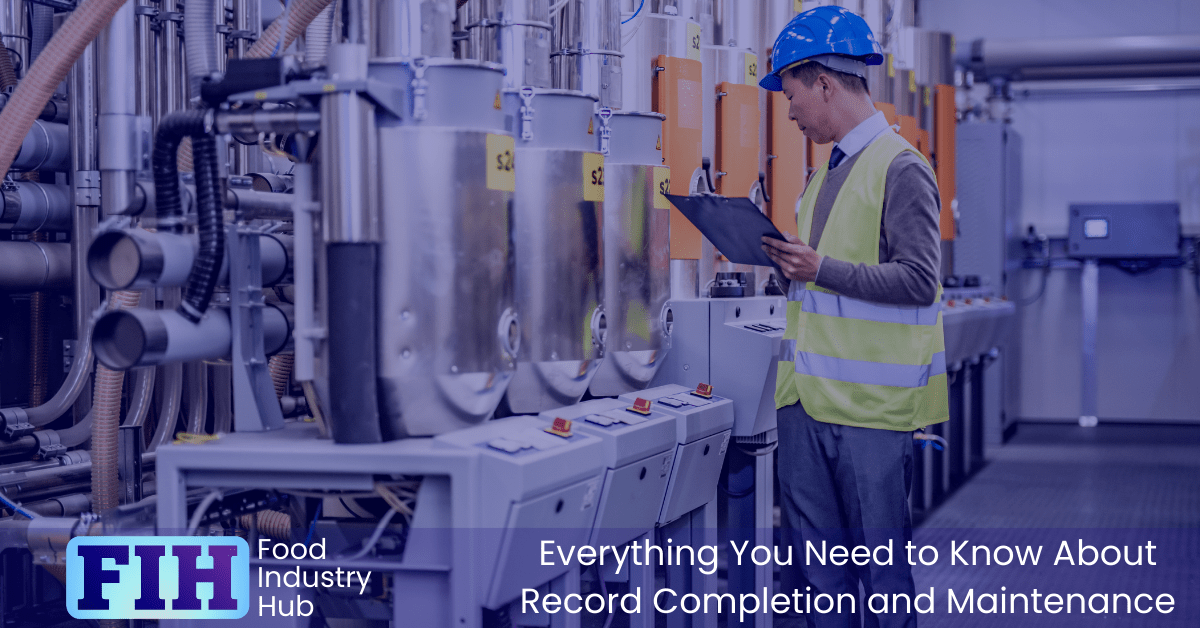
In the food industry, record completion and maintenance is an essential part of compliance and diligence. Records provide a valuable defence of evidence for companies in the event of a legal dispute.
Aside from providing evidence of diligence and process control, records allow for accurate analysis and process improvement opportunities.
In this post, we’ll explore the key considerations you should keep in mind for robust record completion and maintenance.
Record Completion and Maintenance in The Food Industry
The food industry has stringent regulations that require businesses to maintain accurate records at all times. Documentation is vital in for demonstrating that products are traceable, safe, and meet the required standards.
Food manufacturers use different record-keeping systems to ensure compliance with regulatory and voluntary assurance scheme requirements. They must document every aspect of their operations, including raw materials received, production processes, storage conditions, and product distribution.
Accurate record keeping also presents ancillary advantages such as allowing businesses to track their inventory levels and minimise waste.
The food industry is becoming increasingly complex as more compliance requirements emerge. Food companies need to invest in robust record-keeping systems that can handle large amounts of data while still being easy to use. Regular staff training on proper documentation procedures is also crucial because record-keeping systems can only be effective when they’re fully implemented.
Challenges and Benefits
One of the biggest challenges faced by companies in this industry is the sheer volume of records that need to be maintained. From production records to quality control reports, there are a multitude of documents that need to be recorded accurately and regularly updated.
Despite these challenges, there are significant benefits to maintaining accurate records. Accurate records can also help identify areas for improvement within the production process, leading to increased efficiency and cost savings.
Process control and quality standardisation might be the most obvious advantage of accurate and comprehensive record-keeping. Reviewing process control records can provide actionable insights into variation in the manufacture process – facilitating adjustments to the process and improvements to consistency of product quality. This kind of improvement wouldn’t be practically achievable in the absence of good record-keeping.
Legibility, Handwriting, and Accuracy
Records are only valuable if they can be understood and interpreted. This means that all records should be written clearly to ensure that anyone who reads them can understand their contents without difficulty.
Handwriting plays a significant role in record keeping. Illegible handwriting can lead to misinterpretation of information, which could have serious consequences. It is therefore essential for all employees responsible for writing records to be disciplined about writing clearly and legibly.
All records must be accurate as they form the basis upon which critical decisions regarding food safety are made. Food manufacturers must prioritise accuracy by ensuring that all data entered into records is correct and up to date at all times. Proper training on how to maintain accurate records should be provided regularly, along with frequent audits of the process to monitor compliance with best practices.
Providing Enough Space to Write on Process Record Sheets
Process record sheets help to ensure consistent product quality and safety by documenting the various steps involved in the production process. However, they can also become cluttered quickly, making it difficult for workers to fill them out accurately and efficiently.
It’s essential to provide enough space for each entry on the sheet. This means using larger sheets or providing multiple lines for each recorded step in the process. Including clear instructions on how to fill out each section can also help workers understand what information needs to be recorded.
Providing enough space and clear instructions on process record sheets can enable food manufacturers to improve accuracy and efficiency while reducing errors. It’s a small but important investment that can yield significant benefits in terms of product quality and consumer safety.
Cultural Differences and Record-Keeping
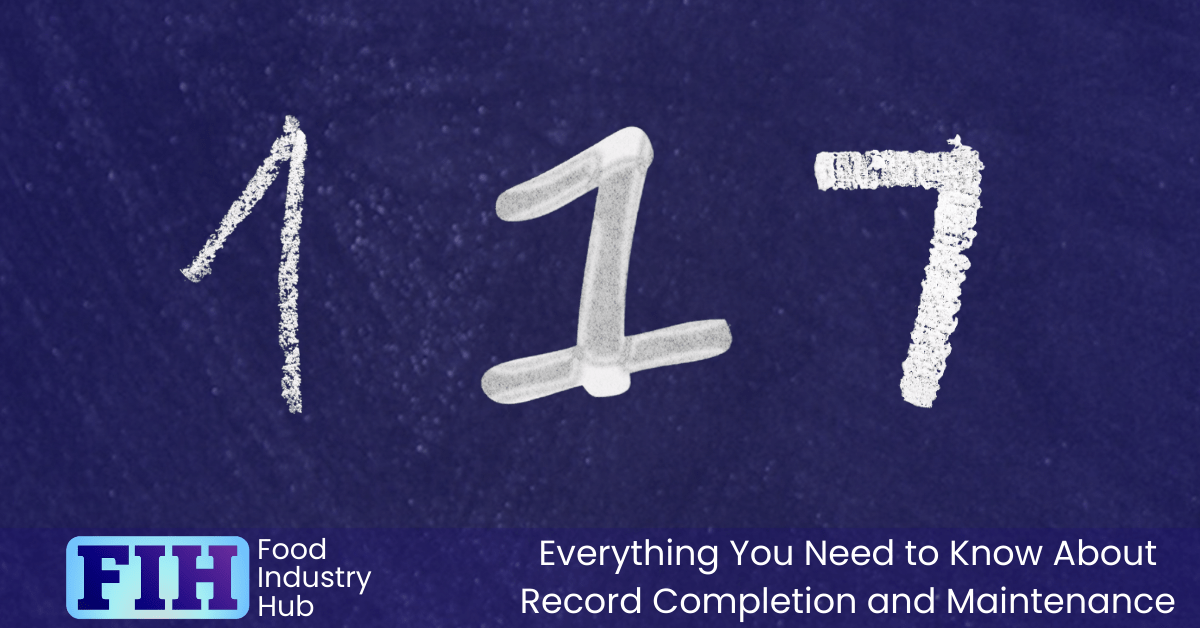
For record completion and maintenance in the food industry, even small details matter. One example is the way numbers are written down – specifically the number ‘1’. In European conventions, the number one is often written with a serif at the top and bottom of its vertical line. This style is known as “Old Style” or “Humanist” numerals and can also be seen in British conventions. Variation here can cause confusion when reading records and lead to errors in measurements or ingredient amounts. It’s important for all employees involved in record-keeping to use consistent and clear methods of writing numbers to prevent potential mistakes.
To address this issue, companies should consider implementing guidelines for how numbers are written down in their records. These guidelines should be communicated clearly to all employees involved in record-keeping, and enforced consistently throughout the company. By paying attention to even small details like how numbers are written down, companies can help ensure accuracy and consistency in their records – ultimately leading to safer and higher-quality food products for consumers.
In contrast, American conventions typically use “Modern Style” numerals where the number one does not have any serifs at all. It may seem like a minor difference but using an incorrect numeral style can cause confusion and lead to errors when interpreting records.
While this may seem insignificant at first glance, it’s important to remember that records must be accurate and easily readable for future reference. Using inconsistent or incorrect numerals can make it difficult for those reading the records to understand important information such as dates or quantities of ingredients used in production.
In addition to these differences in numeral styles, there may also be variations in how dates are written, and units of measurement are expressed, between different cultures. These cultural differences must be taken into consideration when creating and maintaining accurate records in food manufacturing businesses that operate across borders or employ people from different backgrounds. For example, some cultures may write dates in a day-month-year format while others use month-day-year or year-month-day formats. This difference can lead to confusion and errors when reading and interpreting records.
Similarly, units of measurement can vary greatly between cultures. While the metric system is widely used throughout the world, there are still countries that rely on imperial units such as pounds and ounces. Inaccurate conversions between these systems can result in incorrect measurements being recorded and ultimately impact product quality.
Recognising Written Signatures
Written signatures are used to verify that certain tasks have been completed or approved by a specific individual. This is important for accountability. Legibility can make it difficult to identify an individual by their written signature – if a signature on a record is illegible, it can lead to confusion and errors. Illegible signatures can also make it difficult to verify the identity of the person who signed the document.
To recognise a written signature, it is important to first understand what constitutes as a valid signature. A signature should be unique, identifiable and difficult to replicate. It should also be consistent across different documents signed by the same individual. One way to ensure this is by introducing a register of all employees and a representative example of their signatures.
Avoiding Repetition and Superfluous Records
Repetition and superfluous records can cause frustration – which can actually discourage people from engaging properly with record-keeping processes. It is important to identify areas where redundancies exist and streamline these processes to avoid additional work for employees. For example, having multiple forms or spreadsheets tracking the same information can lead to inconsistencies or contradictory data.
It’s important to establish which records are necessary, who is responsible for completing them, what information should be included and how frequently they should be updated. Providing training on these requirements can also help reduce errors and ensure compliance with regulatory requirements.
Another way to minimise superfluous records is by using technology such as electronic databases that allow for easy access and updating of information. Automation tools can be helpful in eliminating redundant tasks like data entry or report generation, freeing up time for more valuable activities such as quality assurance checks or process improvements. By avoiding unnecessary repetition and simplifying record maintenance processes through technology, food manufacturers can improve efficiency while maintaining high standards of safety and quality control. Regular review and analysis of existing records are necessary to ensure their relevance and usefulness.
In addition to saving time and money, eliminating unnecessary or redundant records can also improve overall record accuracy. When there are too many irrelevant files clogging up a system, it becomes harder to find the information that truly matters. By conducting regular reviews and purging unneeded documents, manufacturers can ensure that only useful data remains on file.
Alteration of Records: Best Practice and Authorisation
Record alteration can be a sensitive issue as it involves the accuracy and integrity of data. Employees should be aware of the best practices for altering records to prevent any discrepancies that might affect quality and safety standards.
It is imperative that employees keep a clear audit trail detailing what changes were made, who authorised them, and why they were necessary.
Mistakes can happen during the recording process or errors may be discovered later that require changes to be made in existing records. In such cases, it is important to have a clear and standardised way of indicating changes made to records.
A single strikethrough followed by the initials of the person making the change is a common practice for indicating alterations in records. This method ensures transparency and accountability by providing a clear indication of who made the change and when it was made. It also allows for easier tracking and auditing of record changes.
It’s important to note that while strikethroughs can be used to indicate alterations, they should not be overused as this can make records difficult to read or create confusion. Any changes made should always be fully documented with an explanation for why they were necessary, as well as any corrective actions taken if applicable. By following these guidelines, food manufacturers can maintain accurate and reliable records that ensure product safety and quality control.
Analysis of Process Records for Standardisation and Optimisation Across Future Batches
By analysing past process records, manufacturers can identify areas for standardisation and optimisation. For example, if a particular batch consistently produces a lower yield than expected, manufacturers can review their production processes to identify any inefficiencies or errors that may be contributing to this issue. By addressing these issues and implementing standardised processes across all future batches, manufacturers can improve overall product quality and consistency.
Regularly reviewing and analysing process records can enable manufacturers to identify opportunities for cost savings through more efficient use of resources such as raw materials or energy consumption. Analysis of process records is a useful tool for food manufacturing companies looking to maintain consistent quality standards while optimising operations for maximum efficiency and profitability.
Storing Records Securely
One of the most important things to consider when maintaining records in the food manufacturing industry is security. Records containing sensitive information, such as employee data, financial information, and proprietary recipes should be stored securely to prevent unauthorised access or theft. One way to ensure this is by implementing a password-protected digital storage system with limited access for authorised personnel only. Alternatively, hard copies can be archived in a physically secured area.
Proper record keeping and secure storage practices are essential for compliance with regulations and maintaining industry standards in food manufacturing. By taking steps to protect sensitive information, manufacturers can better protect their business and customers from potential breaches or data loss.
Safeguarding Against Loss of Data
Record completion and maintenance is a crucial aspect of ensuring quality control and compliance – but what happens when these records are lost or damaged? Safeguarding against the loss of data is essential to avoid costly mistakes and potential legal issues.
One way to protect your data is through regular backups. This can be done through cloud-based storage or physical backups kept in a secure location offsite. In the event of natural disasters or other emergencies, having backup copies of critical records can help prevent loss of information. It’s also important to regularly test your backup systems to ensure they are working properly.
Another important safeguard against data loss is implementing strict access controls. Limiting who can access sensitive information reduces the risk of accidental deletion or malicious tampering. Additionally, educating employees on proper data handling procedures and providing training on disaster recovery can help prevent incidents that could result in data loss. By taking these steps, you can help protect your business from the potentially devastating consequences of lost or damaged records in the food manufacturing industry.
Retention Periods for Records
The retention period refers to the length of time that specific records related to food production should be kept before they can be destroyed or disposed of. In most cases, this period is determined by the shelf life of the product plus an additional 12 months. The reasoning behind this approach is that any potential quality issues with the product are likely to surface during this timeframe. This allows manufacturers to investigate any problems thoroughly and take any corrective actions necessary – ensuring that their products remain safe for consumption.
Retention periods for records also play a crucial role in ensuring regulatory compliance and customer confidence. It is essential to take legal and customer requirements into account while determining retention periods for records. Retention periods vary depending on the type of record and the applicable regulations.
Records pertaining to product quality, safety, and traceability must be maintained for an extended period as per regulatory requirements. Similarly, customer complaints and feedback should also be retained for a specific duration to ensure that any trends are identified.
The length of time records are kept should consider both compliance demands and customer needs in order to effectively manage risk in this highly regulated industry. It’s important for food manufacturers to adhere strictly to these retention periods as failure to do so can result in significant consequences such as fines or loss of certification.
Advantages of Digital Systems
Digital systems are revolutionising record completion and maintenance in the food manufacturing industry. One of the main advantages is that they eliminate the need for manual record keeping, which can be time-consuming and prone to errors. Digital systems also enable real-time data tracking, allowing manufacturers to monitor processes and identify potential issues before they become major problems.
A significant advantage of digital systems in record completion and maintenance in the food industry is their efficiency. Digital systems can process a large volume of data within a short time, reducing the need for manual labour that often takes longer to complete. This means faster processing times and increased productivity, which ultimately leads to cost savings.
Another advantage of digital systems is accuracy. Digital records are less prone to errors since they reduce the human error factor that comes with manual record keeping. This ensures that all critical information is captured accurately, improving traceability and compliance with regulations.
Finally, digital systems provide better accessibility and security of records. With cloud-based storage options available, authorised personnel can access records from anywhere at any time using mobile devices or computers connected to the internet. Digital records are better protected against physical damage or loss as they can be backed up on multiple servers or hard drives for safekeeping.
Digital systems offer a more efficient and effective way for food manufacturers to manage their records. They provide greater accuracy, faster access to information, and enhanced compliance with regulations. As such, they are an invaluable tool for maintaining high standards in food safety and quality control.
Potential Costs Associated with Poor Record-Keeping or Loss of Data
Poor record-keeping or loss of data can lead to significant costs for food manufacturers. Firstly, it can result in expensive regulatory fines and legal fees. Violations can result in fines ranging from $500-$50,000 in the USA (with comparable punitive fines applicable in other markets) per violation, depending on the severity of the offense.
Secondly, poor record-keeping or data loss can lead to product recalls that are time-consuming and costly. Inaccurate or incomplete records make it challenging for manufacturers to trace products back to their source when a safety issue arises. The inability to identify specific batches of products or raw materials that may be contaminated could lead to massive recalls costing hundreds of thousands of dollars.
Poor record-keeping practices may negatively impact brand reputation due to decreased customer trust. In today’s global economy where social media plays a critical role in shaping public opinion, consumers are more likely than ever before to demand transparency in how food is produced and sourced. Any news about deficiencies in manufacturing processes leading up to negative health outcomes could seriously damage a company’s reputation for years after an incident occurs.
In Summary
Record completion and maintenance is essential for supporting food safety. Records provide evidence of compliance with regulatory requirements and traceability throughout the production process. They must be accurate, complete, and accessible to relevant personnel at all times.
The types of records required vary depending on the specific regulations applicable to each facility. However, some common examples include sanitation logs, temperature monitoring charts, ingredient and supplier information, and product testing results.
Proper training of staff is crucial to ensure that they understand the importance of record-keeping and can accurately maintain these documents. Regular audits should also be conducted to identify areas for improvement and ensure ongoing compliance with regulatory standards. In short, comprehensive record-keeping practices are critical for protecting consumer health and maintaining overall integrity within the food manufacturing industry.