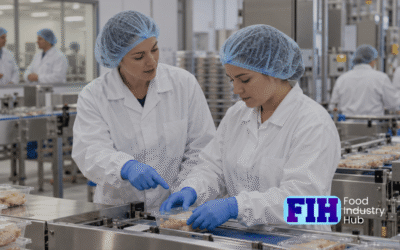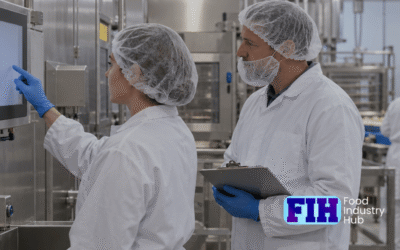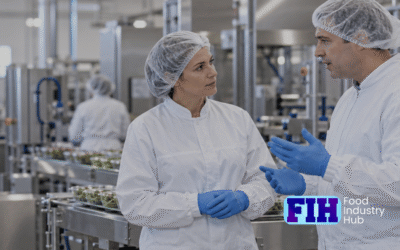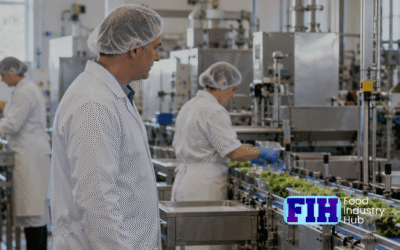
Food safety and quality culture is among the most important objectives for food manufacturing businesses to focus on.
To put the significance of culture into perspective, you can think of it as an invisible management system that sits alongside your documented processes. In effect, the documented management system provides structure and instructions for what top-down leadership has determined should happen, and culture determines whether or not the documented food safety and quality manual is implemented.
Beyond that, a strong culture of food safety and quality can mitigate for deficiencies in the documented management systems. If a particular scenario isn’t directly accommodated for by the documented management system, then the values instilled into people through the food safety and quality culture will still be protective of food safety and quality outcomes.
We’ve made available a more comprehensive exploration of food safety and quality culture as a collection of featured content. If you’re interested in this subject, it would be well-worth checking out our complete guide to food safety and quality culture. In this post, we’ll look at some of the core principals of the topic and discuss some of the considerations you can bring into play for your food business.
Defining Food Safety and Quality Culture
‘Culture’ can be thought of as the shared values, beliefs, motivations, and social norms that are expressed as behaviours and tendencies across a group. ‘Food safety and quality culture’ specifically addresses these factors as they apply to the prioritisation and importance of product safety and quality in a food manufacturing business. The existence of a food safety and quality culture in an organisation is not only important for the success of the business, but also for any stakeholders associated with it. Stakeholders are those individuals or groups that have a vested interest in the organisation; they include employees, customers, suppliers and regulators.
‘Culture’ can be a challenging topic to get to grips with because it’s so intangible conceptually. Being physically immaterial, you can’t easily look at it or comprehensively determine its component parts. To learn more about food safety and quality culture, you may want to check out our blog post exploring the topic of culture, the interplay of values, attitudes, and behaviours, and the elements of a culture of food safety and quality.
Benefits of Culture Development
One of the key benefits of culture development in the food manufacturing industry is increased employee engagement. When employees feel that they are part of a positive and inclusive workplace culture, they are more likely to be motivated and committed to their work. This can lead to higher productivity, better quality control, and improved customer satisfaction.
Another benefit of investing in culture development is improved food safety outcomes. By making food safety a core value of the company culture, employees are more likely to prioritise safe practices and take ownership over ensuring that products meet regulatory standards. This can help reduce the risk of recalls or other quality issues that could damage brand reputation.
Finally, building a strong culture around food safety and quality can help companies attract and retain top talent. Employees want to work for companies that share their values and prioritise ethical business practices. By developing a positive workplace culture focused on these values, businesses can position themselves as an employer of choice within the industry.
Steps to Establishing a Culture of Food Safety and Quality
With food safety and quality culture being rooted in values and ideals, establishing a culture of food safety and quality depends on a very different approach than systems more traditionally associated with operations and compliance.
Before you can make real progress with the development of your food safety and quality culture, there are certain conditions that need to be met. There needs to be an alignment of values throughout your business, there needs to be an appropriate level of resource, and managerial approaches need to be examined to eliminate any blame culture that might exist. We’ve written more about the circumstances needed to promote a culture of food safety and quality – and very much recommend that you check out that post to explore these topics further.
If you find that your business is not ideally positioned to meet the conditions required to facilitate a culture of food safety and quality, you should think about what led to that before trying to implement improvement initiatives. Whatever influences resulted in the current state will continue to influence your future state unless you actively address them. To get a handle on the sort of things that might have influenced your starting position, check out this post about the organic formation of your food safety and quality culture. Remember, every food manufacturer has a food safety and quality culture (even if it isn’t intentionally developed) – so it’s well worth thinking about what led to the existing culture before you try to improve it.
If all of this seems like an indirect approach and you’d really like to get straight into improvement strategies, you can check out this list of 10 ways to improve your food safety and quality culture. We’ll look at recruitment, accountability, feedback mechanisms, training, blame, values, systems/processes, commitment, and personal investment. These are all integral to promoting a culture of food safety and quality.
Applying Objective Metrics to Food Safety and Quality Culture
If you start off by listing out the sort of characteristics that would be exhibited by a mature food safety and quality culture, the process of applying metrics can as simple as a plan, do, check, act approach. Simply determine the sort of actions and behaviours that would be expected from an ideal culture, and compare those actions and behaviours with those seen in your food manufacturing business.
The metrics you apply should be in alignment with any improvement initiatives you undertake, so for a really solid structure for both culture improvement and measurement, check out this post on the intentional development of a culture of food safety and quality – which incorporates measurement and performance indicators.
As an aside, many people will look to compliance with assurance schemes as an indicator for culture maturity. It is important to note that compliance/non-compliance with procedures or pass/fail product testing results do not directly indicate culture maturity – but the behaviours that led to those performance outcomes can be used to infer the values, beliefs, motivations, and social norms at play.
Applying objective metrics is critical to developing and maintaining a robust food safety and quality culture within food manufacturing businesses. By regularly measuring key performance indicators (KPIs), companies can identify potential weaknesses in their internal culture and take the appropriate corrective actions.
Strategies for Manipulating Culture and Shaping Improvement
One strategy for manipulating culture and shaping improvement in the food manufacturing business is by focusing on continuous training and education. Employees must be educated about the importance of food safety and quality culture, including the consequences of not adhering to these standards. This can be done through workshops, regular meetings, or online courses that are tailored to meet the specific needs of each employee.
Another strategy is setting clear expectations for all employees. Management should outline what is expected from employees when it comes to adhering to food safety practices and maintaining high-quality standards. This can include having a code of ethics, guidelines for behaviour in the workplace, rewards for positive performance, and consequences for poor performance.
Finally, creating a strong feedback system can help shape improvement within an organisation’s culture. All feedback received from customers or employees should be taken seriously and used as an opportunity to identify areas where improvements need to be made. The management team should also provide regular feedback on employee performance in relation to food safety and quality culture goals set by the company. By implementing these strategies successfully, businesses will see significant improvements in their overall operations while ensuring they maintain a positive public image with their customers through prioritising their health and well-being through safe food practices.
Assessing Development and Measuring Progress
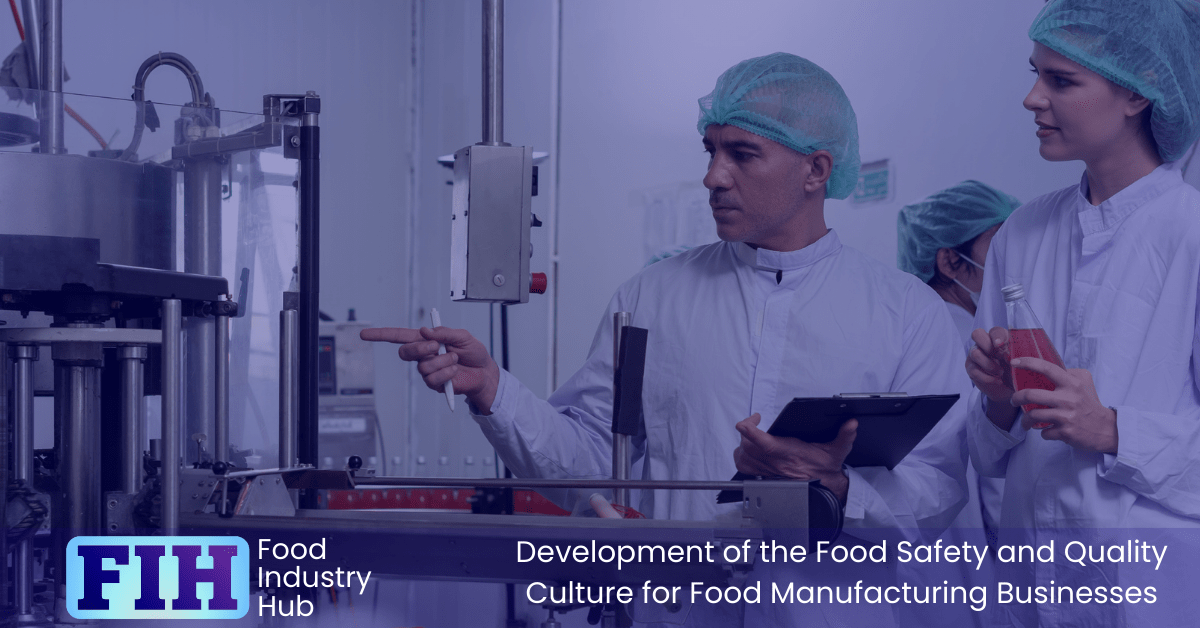
Assessing development and measuring progress are fundamental aspects of building a food safety and quality culture. To assess the development of this culture, it is necessary to understand the business’s current state regarding food safety and quality standards. This process involves conducting comprehensive audits that evaluate the company’s policies, procedures, training programs, and employee compliance levels. Additionally, assessing development requires identifying gaps where improvements are needed.
Measuring progress in building a food safety and quality culture involves tracking key performance indicators (KPIs). KPIs may include metrics such as employee training completion rates, internal audit scores, customer complaints related to product quality or safety issues, and regulatory compliance records. By monitoring these KPIs regularly, businesses can identify trends and make informed decisions about where to focus improvement efforts.
Values, beliefs, and motivations shape behaviours – which in turn lead to compliance/non-compliance and product conformity/non-conformity.
Assessing development and measuring progress are essential steps towards building a robust food safety and quality culture in any food manufacturing business. Regular assessments allow companies to identify areas for improvement while tracking KPIs enables them to measure their progress towards achieving their goals continually. Ultimately these efforts help ensure that all products produced by the business meet the highest standards of quality and safety possible.
Establishing Desirable and Undesirable Characteristics of the Culture Within a Food Manufacturing Business
Establishing the desirable and undesirable characteristics of the culture within a food manufacturing business is crucial. A positive culture can help reduce the risk of product contamination, increase employee engagement, and improve overall business performance. Desirable characteristics may include an emphasis on proper training, open communication channels between employees and management, proactive risk management techniques, and continuous improvement efforts.
On the other hand, identifying undesirable characteristics such as a lack of accountability or transparency can help businesses address potential weaknesses in their food safety and quality systems. For instance, if there is a tendency to prioritise production speed over safety measures or if employees are not encouraged to report issues or errors openly, these factors can negatively impact the overall culture within the organisation.
Establishing desirable and undesirable traits within a food manufacturing business’s culture provides guidance for developing policies that encourage safe practices. By setting clear expectations for employees and promoting an environment that values quality products above all else will enable companies to ensure their products meet regulatory requirements while also building trust with customers.
Assessing Development and Measuring Progress
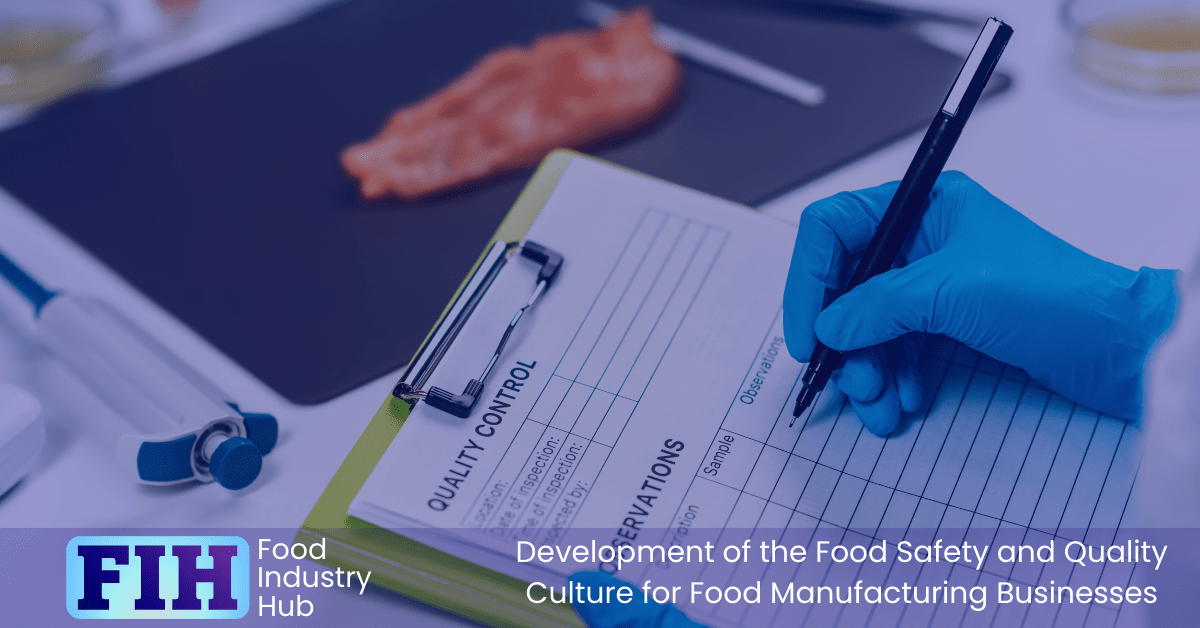
Assessing development and measuring progress are fundamental aspects of building a food safety and quality culture. To assess the development of this culture, it is necessary to understand the business’s current state regarding food safety and quality standards. This process involves conducting comprehensive audits that evaluate the company’s policies, procedures, training programs, and employee compliance levels. Additionally, assessing development requires identifying gaps where improvements are needed.
Measuring progress in building a food safety and quality culture involves tracking key performance indicators (KPIs). KPIs may include metrics such as employee training completion rates, internal audit scores, customer complaints related to product quality or safety issues, and regulatory compliance records. By monitoring these KPIs regularly, businesses can identify trends and make informed decisions about where to focus improvement efforts.
Values, beliefs, and motivations shape behaviours – which in turn lead to compliance/non-compliance and product conformity/non-conformity.
Assessing development and measuring progress are essential steps towards building a robust food safety and quality culture in any food manufacturing business. Regular assessments allow companies to identify areas for improvement while tracking KPIs enables them to measure their progress towards achieving their goals continually. Ultimately these efforts help ensure that all products produced by the business meet the highest standards of quality and safety possible.
Establishing Desirable and Undesirable Characteristics of the Culture Within a Food Manufacturing Business
Establishing the desirable and undesirable characteristics of the culture within a food manufacturing business is crucial. A positive culture can help reduce the risk of product contamination, increase employee engagement, and improve overall business performance. Desirable characteristics may include an emphasis on proper training, open communication channels between employees and management, proactive risk management techniques, and continuous improvement efforts.
On the other hand, identifying undesirable characteristics such as a lack of accountability or transparency can help businesses address potential weaknesses in their food safety and quality systems. For instance, if there is a tendency to prioritise production speed over safety measures or if employees are not encouraged to report issues or errors openly, these factors can negatively impact the overall culture within the organisation.
Establishing desirable and undesirable traits within a food manufacturing business’s culture provides guidance for developing policies that encourage safe practices. By setting clear expectations for employees and promoting an environment that values quality products above all else will enable companies to ensure their products meet regulatory requirements while also building trust with customers.
Encouraging the Right Behaviours
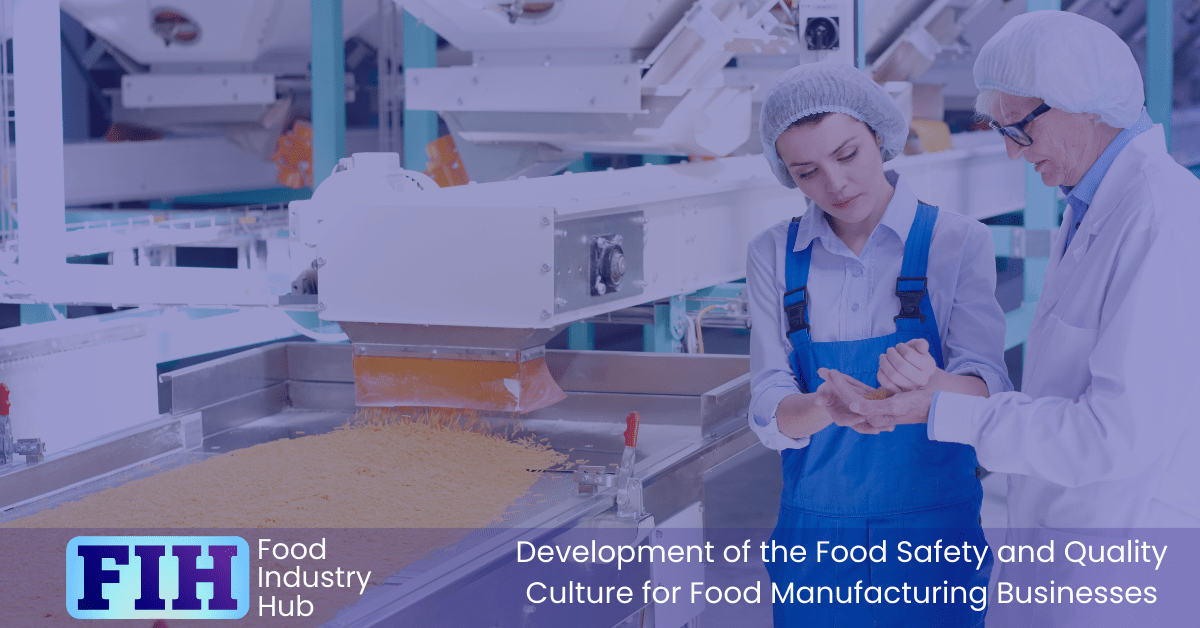
Encouraging the right behaviours is fundamental to developing the food safety and quality culture. The right behaviours refer to actions that ensure compliance with regulatory requirements, adherence to standard operating procedures, and continuous improvement of processes. These behaviours should be ingrained in the company’s culture to promote a safe and healthy work environment.
One way of encouraging the right behaviour is through training programs that provide employees with knowledge on food safety regulations, good manufacturing practices, hygiene practices, and personal protective equipment (PPE) usage. Regular refresher courses can also help reinforce these behaviours among employees.
Another approach is to develop a reward system that recognises and celebrates employees who exhibit the desired behaviour. This can be done by granting incentives such as promotions or bonuses for outstanding performance in maintaining food safety standards.
Developing a strong food safety and quality culture requires encouragement of desirable behaviours among employees. Proper training programs and incentive systems play a key role in achieving this objective. By promoting an environment where employees exhibit positive attitudes towards complying with regulations and best practices, businesses can ensure safe products for their customers while maintaining efficiency in their operations.
Reinforcing Food Safety and Quality Values and Beliefs
Developing a strong food safety and quality culture entails instilling values and beliefs in all employees to ensure that they are committed to delivering high-quality products consistently. By reinforcing these values, employees will understand the importance of following set procedures, protocols, and standards to prevent contamination or spoilage of food products.
Communication is key when it comes to reinforcing food safety and quality values. Management should communicate clearly with their teams about expectations around compliance with regulations or changes in protocols. Regular meetings where team members can ask questions or voice concerns can also help build trust between management and staff while ensuring everyone remains aligned with the company’s core values.
The Role of Training
It is essential for all employees to understand their responsibilities when it comes to maintaining safety and quality standards, as well as being aware of the potential consequences if these standards are not met. By providing regular training sessions, employees can stay up to date with new regulations, policies and procedures that are relevant to their roles.
Training also helps to build confidence among staff members, which ultimately leads to better performance. When employees feel confident in their abilities, they are more likely to take ownership of their work and make decisions that benefit both themselves and the company they work for. Moreover, training can help identify areas where employees may need additional support or guidance, allowing management to provide targeted assistance before any issues arise.
Investing in employee training is an essential component of building a strong food safety and quality culture within the food manufacturing industry. By providing regular training sessions that cover key topics such as hygiene practices, allergen control measures and HACCP principles (Hazard Analysis Critical Control Point), businesses can ensure that they remain compliant with industry regulations while delivering high-quality products consistently.
A Never-Ending Process
A food manufacturing business always has to prioritise the quality and safety of its products. The development of a food safety and quality culture is an ongoing process that requires constant attention and improvement. This process involves several steps, including employee training, monitoring processes, identifying potential hazards, implementing corrective actions, and continuous improvement.
Employee training is a critical component of developing a food safety and quality culture. Employees must be trained on company policies regarding food safety protocols, proper handling techniques for raw materials and finished products, sanitation procedures, hazard identification practices, and emergency response plans. Regular training sessions should be conducted to ensure that employees stay up to date on the latest industry standards.
Monitoring processes are essential in ensuring that all quality control measures are being followed correctly. Regular inspections should be carried out to identify any potential hazards or issues that could affect product safety or quality. Corrective actions should then be taken immediately to address these concerns before they become bigger problems.