Introduction
In food manufacturing, finding ways to improve efficiency, maintain quality, and reduce waste is critical to staying competitive. This is where Kaizen, a Japanese philosophy of continuous improvement, offers a compelling solution. By focusing on small, incremental changes rather than sweeping overhauls, Kaizen enables food manufacturers to tackle challenges systematically while fostering a culture of collaboration and innovation. Whether you’re aiming to streamline production lines, enhance food safety standards, or reduce operational costs, Kaizen provides a practical and proven framework for achieving sustainable improvements.
The beauty of Kaizen lies in its emphasis on people-driven solutions. By involving employees at every level and encouraging them to identify inefficiencies and suggest improvements, businesses can unlock valuable insights that might otherwise go unnoticed. Techniques like the 5S methodology, Gemba Walks, and Poka-Yoke are integral to Kaizen and particularly well-suited to the complexities of food manufacturing. These tools empower organisations to not only optimise processes but also build stronger teams and foster a shared commitment to excellence. For food manufacturers seeking to navigate today’s challenges and seize opportunities for growth, implementing Kaizen offers a path to long-term success.
Table of Contents
Key Takeaways
- Kaizen focuses on incremental improvements that deliver long-term benefits, making it an ideal approach for tackling challenges in food manufacturing systematically.
- Employee involvement is essential for successful implementation, as it encourages collaboration, builds trust, and leverages frontline insights to identify and solve inefficiencies.
- Practical methodologies like 5S, Gemba Walks, and Poka-Yoke help streamline processes, reduce waste, and enhance food safety and quality standards in daily operations.
- Overcoming challenges such as resistance to change and sustaining momentum requires strong leadership, clear communication, and consistent reinforcement of Kaizen principles.
- Kaizen fosters a culture of continuous improvement, empowering food manufacturers to enhance efficiency, reduce costs, and stay competitive in a demanding industry.
Introduction to Kaizen
Kaizen is the Japanese strategy for continuous improvement. It’s all about making small, steady changes that lead to significant progress over time. This practice is not just about efficiency, it’s also about fostering a collaborative environment where every team member’s input is valued. But there’s a lot more to Kaizen than just this. In this post, we’ll explore how this approach can revolutionise the way you work, transforming your daily operations and elevating your overall performance. You won’t believe the difference it can make.
Origins of Kaizen
The concept of Kaizen originated in Japan and is deeply rooted in the country’s post-World War II industrial rebuilding efforts. Derived from two Japanese words, kai (change) and zen (good), Kaizen embodies the philosophy of continuous improvement. Its initial development was significantly influenced by American management practices introduced to Japan during the late 1940s and early 1950s, particularly the work of W. Edwards Deming and Joseph Juran, who advocated for quality control and statistical process management. These ideas were embraced by Japanese industries and combined with cultural values of teamwork and discipline to create a uniquely Japanese approach to improvement that could be applied universally, including in food manufacturing environments.
Kaizen was first formalised by Toyota in the 1950s as part of the Toyota Production System (TPS), which sought to eliminate waste and enhance productivity through small, incremental changes. Unlike large-scale overhauls, Kaizen focuses on empowering employees at all levels to contribute ideas for improvement, fostering a culture of shared responsibility for efficiency and quality. This was revolutionary in its approach, as it recognised the value of frontline workers’ insights and promoted cross-functional collaboration. In food manufacturing, this can translate to refining production processes, reducing waste in raw material handling, and improving food safety protocols through collective efforts.
Over time, Kaizen has evolved into a global business philosophy, adopted by industries worldwide, including food manufacturing, where its principles align seamlessly with modern quality management systems. The method’s emphasis on continuous improvement, teamwork, and waste reduction makes it particularly well-suited to addressing the unique challenges of food production, such as maintaining compliance with regulatory standards, minimising risks of contamination, and optimising supply chain efficiency. By embracing the origins and principles of Kaizen, food manufacturers can foster a culture of innovation and operational excellence that supports long-term success.
Core Principles of Kaizen
The core principles of Kaizen form the foundation of a philosophy that drives continuous improvement across all levels of an organisation. At its heart is the belief that small, incremental changes, when implemented consistently, can lead to significant improvements over time. For food manufacturing professionals, this means examining processes—from raw material sourcing to packaging and distribution—and identifying opportunities to enhance quality, efficiency, and safety. This principle is underpinned by a proactive mindset, encouraging teams to anticipate challenges and address inefficiencies before they escalate into major issues.
A second key principle of Kaizen is employee involvement. Unlike traditional top-down management approaches, Kaizen emphasises the importance of engaging employees at all levels to contribute ideas and insights for improvement. In food manufacturing, the people closest to the processes—line operators, quality inspectors, and maintenance teams—often have the best understanding of where bottlenecks or inefficiencies occur. By fostering open communication and valuing their input, companies can develop practical, innovative solutions while building a sense of ownership and pride among staff.
Another fundamental principle is waste reduction, known in Japanese as muda. In food manufacturing, waste can take many forms: overproduction, inefficient use of raw materials, delays, and even excess movement of staff or equipment. Kaizen promotes a systematic approach to identifying and eliminating waste while maintaining product quality and compliance with strict regulatory standards. By continuously refining processes through small, targeted changes, food manufacturers can achieve higher productivity, lower costs, and enhanced sustainability—all of which contribute to a more resilient and competitive business.
Incremental Changes
Incremental changes are at the heart of the Kaizen philosophy, offering a powerful yet straightforward approach to improvement in food manufacturing. Rather than pursuing sweeping transformations, incremental changes focus on making small, manageable adjustments to processes, equipment, or workflows. These changes, though minor in isolation, compound over time to deliver significant improvements. For food manufacturers, this could mean tweaking a production line to reduce downtime, optimising ingredient usage to minimise waste, or streamlining sanitation procedures to enhance food safety. The emphasis is on practical, achievable steps that build a culture of continual progress.
One of the key advantages of incremental changes is their ability to be implemented with minimal disruption. In a food manufacturing environment, where efficiency and compliance are critical, large-scale changes can often feel risky or resource-intensive. Incremental improvements, however, allow you to refine processes without halting production or compromising quality. For example, adjusting equipment settings to improve yield or gradually phasing in a new training programme for staff ensures that improvements are sustainable and align with operational goals. This approach also makes it easier to monitor outcomes and refine further changes based on real-time data.
Beyond operational benefits, incremental changes foster a mindset of constant vigilance and proactive problem-solving. In food manufacturing, where even minor inefficiencies can impact profitability or compliance, encouraging teams to identify and act on small improvements creates a culture of accountability and innovation. Each change, no matter how small, reinforces the idea that every employee contributes to the company’s success. Over time, this approach not only enhances processes but also strengthens team engagement and organisational resilience, setting the stage for long-term growth and competitiveness.
Employee Involvement
Employee involvement is a cornerstone of the Kaizen philosophy, emphasising the value of engaging every team member in the pursuit of continuous improvement. In food manufacturing, where operational complexity and stringent compliance standards are the norm, involving employees at all levels brings a wealth of practical knowledge and experience to the table. Frontline workers, such as line operators and quality control staff, are often the first to notice inefficiencies or potential risks. By fostering an environment where their insights are encouraged and valued, companies can uncover innovative solutions to enhance processes, reduce waste, and improve food safety.
This principle goes beyond merely seeking input—it’s about creating a culture of collaboration and shared responsibility. Effective employee involvement requires open communication channels, regular feedback mechanisms, and opportunities for staff to actively participate in problem-solving and decision-making. For example, introducing suggestion systems, holding team-based brainstorming sessions, or implementing daily improvement meetings can empower employees to share their ideas. In a food manufacturing context, these practices can lead to practical improvements, such as optimised cleaning schedules, better equipment maintenance routines, or innovative ways to reduce raw material loss.
The benefits of employee involvement extend beyond operational improvements; it also boosts morale and engagement. When employees feel heard and see their contributions driving positive change, they are more likely to take ownership of their roles and be invested in the organisation’s success. For food manufacturers, this translates into a more motivated workforce, reduced turnover, and a stronger commitment to maintaining high standards of quality and compliance. By embedding employee involvement into everyday operations, companies can harness the collective expertise of their teams to drive continuous improvement and build a resilient, innovative organisation.
Elimination of Waste
The elimination of waste is a core principle of Kaizen and a critical focus for food manufacturing professionals striving to improve efficiency and sustainability. In this context, waste extends beyond physical materials to include inefficiencies in time, labour, and processes. Known as muda in Japanese, waste can manifest in overproduction, excess inventory, waiting times, unnecessary movement, or defects. Identifying and addressing these areas not only enhances productivity but also reduces costs and environmental impact—a win-win for businesses and their customers.
For food manufacturers, eliminating waste often starts with a thorough analysis of production processes to pinpoint inefficiencies. For example, reviewing ingredient usage can uncover opportunities to reduce over-portioning or spoilage, while optimising workflow layouts may minimise unnecessary movement of staff or materials. Even small changes, like recalibrating machinery to improve yield or standardising processes to prevent rework, can significantly reduce waste. Additionally, embracing technology, such as automation and real-time data monitoring, can provide valuable insights to identify hidden inefficiencies.
The benefits of waste elimination extend far beyond cost savings. Reducing waste supports sustainability goals, which are increasingly important to consumers and regulators alike. By minimising raw material loss, improving energy efficiency, and streamlining packaging, food manufacturers can align their operations with industry best practices and environmental standards. Moreover, eliminating waste creates a smoother, more predictable workflow, enabling companies to maintain consistent quality and meet delivery timelines. Through a proactive approach to waste elimination, food manufacturers can enhance their competitiveness while building a reputation for responsible, forward-thinking operations.
Standardisation
Standardisation is a fundamental principle of effective operations, particularly in food manufacturing, where consistency, quality, and compliance are paramount. By establishing uniform processes and procedures, standardisation ensures that every task is performed in the same way, every time. This not only simplifies training and reduces variability but also serves as a critical foundation for achieving regulatory compliance. In food production, having well-documented and standardised practices is essential for maintaining quality and safety.
For food manufacturing professionals, standardisation encompasses every aspect of operations, from ingredient sourcing and production processes to cleaning protocols and packaging. When processes are standardised, they become easier to monitor and refine, enabling teams to identify inefficiencies or risks quickly. For example, implementing standard operating procedures (SOPs) for line cleaning ensures that all employees follow the same steps, minimising the risk of cross-contamination. Similarly, standardising production parameters, such as temperature and mixing times, helps to maintain product consistency while reducing waste caused by errors or rework.
The benefits of standardisation extend beyond operational consistency—it also lays the groundwork for continuous improvement. Once processes are standardised, they can be measured, analysed, and optimised through approaches like Kaizen. This creates a feedback loop where standardisation supports improvement, and improvements lead to updated standards. Additionally, standardisation fosters a culture of accountability, as every team member understands their role in maintaining high standards. For food manufacturers, this approach not only enhances operational efficiency but also builds customer trust by consistently delivering safe, high-quality products.
Continuous Improvement
Continuous improvement is a cornerstone of modern food manufacturing, driving organisations to achieve higher standards of efficiency, quality, and safety. This principle, central to the Kaizen philosophy, emphasises that no process is ever perfect but can always be enhanced. In food production, this mindset is particularly valuable, given the constant evolution of consumer demands, technological advancements, and regulatory requirements. By embedding continuous improvement into daily operations, food manufacturers can adapt to changes while remaining competitive and compliant.
Continuous improvement involves regularly evaluating processes to identify opportunities for enhancement. This could mean reducing production line downtime, improving yield, or streamlining supply chain logistics. Small, incremental changes—such as optimising ingredient storage to reduce spoilage or adjusting production schedules to balance workload—can have a significant cumulative impact over time. Importantly, continuous improvement isn’t limited to large-scale projects; it thrives on everyday contributions from employees, who often have the best insights into potential improvements in their work areas.
Beyond operational gains, continuous improvement lends itself to a culture of innovation and accountability. When employees at all levels are encouraged to identify and implement better ways of working, they become active contributors to the organisation’s success. This collective approach not only drives tangible results but also boosts morale and engagement. For food manufacturing professionals, adopting continuous improvement as a guiding principle ensures that processes remain efficient, products maintain consistent quality, and the business is prepared to meet future challenges with confidence.
Benefits of Kaizen for Food Manufacturers
The benefits of Kaizen for food manufacturers are transformative, offering a pathway to enhanced efficiency, quality, and adaptability. At its core, Kaizen’s focus on continuous improvement ensures that even small, incremental changes lead to significant long-term results. For food manufacturers, this can mean optimising production workflows to reduce downtime, improving raw material utilisation to minimise waste, or refining quality control processes to meet ever-stringent regulatory standards. These ongoing enhancements not only boost productivity but also support cost-effective operations, helping businesses maintain a competitive edge in a challenging market.
One of the standout advantages of Kaizen is its emphasis on engaging employees at all levels in the improvement process. By valuing the insights and expertise of frontline workers, food manufacturers can tap into a wealth of practical ideas for solving day-to-day challenges. This collaborative approach fosters a culture of teamwork and innovation, where employees feel empowered to contribute to the organisation’s success. In practice, this might translate to improved cleaning procedures, better equipment maintenance, or enhanced safety measures—all of which are critical in the high-stakes world of food production.
Kaizen also supports sustainability goals, which are increasingly important in the food industry. By reducing waste, optimising energy use, and streamlining processes, food manufacturers can lower their environmental impact while improving profitability. The Kaizen philosophy of ongoing improvement also aligns perfectly with the need to adapt to changing consumer demands, regulatory updates, and market trends. For food manufacturers, adopting Kaizen is not just about operational efficiency—it’s about building a resilient, future-ready organisation that consistently delivers high-quality products in a sustainable and cost-effective manner.
Improved Efficiency
Improved efficiency is one of the most tangible benefits of adopting Kaizen in food manufacturing. By focusing on small, incremental changes, Kaizen enables businesses to identify and eliminate inefficiencies in every part of their operation. Whether it’s reducing equipment downtime, streamlining workflows, or minimising ingredient waste, these continuous improvements create a more productive and cost-effective manufacturing environment. For example, optimising production line setups can reduce transition times between batches, while fine-tuning equipment settings can maximise yield without compromising quality. These improvements not only save time and resources but also ensure that production schedules remain on track.
Kaizen’s approach to efficiency extends beyond processes to include people and equipment. Engaging employees in identifying bottlenecks or repetitive tasks often leads to practical, actionable solutions that might otherwise be overlooked. Similarly, regular maintenance and standardised procedures keep machinery running smoothly, preventing costly breakdowns or disruptions. In food manufacturing, where precision and speed are essential, improved efficiency ensures that products are delivered on time, meet regulatory standards, and align with customer expectations. Over time, the cumulative impact of these incremental changes drives significant gains, helping food manufacturers stay competitive and responsive.
Enhanced Quality
Enhanced quality is a cornerstone of Kaizen’s impact on food manufacturing, ensuring that products consistently meet the highest standards while addressing ever-evolving regulatory and customer expectations. By focusing on continuous improvement, Kaizen drives incremental changes that prevent defects, improve consistency, and optimise processes. For example, refining ingredient measurements, standardising procedures, and conducting regular quality checks can significantly reduce variability in product output. These efforts not only ensure compliance with stringent food safety standards but also build consumer trust through the reliable delivery of high-quality products.
Kaizen also fosters a proactive approach to quality management by encouraging employees to identify potential issues before they escalate. Engaging frontline staff in quality improvement initiatives often leads to innovative solutions, such as enhancing cleaning protocols, fine-tuning packaging processes, or improving shelf-life testing methods. In food manufacturing, where even minor deviations can have significant consequences, this collaborative focus on quality strengthens the entire production system. Over time, the Kaizen philosophy creates a culture of excellence where continuous attention to detail ensures products not only meet but exceed quality expectations, bolstering brand reputation and customer loyalty.
Employee Engagement
Improved employee engagement is one of the most significant benefits of adopting Kaizen in food manufacturing. By actively involving employees in identifying and implementing improvements, Kaizen empowers team members to contribute their expertise and insights. Frontline workers, who interact with equipment and processes daily, often have valuable suggestions for increasing efficiency or resolving bottlenecks. Encouraging this input not only enhances operational outcomes but also encourages a sense of ownership and pride among employees, as they see their contributions lead to tangible results.
This culture of collaboration and inclusion strengthens morale and builds stronger teams. When employees are engaged in continuous improvement efforts, they are more likely to be motivated, proactive, and committed to the organisation’s success. In food manufacturing, where attention to detail and adherence to standards are critical, an engaged workforce plays a vital role in maintaining quality, ensuring safety, and meeting production goals. Over time, Kaizen creates an environment where employees feel valued and supported, which reduces turnover and cultivates a workplace culture of innovation and accountability.
Reduced Costs
Reduced costs are a direct outcome of implementing Kaizen in food manufacturing, particularly through the identification and elimination of waste in processes. By focusing on small, incremental improvements, Kaizen helps companies streamline operations, optimise resource usage, and reduce inefficiencies that can lead to avoidable expenses. For example, refining production schedules to prevent overproduction, improving inventory management to reduce excess stock, or enhancing energy efficiency in machinery all contribute to lower operational costs. These improvements not only reduce waste but also ensure that resources are used more effectively, leading to a leaner, more cost-efficient operation.
In addition to reducing waste, Kaizen also supports cost savings through improved quality and reduced defects. By focusing on continuous improvement and consistently meeting quality standards, food manufacturers can avoid the costs associated with product recalls, rework, or customer complaints. Consistent product quality reduces the need for corrective actions, ensuring smoother production runs and fewer disruptions. Over time, the cumulative effect of these small changes results in substantial cost savings, helping food manufacturers remain competitive while maintaining profitability. By embedding Kaizen into the company culture, businesses can achieve long-term cost reductions that directly benefit the bottom line.
Food Safety and Quality Culture Improvement
By focusing on continuous, incremental improvements, Kaizen helps build a robust food safety culture that is ingrained at every level of the organisation. This involves more than just meeting regulatory requirements; it’s about fostering an environment where food safety and quality are constantly prioritised and actively maintained. Small changes—such as refining cleaning protocols, improving staff training, or streamlining traceability systems—can have a significant cumulative impact on food safety and product quality.
Kaizen also encourages proactive identification and resolution of potential safety hazards or quality issues before they become significant problems. By empowering employees at all levels to identify risks, suggest improvements, and take ownership of their work processes, Kaizen creates a culture of vigilance and accountability. In food manufacturing, where safety standards are critical and the costs of non-compliance can be severe, this approach helps reduce the likelihood of foodborne illness outbreaks, contamination, or product defects. As employees are continuously encouraged to monitor and improve safety practices, the organisation develops a resilient, forward-thinking culture that places food safety at the heart of daily operations.
The focus on incremental improvements also enables food manufacturers to refine and strengthen their quality management systems over time. Through regular reviews, feedback loops, and open communication channels, Kaizen creates an environment where quality is never compromised. Employees are encouraged to take ownership of the quality of their work, contributing to a higher standard of product consistency. Over time, this strengthens the brand’s reputation for delivering safe, high-quality products, while also reinforcing compliance with food safety regulations. Ultimately, by embracing Kaizen, food manufacturers can cultivate a culture of continuous improvement that ensures food safety and quality are consistently upheld, benefiting both the company and its customers.
Applying Kaizen in Food Manufacturing
Applying Kaizen in food manufacturing involves integrating continuous improvement into every aspect of operations. The key is to identify small, manageable changes that collectively drive significant improvements in efficiency, quality, and safety. For example, Kaizen can be applied to optimise production lines by streamlining workflows, reducing bottlenecks, and improving the allocation of resources. It can also enhance food safety by standardising sanitation processes, ensuring equipment is maintained regularly, and empowering employees to spot potential hazards before they affect the product. In essence, Kaizen transforms day-to-day operations into an ongoing cycle of improvement that touches every department within the food manufacturing process.
One of the main strategies for applying Kaizen in food manufacturing is through team-based problem-solving and cross-functional collaboration. Engaging employees at all levels of the organisation ensures that improvements are rooted in practical, real-world insights. Frontline workers, who are most familiar with the challenges of the production process, can offer valuable suggestions for reducing waste, improving workflows, or enhancing product consistency. Regular Kaizen meetings, where teams review performance, share ideas, and analyse results, help maintain momentum and keep improvements aligned with company goals. This approach fosters a culture of continuous engagement, where everyone from managers to operators is actively involved in refining processes and driving progress. Through these ongoing efforts, Kaizen helps food manufacturers achieve long-term operational success while maintaining high standards of food safety and quality.
Kaizen in Practice
Kaizen in practice is all about creating a culture where continuous, incremental improvements are a part of everyday operations. In food manufacturing, this could mean small changes that improve efficiency, safety, or product quality—such as adjusting production line speeds to optimise throughput or implementing stricter quality control checks at critical points in the process. One effective method for putting Kaizen into practice is through regular team-based improvement sessions where employees discuss challenges, propose solutions, and collaborate on ways to refine processes. These sessions can focus on everything from reducing waste in ingredient usage to streamlining packaging procedures, and they allow for both big-picture and small-scale improvements to be implemented across the facility.
In practice, Kaizen also involves monitoring results to ensure improvements are sustained and scaled. For example, once a change is made to reduce downtime between production runs, teams will track its impact on efficiency over time. If successful, this change can be standardised across other production lines. It’s crucial that all employees are engaged in this process—empowering them to identify problems and suggest solutions creates a sense of ownership and accountability. Kaizen encourages the idea that everyone, from operators to managers, plays a role in the continuous improvement journey. When applied consistently, Kaizen helps food manufacturers not only meet operational goals but also foster a proactive mindset focused on ongoing, measurable enhancements that benefit the entire production system.
Identifying a Problem
Identifying a problem is the first crucial step in the Kaizen process, and it’s especially important in food manufacturing, where even minor inefficiencies or quality issues can have significant impacts. The key to successful problem identification lies in observation, data analysis, and active involvement of all team members. In food production, this might involve monitoring key performance indicators (KPIs) such as yield rates, downtime, or product defects, and comparing them against set benchmarks. When discrepancies or areas for improvement are noticed, teams can delve deeper into the processes to pinpoint the root cause of the problem, rather than just addressing its symptoms. This approach ensures that solutions are both effective and sustainable, tackling the issue at its source.
One effective method for identifying problems in food manufacturing is through regular team discussions and feedback loops. By fostering an environment where employees feel comfortable sharing their observations, the company taps into a wealth of on-the-ground insights. Operators and line workers, for instance, often have firsthand knowledge of recurring issues like equipment malfunctions or delays in material supply that may not be immediately visible to management. Regular walkthroughs, audits, and data collection are also useful tools for spotting inefficiencies or quality concerns before they escalate. Once a problem is clearly defined, it can be addressed through Kaizen’s incremental improvement cycle, ensuring that the solution is practical, targeted, and contributes to overall operational efficiency.
Analysing the Current Process
Analysing the current process is an important sequential step in the Kaizen methodology. To effectively analyse a process, it’s essential to map out each step, from raw material receipt to the final product leaving the facility. This helps to identify areas where delays, waste, or quality issues might arise. For example, by tracking the flow of materials through the production line, teams can spot bottlenecks where delays occur or where resources are being underutilised. An in-depth process analysis can also highlight areas where equipment maintenance might be needed more frequently or where worker tasks could be better streamlined for greater efficiency.
To conduct a thorough analysis, food manufacturers often use tools such as value stream mapping or process flow diagrams. These visual aids help break down complex processes into manageable stages, making it easier to pinpoint inefficiencies. Involving employees at all levels in the analysis process is key, as they can provide valuable insights into the day-to-day challenges faced on the production floor. By looking at the process from multiple angles and gathering data on key performance indicators (KPIs), such as cycle times, product consistency, and downtime, manufacturers can gain a comprehensive understanding of where improvements are needed. Once the analysis is complete, the team can develop targeted solutions that align with Kaizen’s philosophy of continuous, incremental improvement.
Developing Solutions
Developing solutions with Kaizen involves brainstorming and implementing small, practical changes that address the issues identified during the analysis of the current process. In food manufacturing, solutions can range from adjusting production schedules to introducing new quality control checks or enhancing training for staff. The key is to focus on incremental improvements that are easy to implement and measure. For example, if a bottleneck is found in the packaging area, a potential solution might involve reorganising the layout to reduce movement or introducing a new tool or technology that speeds up the process. Solutions should aim to improve efficiency, product quality, or safety without requiring significant investment or disruption to ongoing operations.
When developing solutions, it’s important to involve employees in the process, as they often have valuable insights on what will work best in practice. By encouraging a collaborative problem-solving environment, food manufacturers can draw on the knowledge and experience of those closest to the production lines.
Solutions should be tested on a small scale before full implementation to ensure their effectiveness. For instance, a proposed change in ingredient handling procedures might first be trialled in one shift or production line to assess its impact. By adopting this iterative approach, manufacturers can refine their solutions based on real-world feedback, ensuring that changes are practical, cost-effective, and sustainable in the long term.
Implementing Changes
Implementing changes in food manufacturing requires careful planning and coordination to ensure that improvements are effectively integrated into existing processes. Once solutions have been developed and tested, it’s important to communicate these changes clearly to all relevant teams. This involves providing training or guidance to staff members on new procedures and ensuring that everyone understands the rationale behind the changes. Implementing changes in a controlled manner helps to minimise disruption and maintain product quality. A well-organised implementation plan ensures that new processes are adopted smoothly and that employees feel confident in their ability to follow the updated protocols.
To ensure the success of these changes, food manufacturers should establish a feedback loop where employees can report on the effectiveness of the implemented solutions. Monitoring performance metrics after changes are made is essential for assessing their impact on productivity, quality, and safety. If issues arise, they can be addressed quickly to refine the process further. It’s also important to maintain an open line of communication between management and staff throughout the implementation phase to foster a sense of teamwork and shared responsibility. By adopting a structured, responsive approach to implementation, food manufacturers can ensure that Kaizen-driven improvements lead to tangible, long-term benefits.
Standardising and Sustaining
Once a solution has proven effective, the next step is to integrate it into the company’s standard operating procedures (SOPs) to ensure consistency across all production lines. This might involve updating training materials, revising work instructions, or introducing new checklists to reflect the changes. By making improvements part of the routine, food manufacturers create a stable foundation for continued success. Standardisation ensures that processes are followed uniformly, reducing variability and ensuring that improvements are not lost over time. It also makes it easier to onboard new employees, as they can quickly familiarise themselves with the established procedures and best practices.
Sustaining improvements requires ongoing commitment to the Kaizen philosophy of continuous evaluation and refinement. Food manufacturers must regularly review processes to identify opportunities for further enhancement and ensure that improvements are maintained. This can involve periodic audits, performance reviews, and team meetings to track key performance indicators (KPIs) and ensure that standards are upheld. Encouraging a culture of continuous improvement means that employees remain engaged and proactive, always looking for ways to make their work even more efficient or safer. By making Kaizen an ongoing part of the business culture, food manufacturers can ensure that improvements become ingrained in day-to-day operations and continue to deliver value over the long term.
Reviewing and Repeating
Reviewing and repeating is a fundamental part of the Kaizen process, ensuring that the cycle of continuous improvement remains active and effective in food manufacturing. Once improvements have been standardised and sustained, it’s important to periodically review their impact. This involves gathering data on performance metrics such as production efficiency, product quality, and food safety standards. Regular reviews allow teams to assess whether the desired outcomes have been achieved and if the changes are still meeting the company’s goals. Reviewing also provides an opportunity to identify any areas where the improvement may have lost effectiveness or where new challenges have emerged. The review process helps maintain momentum and ensures that the improvements are still aligned with overall business objectives.
After reviewing, the Kaizen cycle continues with repeating the process—identifying new problems, developing further solutions, and refining existing processes. Kaizen is not a one-time initiative but an ongoing cycle of improvement. By constantly revisiting processes, manufacturers can remain agile and responsive to changing conditions, such as shifts in consumer demand, new food safety regulations, or advancements in technology. This ongoing approach ensures that food manufacturers not only stay competitive but also continuously raise the bar for quality, efficiency, and safety. Each new cycle builds upon the last, creating a culture of relentless improvement that drives long-term success in an ever-evolving industry.
Sign up for the Food Industry Hub Mail Service
Receive Food Industry Hub updates, resources, articles, tools and service developments direct to your inbox.
Each update helps you stay connected with new and relevant Food Industry Hub content, with links back to resources you may want to read, use or revisit.
Techniques and Methodologies for Implementing Kaizen
Techniques and methodologies for implementing Kaizen in food manufacturing can vary depending on the specific challenges and goals of the company, but several key tools are widely used to facilitate the process. One of the most common techniques is value stream mapping, which helps manufacturers visualise the flow of materials and information throughout the production process. This tool enables teams to identify inefficiencies, delays, and waste, allowing for targeted improvements. Another useful methodology is 5S, a workplace organisation system that focuses on sorting, setting in order, shining, standardising, and sustaining. By improving organisation and cleanliness, 5S can significantly enhance productivity and safety on the production floor, which is crucial in the fast-paced environment of food manufacturing. These techniques, combined with regular brainstorming sessions and feedback loops, help companies drive incremental changes that lead to substantial long-term benefits.
Another effective methodology is root cause analysis, which focuses on identifying the underlying causes of problems rather than just addressing symptoms. Techniques like the 5 Whys—where the question “why” is asked repeatedly to uncover the root cause—are often used in food manufacturing to resolve issues such as product defects or process inefficiencies. Additionally, PDCA (Plan-Do-Check-Act) is a cyclical approach used to implement and refine improvements. In food manufacturing, PDCA can be applied to every stage of production, from ingredient sourcing to final packaging, ensuring that improvements are thoroughly tested and continuously optimised. By combining these methodologies with the core principles of Kaizen, food manufacturers can create a structured approach to improvement that is both practical and sustainable, helping them achieve ongoing gains in efficiency, quality, and safety.
Gemba Walks
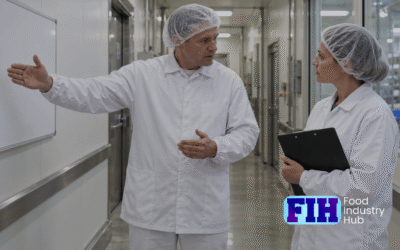
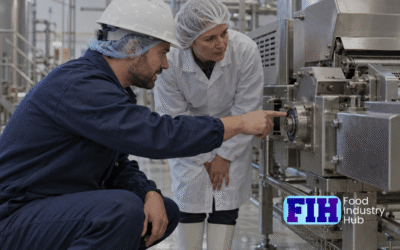
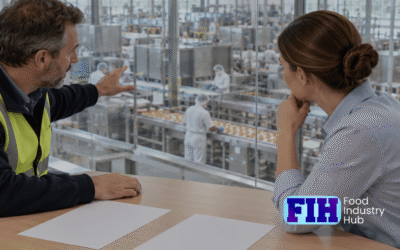
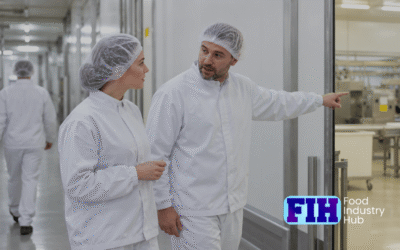
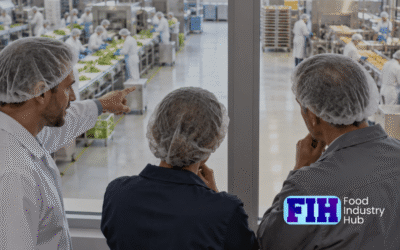
Gemba Walks are inherently associated with the Kaizen methodology, offering food manufacturers a direct way to observe and understand their operations at the source. The term “Gemba” is a Japanese word that means “the real place,” referring to the location where value is created, such as the production floor or kitchen in a food manufacturing setting. During a Gemba Walk, managers, supervisors, or Kaizen leaders go to the front line of production to observe processes, engage with employees, and identify opportunities for improvement. This practice enables leaders to gain firsthand insights into the challenges workers face and to see inefficiencies or safety issues that might not be apparent in reports or meetings. By spending time in the “real place,” leaders foster a deeper understanding of day-to-day operations and show commitment to continuous improvement.
Gemba Walks also serve as an opportunity for direct employee involvement, which is a cornerstone of Kaizen. During these walks, managers interact with workers, asking questions and seeking feedback about existing processes. Employees, who often have the most direct experience with the equipment, workflow, and challenges, can provide valuable suggestions for improving safety, quality, and efficiency. This engagement helps create a culture of collaboration where everyone feels responsible for driving improvement, not just management. In food manufacturing, where speed and precision are critical, involving employees in identifying issues on the floor ensures that improvements are practical and grounded in operational reality. Employees are more likely to embrace changes when they feel their input is valued and when they see management actively working to improve conditions.
Gemba Walks support the Kaizen philosophy of incremental improvement by providing a platform to identify small but impactful changes that can be made quickly and cost-effectively. These changes may range from adjusting workflows to reduce unnecessary steps, to improving the layout of production areas to enhance efficiency or addressing minor equipment issues that could lead to major disruptions if left unaddressed. The goal is to continually refine processes and eliminate waste, whether it’s time, materials, or effort. By conducting Gemba Walks regularly, food manufacturers ensure that the focus on continuous improvement remains active and that small, sustainable changes are made consistently over time. Ultimately, Gemba Walks help create an environment where everyone is aligned in the pursuit of higher quality, safer practices, and greater operational efficiency.
Kaizen Events (Kaizen Blitz)
Kaizen Events, also known as Kaizen Blitz, are focused, short-term improvement initiatives that bring together a team of employees to address a specific issue or process within a set timeframe. Typically lasting anywhere from a few days to a week, Kaizen Blitz events allow food manufacturers to tackle problems with high intensity and focus. These events often target a specific area such as reducing waste, improving food safety practices, or optimising production workflows. The purpose of a Kaizen Blitz is to achieve rapid, measurable improvements that can be implemented immediately or in the short term, providing quick wins while building momentum for continuous improvement across the organisation.
The success of a Kaizen Event lies in its collaborative approach. Teams involved in the Blitz usually consist of cross-functional members, including production workers, managers, engineers, and quality control specialists. This diverse group brings a range of perspectives and expertise to the problem-solving process, ensuring that solutions are practical, effective, and tailored to the unique challenges of food manufacturing. The event typically begins with a thorough analysis of the current process, followed by brainstorming sessions to identify root causes and generate improvement ideas. With a clear action plan in place, the team works together to implement changes and track their results in real-time, fostering a sense of ownership and accountability.
Once the Kaizen Blitz is completed, the team evaluates the results, documenting improvements and outlining any additional steps needed to sustain changes over time. Kaizen Events are often followed by a review and standardisation process to ensure that the solutions implemented during the event become part of regular operations. In food manufacturing, where maintaining consistency, quality, and safety is critical, this step ensures that improvements are ingrained into standard operating procedures (SOPs). Additionally, Kaizen Blitz events provide a valuable learning experience for all involved, helping to build a culture of continuous improvement throughout the organisation. By addressing issues quickly and collaboratively, Kaizen Events help food manufacturers not only solve immediate problems but also create lasting change that drives long-term operational success.
Poka-Yoke (Mistake-Proofing)
Poka-Yoke, a Japanese term meaning “mistake-proofing,” is a concept used in lean manufacturing to prevent human errors during production. In food manufacturing, Poka-Yoke helps ensure that mistakes are avoided before they can occur, rather than relying solely on inspections after the fact. The aim is to design processes, tools, or equipment that automatically prevent incorrect actions, such as the use of the wrong ingredients, improper equipment settings, or packaging errors. For example, a Poka-Yoke device could be installed on a filling machine to ensure the correct amount of ingredients are dispensed, or a sensor might be used to verify that the right packaging size is being used before a product is sealed. This proactive approach helps reduce the likelihood of costly errors, waste, and quality issues, ensuring that products meet both safety and quality standards.
Poka-Yoke can be implemented in various ways, ranging from simple mechanical devices to more complex automated systems. In food manufacturing, where even small mistakes can lead to product recalls or compliance violations, Poka-Yoke is particularly valuable for ensuring consistent quality and food safety. These mistake-proofing techniques not only improve the reliability of the production process but also enhances worker confidence and reduces stress, as employees can feel assured that safeguards are in place to prevent errors.
Hoshin Kanri (Policy Deployment)
Hoshin Kanri, also known as Policy Deployment, is a strategic planning methodology that ensures alignment between a company’s long-term vision and daily operations. In food manufacturing, Hoshin Kanri enables organisations to focus on key strategic objectives and align the entire workforce towards achieving them. The process begins with defining the company’s vision, mission, and key goals, which are then broken down into smaller, more manageable objectives. These objectives are communicated throughout the organisation, ensuring that every level, from executives to front-line workers, understands their role in contributing to the overall strategy. By aligning operational goals with long-term aspirations, Hoshin Kanri helps food manufacturers achieve sustained growth and continuous improvement.
The first step in Hoshin Kanri involves setting clear strategic objectives that are critical to the business’s success. For food manufacturers, these could include improving product quality, enhancing food safety standards, increasing operational efficiency, or reducing waste. Once these goals are identified, the next step is to create actionable plans that break down the objectives into measurable and achievable targets. These targets are then assigned to specific departments or teams, making it clear how each part of the organisation can contribute to the overarching goals. Regular monitoring and review processes are built into the system to ensure that progress is being made and that any issues are addressed promptly.
A key feature of Hoshin Kanri is the deployment of these strategic goals through a structured, top-down approach, where leadership defines the vision and sets the direction, while middle management translates these goals into specific actions at the operational level. In food manufacturing, this could involve translating high-level goals such as “enhancing food safety” into specific actions, such as implementing a new sanitation protocol or improving the traceability of raw ingredients. Managers are responsible for ensuring that teams have the resources and support needed to carry out their tasks, while also providing regular feedback on progress. This alignment helps ensure that all levels of the organisation are working in harmony towards common goals.
In addition to top-down deployment, Hoshin Kanri also incorporates bottom-up feedback, where front-line workers contribute insights and suggest improvements based on their direct experience. This feedback loop is critical in food manufacturing, where production line workers are often the first to notice inefficiencies or quality issues. By incorporating this feedback into the strategic planning process, food manufacturers can make more informed decisions and continuously refine their processes. Overall, Hoshin Kanri fosters a culture of continuous improvement by ensuring that all levels of the organisation are engaged in achieving the company’s strategic objectives, making it a powerful tool for food manufacturers aiming to stay competitive and innovative in a rapidly changing industry.
Challenges of Implementing Kaizen
Implementing Kaizen in food manufacturing can present several challenges, particularly when it comes to fostering a culture of continuous improvement across the organisation. One common hurdle is overcoming resistance to change, especially in environments where employees are accustomed to established processes. For Kaizen to be successful, it requires active participation from all levels of the workforce, which can be difficult if employees are sceptical about the benefits or feel that their input is not valued. Additionally, maintaining consistent communication and alignment between departments can be challenging, as Kaizen initiatives require cross-functional collaboration to address inefficiencies and improve processes. Moreover, food manufacturers must ensure that improvements are sustainable and do not compromise product quality or safety. This requires a careful balance of innovation and strict adherence to industry regulations, as any changes must be implemented without disrupting compliance with food safety standards or regulatory requirements. Despite these challenges, with the right leadership and commitment, Kaizen can lead to significant improvements in efficiency, quality, and employee engagement.
Cultural Change
Cultural change is one of the most significant challenges when implementing Kaizen in food manufacturing. For Kaizen to be effective, it requires a shift from traditional ways of working to a mindset that embraces continuous improvement at all levels. This means moving away from a focus on individual tasks to a more collaborative approach where employees are encouraged to contribute ideas and solutions. However, in many food manufacturing environments, employees may be resistant to this change, particularly if they feel their roles and responsibilities are being threatened or if they are not accustomed to the idea of constant evaluation and improvement. Overcoming this resistance often requires clear communication from leadership, ongoing training, and a commitment to creating an environment where everyone feels empowered to participate in problem-solving and process optimisation.
Cultural change can be particularly challenging in established organisations where long-standing practices have become ingrained over time. Food manufacturing companies with a history of standard operating procedures may find it difficult to convince staff that small, incremental changes are necessary for long-term success. For Kaizen to truly take root, the organisation must cultivate a culture that values experimentation, embraces learning from mistakes, and encourages open dialogue across all levels. This can be difficult to achieve, especially if the company’s leadership has not been fully engaged in promoting this cultural shift.
Training Needs
Training needs present another significant challenge when implementing Kaizen in food manufacturing. For Kaizen to be successful, employees must not only understand the principles of continuous improvement but also be equipped with the skills to actively contribute to the process. This requires comprehensive training across all levels of the organisation, from top management to front-line workers. Without adequate training, employees may struggle to identify inefficiencies, suggest improvements, or properly implement new processes. This gap in knowledge can result in costly errors or overlooked opportunities for improvement. Ensuring that employees are trained in Kaizen methodologies, problem-solving techniques, and the specific tools used for process improvement is essential to the successful integration of Kaizen into daily operations.
The ongoing nature of Kaizen requires a commitment to continuous learning and development. This can be particularly challenging in food manufacturing environments where staff turnover is often high, or employees may be working with multiple, shifting priorities. Managers must ensure that training is not a one-time event but part of a continuous cycle that reinforces Kaizen principles and tools regularly. Additionally, aligning training efforts with the specific needs of the business—whether that’s improving production line efficiency, reducing waste, or enhancing food safety—is crucial for success. When training is tailored and ongoing, employees are better equipped to contribute meaningfully to Kaizen efforts, leading to more effective and sustained improvements across the manufacturing process.
Sustaining Momentum
While initial enthusiasm and efforts may drive early improvements, maintaining that momentum over time can be difficult. Without continuous reinforcement, Kaizen initiatives risk losing traction, especially when employees return to their old habits or become disengaged. In food manufacturing, where routine and efficiency are often prioritised, there is a tendency to focus on short-term goals rather than long-term, incremental improvements. To counteract this, companies must ensure that Kaizen principles remain integrated into everyday operations, with regular reviews and updates to keep the focus on continuous improvement. Leaders must actively encourage participation, celebrate small wins, and provide clear, ongoing communication about the importance of Kaizen to the organisation’s success.
Another aspect of sustaining momentum is the need for ongoing leadership support and involvement. Without committed leadership, Kaizen can become just another passing initiative rather than a deeply ingrained part of the company culture. Food manufacturers must ensure that leadership is visibly engaged in Kaizen efforts, providing the necessary resources and guidance to sustain improvements. This could involve regular progress meetings, providing employees with feedback, and re-aligning goals as needed to maintain momentum. A lack of follow-through can lead to the erosion of trust and commitment from the workforce, undermining the very principles of Kaizen. By consistently reinforcing the importance of Kaizen and demonstrating its value through measurable results, food manufacturers can ensure that the improvements made become embedded in the organisation’s DNA for long-term success.
Employee Resistance
Employees may be hesitant to embrace continuous improvement practices due to fears of additional workload, changes in job roles, or a perceived disruption to their familiar routines. In environments where employees have been following traditional processes for years, the prospect of change can be met with scepticism. Resistance can also stem from a lack of understanding about the benefits of Kaizen, or from concerns that new ideas may be imposed without adequate consideration of practical realities on the ground. Overcoming this resistance requires clear communication from management, explaining the long-term advantages of Kaizen for both the company and the individual worker, such as reduced waste, improved job satisfaction, and enhanced operational efficiency.
To mitigate resistance, food manufacturers need to create an inclusive environment where employees feel their input is valued. Involving employees early in the Kaizen process, seeking their feedback, and empowering them to contribute solutions can help build a sense of ownership and commitment. It’s important to demonstrate that Kaizen is not about imposing additional requirements on workers but about improving their work environment and processes. By fostering a culture of trust, offering training to help employees feel confident with new methods, and highlighting small, incremental successes, companies can ease resistance and encourage buy-in. When employees see tangible benefits from Kaizen, such as smoother operations or fewer errors, they are more likely to embrace the changes and support the ongoing improvement process.
In Summary
Implementing Kaizen in food manufacturing offers a powerful framework for driving continuous improvement, enhancing efficiency, and fostering a culture of collaboration and innovation. By focusing on incremental changes, engaging employees at all levels, and applying methodologies such as the 5S system, Gemba Walks, and Poka-Yoke, food manufacturers can systematically reduce waste, improve quality, and streamline operations. The benefits are far-reaching, from cost reductions and increased productivity to enhanced food safety and quality culture. However, achieving these outcomes requires more than technical solutions—it demands a commitment to cultural change, consistent leadership support, and ongoing employee engagement.
Despite the challenges of resistance to change, training needs, and sustaining momentum, Kaizen can deliver transformative results when approached thoughtfully. The key lies in embedding its principles into the daily fabric of operations, ensuring that improvements are standardised and continuously reinforced. Clear communication, robust training programmes, and a focus on collaboration can help overcome barriers and build trust across the organisation. For food manufacturers, Kaizen is not just a tool but a strategic approach to meeting the complex demands of the industry while empowering employees to take ownership of progress. By embracing Kaizen, businesses can unlock their potential for long-term success in an ever-evolving landscape.
Further Resources
Food Industry Hub serves the food industry with a range of digital resources for the benefit of both commercial food manufacturers and food industry professionals.
For food manufacturers, we offer integrated management systems that give every user a direct interface with your QMS.
For food industry professionals, we provide an extensive signposting service in addition to informational content we hope you’ll find useful as you face new professional challenges. We have very ambitious plans to expand the range of services offered, and currently present informational content on management, safety and quality, food safety and quality culture, and professional success.