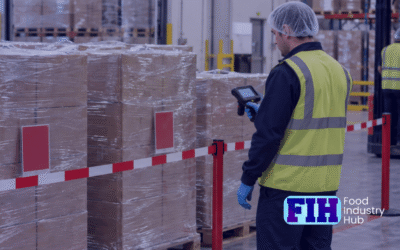
Maximising The Benefits from Internal Audits in Food Manufacturing

The Food Industry Hub Blog

Food Industry Hub blog

The Food Industry Hub blog includes practical discussion for food manufacturing professionals across technical, cultural, management and professional themes.

This post is part of the category:

Internal audits in food manufacturing are a valuable tool when it comes to identifying areas of improvement and increasing efficiency. They can help to identify weaknesses, strengths, and discrepancies in compliance, while also providing an opportunity to discover value-added activities that could be pursued. When done properly, internal audits can provide a thorough overview of a business’s operations and help to ensure that all areas are running effectively. The data collected from these assessments can then be used for performance management and decision-making purposes.

Internal Audits for Added Value, Not Just a Necessary Aspect of Compliance

Internal audits in food manufacturing are often viewed as a necessary aspect of compliance to meet regulatory requirements. However, internal audits can provide much more than just compliance assurance. When executed effectively, internal audits can add value to the organisation by identifying areas for improvement and opportunities for cost savings. By conducting routine internal audits, food manufacturers can identify gaps in their processes and systems before they become major issues that could result in product recalls or other significant consequences.

Internal audits also provide an opportunity for cross-functional collaboration within the organisation. By involving employees from different departments in the audit process, manufacturers can gain insights into how all aspects of the business work together and identify areas where further integration is needed.

While compliance is undoubtedly a principal motivator for internal auditing in food manufacturing, it should not be seen as its sole purpose. Through careful planning and execution of internal audits, food manufacturers can maximise their benefits by identifying areas for improvement that deliver financial gains while enhancing overall operational efficiencies.

Internal Audits Facilitate Continuous Improvement

Internal audits provide an opportunity for continuous improvement within the organisation. By identifying areas where processes can be improved or optimised, internal audits facilitate ongoing progress towards meeting business objectives.

One of the key benefits of internal audits is that they help organisations identify potential risks and hazards before they become major issues. By reviewing operational practices and procedures, auditors can spot potential safety concerns or issues with product quality early on, allowing manufacturers to take corrective action before problems escalate.

In addition to identifying areas for improvement, internal audits also help to promote a culture of accountability within the organisation. When employees know that their work is being reviewed regularly and that they will be held responsible for any deficiencies identified during an audit, they are more likely to take their responsibilities seriously and prioritise the delivery of high-quality results. Ultimately, this focus on quality enables food manufacturing companies to maintain customer trust while driving long-term growth and success.

The Benefits of Effective Internal Audits

An effective internal audit is an essential tool for food manufacturers to ensure compliance, identify areas for improvement, and enhance the overall efficiency of their operations. By regularly conducting internal audits, food manufacturers can improve process control, reduce waste, prevent product recalls and strengthen their reputation with customers.

Internal audits enable companies to evaluate their current systems and procedures against industry best practices and regulatory standards. The identification of gaps or deficiencies in these systems allows management to implement corrective measures before they become larger issues that could result in legal liabilities or damage the company’s reputation.

Internal audits can also provide valuable insights into financial performance metrics such as inventory turnover rates. By identifying areas where costs can be reduced or production efficiencies increased, internal audits contribute significantly to a company’s bottom line. Overall, effective internal audits are a critical component of any successful food manufacturing operation that is committed to continuous improvement and maintaining high standards of quality assurance.

Delivering Valuable Insights into Operational Systems and Processes

Internal audits help to ensure that operational systems and processes are working effectively, efficiently and in compliance with regulations. However, for internal audits to be truly effective, they must deliver valuable insights into the current state of the business.

One way to achieve this is by focusing on specific areas of the business during each audit cycle. For example, one audit cycle may focus on raw material handling while another could focus on cleaning procedures. By taking a targeted approach, auditors can provide deeper insights into specific areas of concern.

Using analytics tools to analyse audit data allows businesses to identify trends and patterns in their operational systems and processes over time. Armed with this information, they can make informed decisions about where improvements are needed and how best to implement them. Delivering valuable insights through internal audits is particularly helpful for driving continuous improvement in food manufacturing operations.

Substantiated Verification of the Effective Application of The Food Safety Plan

Verification of the effective application of the food safety plan involves reviewing whether the implemented measures are achieving their intended purpose and ensuring that they comply with the relevant standards. The process also helps identify loopholes and gaps, enabling manufacturers to enhance their strategies for managing risks.

To achieve substantiated verification, a thorough assessment must be conducted by qualified personnel with relevant expertise. They will evaluate whether all aspects of the food safety plan have been implemented effectively and efficiently, including hazard analysis, preventive controls, corrective actions, monitoring programs, and more.

The substantiated verification process aims to ensure that manufacturers adhere to best practices in food safety management. Providing independent feedback on compliance levels allows businesses to identify areas where improvements are necessary to reduce risk exposure further. Ultimately this enables companies to protect consumers’ health while maintaining operational efficiency and minimising financial loss due to product recalls or other adverse impacts resulting from non-compliance.

Validation of Compliance Interventions for Food Safety and Quality

The importance of compliance interventions for food safety and quality cannot be overemphasised in food manufacturing. It is essential to have the necessary measures in place to ensure that products are safe for consumption and meet the required quality standards. However, it is not enough to put these measures in place; they must also be validated to ensure that they work as intended.

Validation ensures that the processes, procedures, and controls put in place are effective in achieving their intended purpose.

Internal audits play a crucial role in validating compliance interventions for food safety and quality. Through internal audits, manufacturers can assess their systems’ effectiveness regularly and identify areas where improvements are needed. This helps them stay on top of regulatory requirements while ensuring their products’ safety and quality standards are maintained consistently.

Dispassionate, Unbiased Feedback for Management and Stakeholders

In the food manufacturing industry, internal audits play a crucial role in ensuring that processes and procedures adhere to standard operating practices. However, feedback from these audits can be difficult for management and stakeholders to receive, especially when it is critical. That’s where dispassionate, unbiased feedback comes into play.

The key to effective internal audits is ensuring that they are conducted by an impartial auditor who has no vested interest in the outcome. This approach allows for honest observations and recommendations without fear of repercussions or bias. Additionally, this feedback should be presented in a clear and concise manner so that management and stakeholders can easily understand any issues or areas for improvement.

Incorporating dispassionate and unbiased feedback into internal auditing processes can help food manufacturers maximise the benefits of these audits. By providing honest insights without fear of bias or retaliation, companies can proactively address concerns before they become bigger issues while also promoting accountability and transparency throughout their organisation.

Actionable Information for Improvement Initiatives

The true value of an audit lies not just in identifying weaknesses but also in taking actionable steps to improve them. A well-designed corrective action plan can help companies prioritise and address issues identified during internal audits, leading to continuous improvement and increased efficiency.

Internal audits present an opportunity to collect information on the current state of performance and identify any gaps. The exact nature of compliance deficits should result in very specific and targeted actions that can be taken to remedy any shortfalls. Internal audit non-conformances are frequently treated as being interchangeable with operational non-conformities, but there is a distinction between proactive assessment (through internal auditing) and reactive incidents-handling. The outcomes from audits are less about ‘what went wrong, and what should we do about it?’ and more about ‘where are the compliance gaps, and what would be the best ways to introduce systematic changes to make operational processes more robust?’.

Establishing a Risk-Based Schedule of Internal Audits

For each activity, the outcomes from previously conducted audits should influence the frequency of future audits.

It is important to consider the outcomes from previously conducted audits. This means using the results of previous audits to determine how frequently future audits should be conducted. For instance, if a previous audit identified several non-conformities, it may be necessary to conduct a follow-up audit sooner than originally planned. On the other hand, if no significant issues were found during a previous audit, it may be appropriate to schedule subsequent audits less frequently.

Risk perception should also factor into audit scheduling – so activities that may pose risks to food safety, quality, authenticity, or legality should be audited more frequently than lower-risk activities. In addition to considering risk factors when scheduling audits, it is also important to prioritise areas of the facility that have higher risk levels. This may include areas where significant processing occurs or where ingredients are stored in large quantities for extended periods of time.

Taking a risk-based approach to audit scheduling can help companies maximise the benefits of internal audits while minimising disruption to production processes. By prioritising high-risk areas and ensuring that audits are conducted with sufficient frequency, companies can ensure that resource and attention is channelled to where it is needed most.

Distributing Audits Throughout the Year for Representative Sampling

To ensure representative sampling, it is recommended to distribute audits throughout the year. By distributing audits across different seasons and production cycles, manufacturers can capture variations in their processes that may affect quality and safety. This approach also ensures that all areas of the facility are audited at least once during the year, reducing blind spots and increasing overall compliance.

In a highly seasonal industry, conducting all audits during one season can lead to skewed results and an incomplete view of the overall process. By spreading out audits across different seasons, food manufacturers can gain more accurate insights into their operations and identify areas for improvement.

In addition, distributing internal audits across various locations can help companies obtain a wider range of data points that can be used to inform decision-making processes. Conducting location-specific assessments helps highlight unique operational differences between sites, which can be leveraged by management teams to enhance efficiency and standardise procedures where necessary. Ultimately, this approach leads to better outcomes for both businesses and consumers alike.

Where resource is limited by the number of auditors in the auditing team as well as time allocated to audits (relative to competing priorities and tasks), spreading audits across the year can help to overcome bottlenecks and mitigate peaks in workload. This applies both conducting audits and implementing remedial actions. It’s functionally superior to drip-feed the cost and time demand throughout the year than to try to audit all processes in one go.

Ensuring All Aspects of The Site’s Food Safety and Quality Systems Are Included in The Internal Audit Schedule

The audit schedule should comprehensively address all systems and processes that form part of the site’s food safety and quality systems. Every function with any impact on food safety, quality, authenticity and legality should be included.

The audit schedule should include a systematic approach that ensures every function is reviewed at least once per year.

The audit schedule should be tailored to suit the specific requirements of the site, taking into account factors such as product complexity, process variability, regulatory compliance requirements, and risk. The scope of each audit should be clearly defined, with objectives set for each audit.

Upon the full implementation of the schedule of audits, the site’s management should not be left in a position of uncertainty over suitability and effectiveness of its systems and processes.

Defining A Clear Scope for Each Audit

This means outlining specific areas or processes that will be examined during the audit, as well as any relevant regulations or compliance standards that must be adhered to. By doing so, auditors can ensure that they are focusing their efforts on the most important aspects of the business and avoiding unnecessary distractions.

A well-thought-out scope for each audit removes ambiguity from the process. There are clear success criteria for audits – have all aspects of the scope been sufficiently addressed? Do observations of conformity and non-conformity fully challenge the activities included in the scope? Does objective evidence collected during the audit comprehensively substantiate the conclusions arrived at?

Explicitly defining the scope of each audit allows for the system of audits itself to be challenged. This benchmark can be used to assess the successful or unsuccessful application of the internal auditing system. Likewise, objective benchmarking of completed audits against their scope can aid in standardisation and consistency across audits carried out by different auditors.

Evidencing Auditor Competency Through Training and Qualifications

The auditor should be knowledgeable about food manufacturing regulations, standards and requirements, as well as have a solid understanding of auditing principles and techniques. To evidence their competence, auditors can acquire relevant training and qualifications.

For instance, auditors can complete certified courses such as ISO 22000 Lead Auditor Training or HACCP Auditing from reputable institutions. These courses equip them with the necessary skills to undertake thorough audits that cover all aspects of food safety management systems. Furthermore, they provide them with updated information on regulatory changes and industry best practices.

Apart from acquiring certifications, auditors should also receive regular training and development opportunities to maintain their competencies over time. This could include attending seminars or workshops focused on food safety management system updates or participating in webinars hosted by professional bodies focused on internal auditing. Evidencing competency through training and qualifications is a crucial element in ensuring that internal audits deliver maximum benefits for food manufacturing organisations while maintaining consumer trust in their products’ safety and quality standards.

The Importance of Auditor Independence, and Why Auditors Cannot Audit Their Own Work

Auditor independence is all about the auditor’s ability to perform their duties without being influenced by any conflicts of interest or undue pressure. Auditors must maintain independence in both fact and appearance, which means that they should avoid any actions or relationships that could compromise their impartiality.

Auditors cannot audit their own work because it creates an inherent conflict of interest. If auditors were allowed to evaluate their own performance, there would be no accountability for errors or oversights. This would undermine the credibility and effectiveness of the audit process, as well as erode trust in the results.

Identifying Conformity as Well as Non-Conformity

Conformity refers to adherence to industry standards, regulations, and best practices. In contrast, non-conformity denotes deviations from these benchmarks, which can have severe consequences for food safety and quality.

An internal audit should serve as an assessment of the degree to which a food business complies with a particular standard – not just a list of shortcomings. This is to provide stakeholders with a dispassionate and balanced measure of performance, so that the management team knows where systems and controls are working appropriately as well as where gaps introduce vulnerability. The outcome should be more like a SWOT analysis (strengths, weaknesses, opportunities, threats) than a list of failings.

Collecting and Retaining Objective Evidence for Audit Observations

Objective evidence is the foundation of any audit observation. In food manufacturing, it is vital to collect and retain objective evidence that supports audit observations. Objective evidence can be in various forms such as records, documentation, interviews or physical evidence. The auditors should ensure that they have gathered sufficient and reliable objective evidence to support their findings.

To collect objective evidence effectively, internal auditors must understand the requirements of the standard being audited and prepare a checklist with relevant criteria. The auditor must then identify the sources of information within the organisation where they can obtain objective evidence from. This information includes data on production processes, quality checks, equipment maintenance logs, staff training records and so on.

Once objective evidence is collected, it needs to be retained for future reference. This means storing it securely in a central location accessible only by authorised personnel for an appropriate amount of time. Retaining accurate records is critical as this will enable management to make informed decisions based on past audit findings affecting business continuity and improvement initiatives while ensuring food safety standards are maintained.

Determining Gaps Between Current Performance and Compliance Requirements

One of the key goals of internal auditing is to identify gaps between current performance and compliance requirements. These gaps can arise from a range of factors such as process inefficiencies, deviations in standard operating procedures (SOPs), or lack of training for employees.

To determine these gaps accurately, it is essential to conduct a thorough evaluation that covers all aspects of the food production process and governance systems. To illustrate, if a site operates according to the BRCGS Food Standard, an audit should compare documented management systems (policies, procedures, work instructions, etc) with the requirements of the standard; and then compare actual working practice with the expectations of the management systems. This will form a gap analysis between the documented management systems and the compliance standard in addition to an assessment of operational compliance.

Clearly Defining the Nature of Non-Compliance

Any instances of non-compliance identified should be explicitly defined. It isn’t enough to record a non-conformance – the exact nature of the non-conformance must be clearly interpretable to the person responsible for the activity, as well as any interested stakeholders.

Clearly defining non-compliance is that it helps manufacturers assess the level of risk associated with each issue. This information can help them prioritise corrective actions based on the severity of the risk and allocate resources accordingly. By addressing high-risk issues first, manufacturers can minimise potential harm to consumers and reduce their exposure to legal and financial risks.

Finally, clear definition of non-compliance facilitates communication between different departments within a manufacturing facility. By providing detailed information about audit non-conformities, employees responsible for fixing problems can work together more efficiently across departments towards a common goal – ensuring compliance with all relevant regulations and standards.

Reporting The Results of Internal Audits to The Person Responsible for The Activity

Once the internal audit has been completed, it is important to report the results to the person responsible for the activity being audited. This can help them identify any areas where they may need to improve their processes and make necessary changes. Additionally, reporting the results of internal audits can increase accountability among team members and promote a culture of continuous improvement.

When preparing to report on internal audit results, it is important to be clear and concise in your communication. Focus on providing actionable feedback that will enable the person responsible for the activity to make improvements quickly and effectively. It is also important to ensure that you are communicating in a way that is appropriate for your audience – some people may prefer written reports, while others may prefer face-to-face meetings or phone calls.

Forming An Agreement Over Corrective and Preventative Actions Needed, and The Timescales for Their Implementation

One of the key benefits of conducting internal audits in food manufacturing is that they help identify gaps and areas for improvement. However, identifying these issues is just the first step; it’s important to form an agreement over corrective and preventative actions needed to address them. This agreement should involve key stakeholders from different departments, including production, quality control, and management.

Once gaps and areas for improvement have been identified in internal audits, it is important to take action to address them. This involves developing a thorough plan that outlines the steps needed to close any identified gaps or improve processes within the food manufacturing operation. It’s critical to involve all relevant personnel from different departments in this process, as they can offer unique insights and suggestions for improvements.

The agreement should include specific timescales for implementing these actions. It’s important to set realistic deadlines that take into account any potential challenges or obstacles that may arise during implementation. By setting clear timescales and involving all relevant parties in the process, you can ensure that everyone is aligned on what needs to be done and when it needs to be done by. If a corrective action requires a significant investment in new equipment, it may be necessary to adjust the timeframe accordingly. Similarly, if there are staffing shortages or other issues that could impact progress, these should be factored into the schedule.

Verifying The Effective Completion of Remedial Actions

Verifying the effective completion of remedial actions is crucial in ensuring that internal audits are effective in improving food manufacturing processes. It involves confirming that the corrective actions recommended during an audit have been taken and are producing the desired results. The verification process should be documented to ensure effectiveness and accountability.

To verify the effectiveness of remedial actions, it is important to establish clear criteria for success before implementing them. This will help to determine whether they have achieved their intended objectives. Verification can be done through follow-up inspections or by reviewing data collected after implementing the corrective action.

Validating That Compliance Is Satisfactorily Achieved Following Corrective and Preventative Actions

One of the essential aspects of internal audits in food manufacturing is to ensure that corrective and preventative actions are taken after a nonconformity has been identified. But it’s not enough to implement these actions; it’s equally important to validate them to confirm that compliance has satisfactorily been achieved. This validation process involves evaluating the effectiveness of the corrective and preventative measures and determining if there have been any recurring non-conformities.

One way of validating the efficacy of corrective and preventive actions is by conducting follow-up audits. During these audits, auditors can determine if the action plans were implemented as specified or if there were any deviations from what was outlined in the plan. The findings from this audit can then be compared with previous audit results to ascertain if progress has been made towards achieving compliance.

Direct observation during regular operations can also be used to validate whether corrective and preventive actions have led to compliance or not. For example, observing employees following standard operating procedures or using equipment correctly could indicate that these actions have indeed led to improved compliance levels. Ultimately, validating that compliance is satisfactorily achieved following corrective and preventative actions helps organisations identify areas for improvement and make necessary adjustments, leading to better overall performance metrics.

Summarising The Results of Internal Audits into Management Review Meetings

Following a thorough and systematic approach, internal audits evaluate the effectiveness of company processes, identify areas for improvement, and ensure that compliance requirements are being met. Summarising the results of these audits is an important step towards maintaining quality standards.

Management review meetings provide an opportunity to discuss audit findings and assess how well current processes align with company goals. These meetings allow management to take a holistic view of operations and determine whether changes need to be made to improve efficiency or reduce risk. This is an expression of senior management commitment. By summarising audit results in clear, concise language, it becomes easier for management to make informed decisions regarding future course of action.

In addition to identifying areas for improvement within the company, summarising internal audit results also provides insight into staff performance. It allows management to recognise employees who have consistently met or exceeded expectations and highlight areas where additional training may be required. This information can then be used as part of employee evaluations or professional development plans, ultimately contributing towards a more efficient workforce.

Identifying Trends Across Functions and Departments

By analysing data from various departments, such as production, quality control, and purchasing, companies can identify areas for improvement and take necessary actions. For example, if the trend shows a high number of quality control issues in a particular department, further investigation can be conducted into why this is occurring and what measures need to be taken to address it.

This can help to identify patterns that may indicate areas for improvement or potential issues. For example, if there is a consistent problem with contamination in a particular area of the facility or during a specific stage of production, this could be an indication that additional training or equipment is needed.

Identifying trends across functions and departments also helps companies to better understand how their processes are interconnected. This understanding can lead to more streamlined operations and improved communication between different teams. For instance, if a trend shows that delays in purchasing are leading to delays in production, steps can be taken to improve communication between these two departments so that delays are minimised.

Identifying trends across functions and departments should be an integral part of any internal audit program. It allows companies to gain insights into their processes that might otherwise go unnoticed while facilitating improvements that increase efficiency and effectiveness throughout the organisation. By identifying patterns in these areas that could lead to non-compliance with regulations or a drop in product quality, companies can take proactive steps to address issues before they escalate.

Allocation Of Resources, Assessment of Skills, and Management Capacity in Light of Trended Audit Results

It is necessary to allocate adequate resources for the implementation and maintenance of audit programs, including hiring staff with relevant skills, training them accordingly, and investing in technology and infrastructure. The assessment of employee skills also plays a significant role in these efforts. Companies should regularly evaluate their employees’ performance, identify skill gaps, and provide appropriate training to improve capabilities.

Management capacity is another key factor that can impact the effectiveness of internal audits. Good management practices are essential to ensure that audit findings are responded to appropriately and corrective actions are implemented timely. Management should be responsible for developing guidelines or policies based on audit results that can help improve processes and prevent future issues or risks identified during an audit. They must also communicate effectively with all stakeholders involved in the audit process by sharing information transparently with them about any deficiencies found during an audit to develop collaborative solutions.

The identification of numerous or recurring non-conformities at audit should be a strong signal that a department or function is in need of additional resource.

Determination Of Future Audit Frequency Based on The Findings of Completed Audits

If a food manufacturing company has many significant issues that need to be addressed, then more frequent audits will be necessary. However, if only minor issues were discovered during an audit, then less frequent audits may suffice.

Regular follow-ups should be conducted by food manufacturing companies after each audit cycle; this assists in ensuring that all identified corrective actions have been implemented successfully while also providing an opportunity for further improvement suggestions. By doing so, companies can make sure they are meeting regulatory requirements and maintaining quality standards while avoiding costly non-compliance fines or product recalls.

In Summary

Internal audits in food manufacturing are an essential component of ensuring the safety and quality of products. By conducting regular audits, companies can identify potential issues before they become major problems that could harm customers or damage their reputation. These audits should be thorough and comprehensive, covering all aspects of the production process.

To maximise the benefits from internal audits, it is important to have a clear understanding of what is being audited and why. Companies should establish audit protocols that are tailored to their specific needs and objectives, taking into account industry best practices and regulatory requirements. They should also ensure that their auditors are well-trained and knowledgeable about food safety standards.

Finally, it is critical for companies to take action based on the results of their internal audits. This may involve making changes to production processes, implementing new procedures or training programs for employees, or investing in new technologies or equipment. By following these steps and prioritising internal auditing as a key part of their operations, food manufacturers can help ensure that they produce safe and high-quality products while maintaining customer trust and loyalty.


A food complaint is a signal, not a diagnosis

A food complaint is a signal, not a diagnosis

A customer reports a defect in a product they bought last week. The first conversation may be the only opportunity to establish exactly which pack they had, when they noticed the problem, how it was stored and whether the product or packaging remains available. If...

Recall readiness is tested when the normal response route fails

Recall readiness is tested when the normal response route fails

A product concern is reported late on a weekend. The usual incident lead is unavailable, the stock system cannot be reached remotely and the customer contact list is stored on the same network. The site may still have a written recall procedure and complete...

Food incident decisions begin before the full picture is clear

Food incident decisions begin before the full picture is clear

A possible problem in distributed food rarely arrives as a complete case. A laboratory result may be pending, a complaint may identify only part of a batch, or a distribution report may not yet reconcile. Waiting for every detail can leave product moving while the...

Recurring defects put the corrective-action system to the test

Recurring defects put the corrective-action system to the test

A corrective-action register can look healthy while the same defect keeps returning. Cases have owners, actions have completion dates, and closure percentages improve. Yet a new complaint or line finding sends the team back to a problem it thought it had solved. The...

CAPA closure should follow evidence that the control works

CAPA closure should follow evidence that the control works

A corrective and preventive action record can show every assigned task as complete while the original failure remains possible. A part has been changed, an instruction issued and people trained. Those records matter, but they establish that the response was carried...

A root-cause label cannot explain a food factory failure on its own

A root-cause label cannot explain a food factory failure on its own

“Operator error” can accurately describe an action in a food factory and still leave the most useful question unanswered. Why did that action produce the failure, and what would prevent a similar event under comparable conditions? A conclusion that stops with the...

A presumed cause can misdirect root-cause analysis from the start

A presumed cause can misdirect root-cause analysis from the start

“Operator error caused weak seals” sounds like the start of a root-cause investigation. In fact, it may be the end of one. The words identify a cause before the evidence has established what failed, when it began, which packs were affected or whether the equipment and...

Dispatch is a final check of product, vehicle and journey readiness

Dispatch is a final check of product, vehicle and journey readiness

The order is picked, the pallets match the customer paperwork and the transport company sends a replacement trailer. It looks clean. Yet nobody has established whether its refrigeration system can maintain the product's required condition with this load and route....

Zoning works only when the boundary survives daily movement

Zoning works only when the boundary survives daily movement

A factory map can show a clear line between two production areas while people, tools, materials and air cross it throughout the day. A door may be closed yet the wrong waste route passes through it. A changing procedure may look complete while clean clothing is...

A zone boundary must control the routes contamination can take

A zone boundary must control the routes contamination can take

A line between production zones can look decisive on a factory plan. On the floor, that line may be crossed by a pallet, a person, a tool, air from a neighbouring space or water moving through a drain. Its value depends on whether those movements can carry...

Pest management succeeds between contractor visits

Pest management succeeds between contractor visits

A pest-control visit can be thorough and still leave a food site exposed the following day. A loading door stops closing cleanly, waste accumulates outside, or a storage area becomes difficult to inspect. The specialist's last report describes what was visible at...

A food laboratory result depends on the sample and method behind it

A food laboratory result depends on the sample and method behind it

A laboratory report can look decisive: a sample reference, a method, a result and a comparison with a limit. The difficult question is what that result says about the material, product or control decision the site must make. A well run analysis of a poorly chosen...

Foreign-body detection must prove the path from sensing to rejection

Foreign-body detection must prove the path from sensing to rejection

A metal detector can recognise a test piece and still fail to protect product if the wrong pack is rejected, the reject bin is accessible, or an alarm is ignored during a busy run. A passing display is evidence about one part of the control. The site needs confidence...

Measurement assurance must explain why a result could be trusted

Measurement assurance must explain why a result could be trusted

A temperature, weight or laboratory result can decide whether a process continues, a batch is accepted or product remains on hold. When that decision is challenged later, a calibration certificate alone rarely tells the whole story. A reviewer needs to know which...

A calibration record may not describe the measuring device in use

A calibration record may not describe the measuring device in use

A calibration register can show that a device was checked on time while an operator has no reliable way to tell whether the instrument in hand is the same one, still suitable for the task and unchanged since the check. A label may look current even after a setting has...

Building condition changes the routes contamination can take

Building condition changes the routes contamination can take

A damaged floor joint is easy to classify as a maintenance defect. It becomes a food-safety question when wash water pools in it, traffic crosses it and the route passes near open product. The production instruction may be unchanged. The physical path by which...

Equipment and site defects can leave earlier product in doubt

Equipment and site defects can leave earlier product in doubt

A failed piece of equipment can be repaired in an hour while leaving several earlier batches in doubt. A damaged ceiling can be made sound while leaving an unanswered question about what passed underneath it. The visible repair closes one problem: the condition of the...

Environmental sampling needs a complete account of each cycle

Environmental sampling needs a complete account of each cycle

An environmental monitoring dashboard can show a reassuring run of negative results while leaving out the samples that were never taken. It can also contain a positive result with no clear record of the production or cleaning condition in which the sample was...

Foreign-body prevention starts at the source, before detection

Foreign-body prevention starts at the source, before detection

An intact glass register can coexist with a weak foreign-body programme. The register may say where a light fitting is and when somebody last inspected it. It does not show whether a fragment could fall into exposed product, how far that product could travel before...

Post-maintenance hand-back needs more than a completed repair

Post-maintenance hand-back needs more than a completed repair

A technician can finish a repair, close the work order and leave a machine mechanically functional while the production area is still unready for food. A cover may have been removed. A product-contact surface may carry residue from the work. A tool or replacement part...

Repeated cleaning failure can reveal an equipment-design limit

Repeated cleaning failure can reveal an equipment-design limit

When the same part of a line fails a cleaning check repeatedly, asking for another re-clean may be necessary for the immediate start. It is a poor long-term answer if the location can only be made acceptable through exceptional effort. The recurrence may reflect a...

Cleaning assurance depends on the question each check can answer

Cleaning assurance depends on the question each check can answer

A food production line can look clean before start-up and still have an unresolved hygiene question. A visual inspection may find no product debris, while an allergen changeover needs evidence about residues that cannot be seen. A cleaning record may show that every...

A cleaning method works only when the factory makes it possible

A cleaning method works only when the factory makes it possible

A cleaning procedure can describe the right chemical, contact time, dismantling step and verification method yet still fail on a normal production day. The line finishes late, a guard cannot be removed, the specialist tool is elsewhere or restart is already scheduled....

A distribution disruption puts product status back into question

A distribution disruption puts product status back into question

Finished product may leave a factory with an authorised release and still need a new decision later. A vehicle is delayed, refrigeration equipment stops, a security seal is broken, or a customer returns stock. The original release record shows that the product met the...

Quantity control needs a capable process and a credible reject path

Quantity control needs a capable process and a credible reject path

A checkweigher can be running, test records can be complete, and the line can still be producing quantity that is hard to defend. The instrument may be set for the wrong pack, a gradual change in filling may be hidden by a generous average, or an underfilled test pack...

Design food traceability for the decisions an incident requires

Design food traceability for the decisions an incident requires

A traceability exercise can finish quickly and still leave an incident team unable to define which product is affected. Records may identify a supplier lot and a finished batch while losing the relationship through part-used material, rework, a packaging change or an...

Change control can miss the process a food factory actually runs

Change control can miss the process a food factory actually runs

A food factory can arrive at a different process without approving a single major project. A line setting is raised to keep throughput steady. A cleaning sequence is adjusted during a staffing shortage. Packaging changes at the same time as a supplier or machine part....

Cleaning works when the whole hygiene cycle is controlled

Cleaning works when the whole hygiene cycle is controlled

A cleaning record can be complete while the equipment is still unfit for the next product. The scheduled method may have missed a joint, the cleaning window may have been shortened, or the check may have looked for the wrong kind of residue. None of these failures is...

Goods-in acceptance decides material status, not supplier approval

Goods-in acceptance decides material status, not supplier approval

A delivery can arrive clean, on time and with apparently complete paperwork while still being the wrong material to put into production. The lot may have come from a manufacturing site outside the approved supply route. Its specification may have changed without the...

Supplier approval evidence should answer the right risk questions

Supplier approval evidence should answer the right risk questions

A supplier file can contain a certificate, a completed questionnaire, an audit report and years of correspondence yet still leave the approval decision unclear. The central issue is whether those records establish confidence in the material, its actual source and the...

Food-defence plans need testing as the factory changes

Food-defence plans need testing as the factory changes

A food-defence plan can be current, signed and neatly filed while a protection on the factory floor no longer works as intended. A changed delivery pattern may put a different team at an intake point. A new contractor arrangement may change who can enter a storage...

How food-fraud controls and testing should match the deception risk

How food-fraud controls and testing should match the deception risk

A material can arrive with an approved supplier, a plausible specification and a certificate that appears complete. None of those facts, by itself, answers whether someone had an opportunity and incentive to change what was delivered. Equally, a laboratory result can...

Allergen cross-contact follows movement, including the rework route

Allergen cross-contact follows movement, including the rework route

A room map cannot show every transfer route An allergen-control plan may show separate storage bays and production areas, yet material still moves between them. Ingredients are received, opened, weighed, carried, tipped and returned. People, containers and tools move...

Allergen information must stay current across factory decisions

Allergen information must stay current across factory decisions

A factory can separate ingredients carefully, clean to an approved method and check a label at start-up, yet still make the wrong allergen decision. Those activities rely on an earlier answer: which allergens are present in each material and product, and which could...

How HACCP teams move from a named hazard to the right control

How HACCP teams move from a named hazard to the right control

A hazard list can look comprehensive and still leave the most important HACCP decisions unexplained. It may name allergens, foreign bodies or microorganisms at each process step without showing whether a particular hazard is significant for this product, how it could...

Food safety risk decisions depend on assumptions that can change

Food safety risk decisions depend on assumptions that can change

A food safety risk assessment is often filed as if it reached a durable answer. The score, category or approval status remains visible, while the conditions that justified it fade into the background. A new supplier route, recipe, process setting or control failure...

Risk assessments need evidence behind the score and the decision

Risk assessments need evidence behind the score and the decision

“Medium risk” is often a useful signal that a food-manufacturing decision needs attention. It is rarely enough to make the decision. A HACCP team deciding which control measure is necessary, a buyer considering a new raw material and a technical manager setting...

An open action is still part of today’s risk picture

An open action is still part of today’s risk picture

An action can appear overdue on a tracker while the factory is adequately protected by a controlled temporary arrangement. Another action can show as completed even though the original exposure remains. Neither the colour of the tracker cell nor the date of the last...

How management review can turn technical evidence into assurance

How management review can turn technical evidence into assurance

A food manufacturer can arrive at management review with a substantial pack: completed audits, verification results, complaint figures, corrective-action reports and performance charts. The pack shows that information has been collected. It does not yet answer whether...

Credible verification depends on who checks and when

Credible verification depends on who checks and when

A verification method can look sound on paper and still provide weak assurance. The right record may be reviewed by someone who cannot recognise a process abnormality. A capable checker may arrive after the evidence has disappeared or after several batches have passed...

Passing food factory checks may still provide weak assurance

Passing food factory checks may still provide weak assurance

A run of passing checks is welcome news in a food factory. It may show that a control has operated well. It may also show only that the selected checks found no problem in the places and conditions examined. The difference matters when those results are used to...


An internal audit finding matters when action can be shown to work

An internal audit finding matters when action can be shown to work

An internal audit can find a missing check, assign an action and close it on time. At the next audit, the same weakness can be present. The task was completed, but the condition that made the finding important was never tested. The useful unit of work is therefore...

Internal audit programmes should change with risk and results

Internal audit programmes should change with risk and results

An internal audit schedule can be completed on time while the programme misses the work that most needs attention. The site may have introduced a new process, seen repeat findings in one area or changed the way a control operates on a night shift. If the next cycle...

Record retention fails when the evidence cannot be found

Record retention fails when the evidence cannot be found

A production record may be safely stored for years and still fail the first serious request made of it. An auditor asks for the checks behind a batch decision. A complaint investigation needs the limits and results that applied on a particular shift. A management...

How operational records become trustworthy evidence

How operational records become trustworthy evidence

A completed form needs context to support a decision A completed check sheet tells a site that somebody entered information. It does not, by itself, tell a later reader what happened or whether a technical decision was justified. The evidential test is more demanding:...

Controlled documents must stay usable from approval to recovery

Controlled documents must stay usable from approval to recovery

A food factory can have a current procedure in its register and still run an older method on the line. The approved file may sit in a central system while a printed copy, a shared-terminal shortcut or a recording form still directs the work. Document control has...

Point-of-use document control depends on access and withdrawal

Point-of-use document control depends on access and withdrawal

A food factory can approve a new work instruction, update its register and still run a shift from the old one. The current file may be correct in the central system, while a printed copy beside the line, a saved download or an inaccessible terminal determines what the...

An approved procedure does not prove food factory work has changed

An approved procedure does not prove food factory work has changed

A revised factory procedure may have been reviewed, authorised and entered in the controlled-document register. These are important controls on the information itself. They do not show whether the new instruction reached the affected work areas, replaced old copies or...

A food factory control can be implemented without being effective

A food factory control can be implemented without being effective

A new procedure has been approved. People have been trained, equipment is available, and the first set of records is complete. Those are useful facts about implementation. They leave another question open: is the control being delivered when and where it is needed,...

Food safety and quality controls depend on designed handoffs

Food safety and quality controls depend on designed handoffs

An engineering repair can be complete while a production line is still unfit to restart. The equipment may need cleaning, a documented hygiene clearance and a decision about product exposed during the work. In that situation, the crucial control is not contained...

CAPA must connect immediate control with verified system change

CAPA must connect immediate control with verified system change

A non-conformity often creates two kinds of work at once. Someone must decide what the finding means for product and the work happening now. The site also needs to understand why its control allowed the finding and whether a change will prevent a repeat. Corrective...

Pest management must connect prevention with verified response

Pest management must connect prevention with verified response

A pest-management visit can finish on schedule while a damaged door seal remains open, waste accumulates beside a loading bay, or a recommendation waits for a maintenance slot. The service record shows that someone attended. It does not, by itself, show that the site...

Environmental monitoring should change when the evidence changes

Environmental monitoring should change when the evidence changes

An environmental-monitoring programme can meet its sampling schedule and still miss the question it was created to answer. Points may be easy to reach rather than relevant to a contamination route. Results may be recorded without enough context to compare them. A...

Keep finished-product status explicit until release or disposition

Keep finished-product status explicit until release or disposition

A finished pallet is not necessarily a releasable pallet. Production may have ended while a packaging check, laboratory result, deviation assessment or reconciliation remains open. If the stock moves because the line is complete, the warehouse has space or the system...

Authenticity assurance needs a continuous chain of evidence

Authenticity assurance needs a continuous chain of evidence

A supplier file can look complete while the material it describes has changed route. The certificate is current, the specification has an approved version and the last test was satisfactory. Yet a new intermediary may now source from a different processing site, or a...


A risk assessment needs a reasoned conclusion, not just a risk rating

A risk assessment needs a reasoned conclusion, not just a risk rating

A risk assessment can assign “low” to a hazard and still leave a production team unable to explain why the product is protected. The label may be familiar, but it does not show how the hazard could reach the product, which control interrupts that route, or what would...

A complete production record can still leave an evidence gap

A complete production record can still leave an evidence gap

A production record can be complete in every visible box and still fail when somebody needs it. The question may arise during product release, an investigation or a traceability exercise: which product did this check cover, what was actually observed, and what...

Pet food and feed safety begins with the animal the product is for

Pet food and feed safety begins with the animal the product is for

A production record can show that a feed batch met its recipe and passed its routine checks. Those facts matter, but the safety question is incomplete until the site can say which animal the product is for and how it is meant to be used. A material suitable in one...

Control non-food chemicals from approval to disposal

Control non-food chemicals from approval to disposal

A chemical store can be orderly, locked and fully inventoried while a food line still has weak chemical control. The greatest opportunity for product exposure may arise after a container leaves that store: when a concentrate is dispensed, a solution is made up, a...

Food factory access control should work beyond the perimeter gate

Food factory access control should work beyond the perimeter gate

A controlled gate can tell a food factory who entered the site. It cannot, on its own, tell the site whether that person was entitled to enter a production room, open a product store, reach a process-control panel or work beside exposed material. Those internal...

Turn post-incident review into verified system change

Turn post-incident review into verified system change

An incident may be operationally contained before the system that allowed it has changed. Product is held or recovered, customers receive the necessary information, stock is reconciled and the immediate team stands down. Those are substantial achievements. They do not...

What consistent product results cannot show about process control

What consistent product results cannot show about process control

A run of acceptable finished-product results is welcome news. It does not explain how the process produced them. A line can deliver a familiar appearance or test result while operators make undocumented adjustments, equipment runs with an altered setting, or...

Keep a traded product inside the assurance system

Keep a traded product inside the assurance system

A business may sell a food product without making it. The manufacturing controls sit with another organisation, often at a site the seller never sees. That changes how the seller obtains assurance, but it does not make the product invisible to its food safety and...

Fast digital traceability can still give the wrong product history

Fast digital traceability can still give the wrong product history

A traceability system can return a batch history in seconds and still leave a food manufacturer with the wrong picture of where material went. The search may be fast because it follows exactly the links stored in the system. If a link was never captured, points to the...

Supplier certification supports approval, but the site still decides

Supplier certification supports approval, but the site still decides

A supplier certificate can save a food manufacturer from treating every approval question as if no independent evidence exists. It may show that a defined site and set of activities have been assessed against a recognised programme. That is useful information. It does...

Food fraud and food defence need different assessments

Food fraud and food defence need different assessments

Food fraud and food defence both concern deliberate human behaviour. That similarity can tempt a site to place them under one “intentional threat” score. The result may be a tidy register that says little about what the site must know or control. A material whose...

Food authenticity claims need evidence from source to pack

Food authenticity claims need evidence from source to pack

An authenticity claim can be correct on a product specification and unsupported for the product that reaches a customer. The specification describes what should be supplied and made. It does not, by itself, show where a particular material batch came from, which batch...

The two decisions behind a complete allergen incident response

The two decisions behind a complete allergen incident response

A product hold can be swift and well documented while the reason for an allergen failure remains poorly understood. The affected stock may be identified, the immediate error corrected and an incident file closed, yet the next production run still depends on the same...

Allergen control must follow the product into its pack

Allergen control must follow the product into its pack

A product can be made under a sound allergen segregation plan and still reach a consumer in the wrong sleeve. The factory may have kept ingredients apart and completed its cleaning checks, but the pack could carry information for an earlier recipe or another product....

HACCP and prerequisite programmes work as one hazard-control system

HACCP and prerequisite programmes work as one hazard-control system

A HACCP plan can identify hazards, name control points and assign monitoring, yet still rest on an operating condition that no longer exists. A hygienic route may have changed. Cleaning may no longer reach a modified surface. A maintenance backlog may leave a barrier...

What HACCP verification needs to test beyond monitoring records

What HACCP verification needs to test beyond monitoring records

A completed monitoring record is evidence that someone recorded a result. It does not automatically show that the right product was measured, the process followed the route in the HACCP plan, the instrument represented the condition of concern, or action was effective...

The decisions that cannot wait after a HACCP deviation

The decisions that cannot wait after a HACCP deviation

A monitoring result outside a critical limit tells a food manufacturer that a defined control has not operated within its required boundary. It rarely tells the whole story. The cause may be a process fault, an instrument problem, an operating mistake or an incomplete...

Why CCP status does not rank food safety controls

Why CCP status does not rank food safety controls

A critical control point has a specific meaning within a HACCP system. It identifies a point where a defined form of control is needed for a significant food safety hazard, with limits, monitoring and action when control is lost. The word “critical” can nevertheless...

Use the HACCP team to expose blind spots

Use the HACCP team to expose blind spots

A HACCP team can include every expected function and still overlook a route by which a hazard reaches product. The roster shows who was invited. The analysis depends on whether the team has an accurate account of materials, equipment, people and work as they actually...

The same food safety hazard can need different controls

The same food safety hazard can need different controls

Two food factories can identify the same hazard and make different control decisions without one of them having overlooked it. The difference may lie in the product, the point in the process where exposure is possible, the people who will eat it, or the controls...

Making uncertainty visible in raw material supply risk decisions

Making uncertainty visible in raw material supply risk decisions

A food manufacturer may need to decide whether an alternate ingredient source can be used before every question about that source has been answered. The difficult part is seldom admitting that information is incomplete. It is making clear which uncertainty matters,...

Why naming a food safety hazard does not identify the right control

Why naming a food safety hazard does not identify the right control

A factory can add a check, a form or a test and still leave the important risk largely untouched. The problem is often visible when someone asks a simple question: where, exactly, does this measure interrupt the route by which harm could occur? If the answer is vague,...

Management information should be built around food safety decisions

Management information should be built around food safety decisions

Start with the decision the information must support A management pack can contain every available food safety and quality measure and still leave its readers unable to decide what to do. The problem is often visible when the same pages return month after month: audit...

Why internal audits must extend beyond the procedure

Why internal audits must extend beyond the procedure

A procedure states intent and an audit tests application A site can show an auditor a current allergen changeover procedure, a training record and a completed checklist. Those documents matter. They identify the expected method and provide a starting trail. They do...

How an approved food safety document can fail to change the work

How an approved food safety document can fail to change the work

Approval is the beginning of the operational change A revised procedure can be correctly reviewed, authorised and filed while people continue to work from its previous version. The document-control transaction is visible: a new number, an approval date and a clean...

Site Standards for Food Manufacturing Facilities

Site Standards for Food Manufacturing Facilities

IntroductionWhen it comes to food manufacturing, site standards are the foundation of food safety, quality, and legal compliance. Every aspect of your facility—from pest control to storage conditions and transportation—plays a crucial role in protecting products from...

Food Raw Material Risk-Assessment

Food Raw Material Risk-Assessment

IntroductionIn food manufacturing, raw materials form the foundation of your finished products, making their safety, quality, and compliance critical to your operations. A raw material risk assessment is a proactive tool that enables you to identify, evaluate, and...

The Food Safety and Quality Management System

The Food Safety and Quality Management System

IntroductionYou're probably aware that ensuring food safety is a complex process. It's not just about selecting the freshest ingredients; it's also about implementing a robust Food Safety and Quality Management System. This system is a comprehensive guide, detailing...

The Food Safety Plan – HACCP

The Food Safety Plan – HACCP

IntroductionHave you ever considered how crucial the Food Safety Plan - HACCP is in preventing foodborne illnesses? By implementing a systematic approach that identifies and controls food safety hazards, it's possible to significantly reduce the risks of biological,...

Senior Management Commitment and Food Safety and Quality Management

Senior Management Commitment and Food Safety and Quality Management

IntroductionConsider the role of senior management in your organisation's food safety and quality management. Senior management commitment isn't just a formality; it's the backbone of establishing and maintaining a culture of accountability and excellence. They're not...

Non-Conforming Product Controls

Non-Conforming Product Controls

IntroductionMaintaining strict controls over non-conforming products is crucial for upholding quality standards. Imagine the impact a single oversight could have on your brand's reputation and customer trust. By implementing robust measures to identify, manage, and...

Risk-Assessing Raw Materials for Food Fraud

Risk-Assessing Raw Materials for Food Fraud

IntroductionAre you looking for a comprehensive guide to conducting a simple and effective vulnerability assessment for raw materials? If so, you’ve come to the right place! This post will provide an overview of why it is important to conduct a vulnerability...

Threat Mitigation For Your QMS

Threat Mitigation For Your QMS

IntroductionImagine a scenario where a food manufacturer's reputation is tarnished due to a product tampering incident that could have been prevented. How can you safeguard your company from such threats? By implementing stringent threat mitigation strategies, you can...

Food Authenticity: How Food Manufacturers Can Combat Food Fraud

Food Authenticity: How Food Manufacturers Can Combat Food Fraud

IntroductionIn a world where food fraud has become increasingly prevalent, the integrity of our food supply chain hangs in the balance. As a food manufacturer, you hold the power to combat this deception and restore trust in the products you produce. Food authenticity...

Unpacking Traceability through Every Stage of Food Manufacturing

Unpacking Traceability through Every Stage of Food Manufacturing

IntroductionHaving full traceability over food manufacturing and production can be a complex process. Every stage needs special consideration to ensure accurate record-keeping, help manage incidents and understand where things come from. This post looks at...

Operational Risk Profiling for Food Manufacturers

Operational Risk Profiling for Food Manufacturers

IntroductionAll businesses are subject to risk, with categories of risk including competition, reputational risks, financial, economic, and political hazards. The scope of this post is limited to food safety, quality, legality, and authenticity risks, and we’ll look...

Food Law and Regulatory Compliance

Food Law and Regulatory Compliance

IntroductionEvery food manufacturer has an obligation to maintain an awareness of – and comply with – applicable regulations. To support, we’ve brought together a range of informational resources which either facilitate regulatory awareness or can be used in support...

Supplier Assurance in Food Manufacturing

Supplier Assurance in Food Manufacturing

IntroductionSupplier assurance updates can fairly time-consuming, but maintaining proper oversight of your supply chain is a key mitigation process against raw material processing risks – so well worth the effort. We’ve signposted to a collection of resources that...

Food Authenticity and Mitigating Food Fraud Risks

Food Authenticity and Mitigating Food Fraud Risks

IntroductionSubstitution, adulteration, and fraud present a uniquely difficult set of authenticity risks for food manufacturers to manage for. Intentional malicious action is inherently challenging to detect and mitigate, because the malicious actor(s) make deliberate...

Supply Chain Risk Monitoring in The Food Industry

Supply Chain Risk Monitoring in The Food Industry

IntroductionSupply chain risk monitoring is critical to awareness and control of raw material and supplier risks – which can directly affect the risk profile of your finished products. The purpose of this post is to bring together a range of informational resources,...

Implementing a Robust Food Safety and Quality Manual

Implementing a Robust Food Safety and Quality Manual

The food safety and quality manual represents the documented system of management for a food manufacturer. It is the framework of management that governs all operational processes. In this post, we’ll explore the composition of a food safety and quality manual and how...

An Introduction to Food Specifications

An Introduction to Food Specifications

Specifications serve a lot of important purposes in food manufacturing. Most obviously, they’re used to establish quality expectations for suppliers and customers exchanging food products – but more broadly, specifications can be a vehicle for transmitting information...

Everything You Need to Know About Record Completion and Maintenance

Everything You Need to Know About Record Completion and Maintenance

In the food industry, record completion and maintenance is an essential part of compliance and diligence. Records provide a valuable defence of evidence for companies in the event of a legal dispute. Aside from providing evidence of diligence and process control,...

Food Industry Hub blog

The Food Industry Hub blog includes practical discussion for food manufacturing professionals across technical, cultural, management and professional themes.

This post is part of the category:

Stay connected with Food Industry Hub

Receive Food Industry Hub updates, resources and practical content for food manufacturing businesses and professionals.

Stay informed about new resources, articles, tools and Food Industry Hub service developments.

Raise the standard for how food gets made.