A pallet does not become safe to use simply because it has reached the warehouse. Its identity, condition and status were established at one point in time. Each move after that can change what the next person can reasonably assume. A chilled product may warm during a delayed transfer. An outer pack may be damaged. A partly used reel of printed packaging may return from a line without reliable information about its remaining quantity or exposure. The stock record may still look orderly while the physical item tells a different story.
Storage and dispatch control therefore depend on more than a suitable building and a successful count. The business needs to know what each material or product is, where it is, what conditions it has experienced and whether it is eligible for the next use. Warehouse, Production, Logistics and Technical teams each inherit decisions made by the previous team. The hand-off works only when physical stock and recorded status move together.
Receipt creates a starting status, not permanent permission
At receipt, the site needs enough information to connect an arriving unit to the right material or product, lot, quantity and expected condition. A delivery reference alone may identify the transaction without resolving the condition of every pallet or container. Visible damage, broken protection, uncertain labels or an unsuitable vehicle condition can change the acceptance question before stock is put away. The site’s requirements determine which checks and evidence are relevant; a paper match cannot override a physical concern.
Receipt also establishes the first controlled position for stock. A unit may be available, awaiting a check, or held for investigation. Physical placement and the stock system need to express the same position. If a held pallet is left in a normal picking location with an ambiguous label, a correct electronic status can still fail at the moment of use. Conversely, a physical quarantine area without a corresponding system restriction leaves later movement or allocation open to error.
The starting status matters because every later decision depends on it. A warehouse can preserve a clearly identified, suitable lot; it cannot recover the history of an unidentified unit by rotating it carefully. The first hand-off should leave the next team able to tell what was received, what was checked, which quantity was affected and what may happen next. That is a practical traceability requirement, not merely an exercise for a future recall.
Stock condition can change during storage
Stock is not inert while it waits. Temperature, humidity, atmosphere, contamination exposure, damage and time can alter product or packaging suitability. The correct controls depend on what is stored. A dry packaging store, a chilled finished-goods area and a place for intermediate product do not necessarily need the same environment, but each needs conditions appropriate to its contents. Procedures should reflect those risks and be carried out by people who understand what a departure means.
Where product temperature is specified, two questions need different evidence. Can the storage area hold the required condition under relevant operating circumstances? And did it actually do so while these goods were present? A design claim or an old qualification does not establish today's operation. Equally, a current temperature reading cannot by itself prove that the whole facility can maintain the requirement when doors are busy, loads change or equipment is stressed. Monitoring has to be timely enough to permit intervention, and an alarm needs a product-focused response rather than a reset alone. Controlled-atmosphere storage has the same basic distinction between specified conditions, maintained control and records, where that specialist method is used.
Protection is broader than climate. Packaging needs to be stored so it does not become contaminated or deteriorate. Outdoor storage, if necessary, raises a further re-entry question: an item protected while outside still needs a suitability check before it enters the factory. Damage discovered on a routine warehouse walk is information about product condition and possible exposure, not just an inventory adjustment. The affected unit's identity and status should stay visible while the concern is assessed.
Movement must keep physical stock and system status aligned
Put-away, relocation, picking and splitting change the map of where stock can be found. They may also split a lot across several locations or place different statuses close together. A useful movement record links the physical unit or quantity to its lot, new location and current status. It lets a later person reconstruct which product was available to a line, a dispatch bay or a customer at a particular time. If the record is delayed until a shift-end tidy-up, the system can briefly offer stock that is no longer where it says it is.
Consider a fictional pallet moved from a held area to a clear picking lane so a forklift can reach another load. The operator intends to move it back, but the system location and hold marker are not updated. A picker sees a physically accessible pallet while a planner sees the old location. Neither view alone gives a reliable account of what is safe to pick. The right response is to restore the physical and system position, verify the pallet identity and account for any quantity that may have moved. Repeating the hold instruction without fixing the movement pathway would leave the same weakness in place.
Knowing a lot number somewhere in a database is useful, but the control decision requires the link among lot, quantity, location, condition and permitted action. A split pallet, repacked unit or transfer between stores should not break that link. Records of movement are operational memory: they guide the next selection as well as support investigation later.
Assess part-used packaging before it returns to storage
Packaging can travel from controlled storage to a production line and then come back. On the outward journey, its identity and suitability may be well established. Once opened, however, its exposure and remaining quantity can change. A printed reel may be unwrapped, an outer carton removed, or a part pack handled near a different product. Returning it to its original shelf without a new check assumes those changes did not matter.
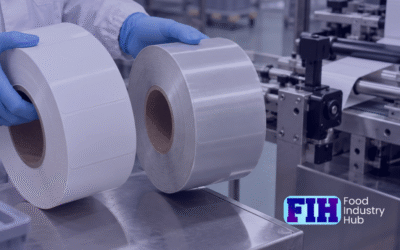
Suppose a partly used printed-packaging reel returns after a changeover. Its original label remains attached, but the protective wrap is missing and no one recorded how much was used. The label may still establish the item and lot; it does not establish whether the exposed portion is clean, protected or suitable for another run. The team needs to examine the actual condition, account for the remaining quantity as far as the process requires, restore effective protection and give the returned unit a clear identity and status. If exposure cannot be resolved, holding it for a technical decision is more honest than calling it available because it has a recognisable label.
This reverse movement is easy to miss in a process designed around receipt, storage and issue. Yet the next line may rely on exactly this returned material. Packaging separation where appropriate, protection against contamination and clear identification before suitable part-used packaging returns to stock preserve that next-use decision. The point is not to reject every opened unit. It is to make reuse depend on known condition rather than an assumption inherited from its first receipt.
Rotation selects suitable stock, not merely the oldest stock
Rotation is often described as an efficiency rule: use the oldest first and avoid waste. Its control purpose is more demanding. Stored raw materials, intermediate products and finished goods have manufacturing dates and prescribed shelf lives. Product or customer requirements may also set a minimum remaining life at dispatch. Time spent in stock and conditions experienced during that time affect whether a unit remains fit for the next use.
The oldest pallet is therefore not always the right pallet to select. It may be on hold, damaged, beyond an approved use window or unable to meet the destination's life requirement. A newer pallet may itself be unsuitable if its history is uncertain. The site needs a defined rotation method that can see eligibility as well as age, with an exception route when normal selection would conflict with product or customer requirements. The record should show why an exception was made and which stock was used instead. A universal slogan about first-in-first-out or first-expiring-first-out cannot replace the actual acceptance criteria.
Rotation also needs to survive operational shortcuts. If stock is moved into a convenient front location without a corresponding date or status check, a well-designed system can be defeated by a single pick. If a near-expiry lot is repeatedly bypassed, the site should understand whether this reflects demand, a customer-life constraint or an unrecognised quality concern. That pattern is feedback about the stock rule and purchasing or production decisions, rather than a reason to force use of unsuitable goods.
Dispatch is a final reconciliation of product and route
Before product leaves, dispatch has to bring together what earlier stages established. Is this the intended product and quantity, with the right lot and destination? Is it in a status that permits dispatch? Are its packaging and condition suitable for the route? Will the vehicle or container protect it during loading and transport? A completed warehouse pick does not answer all of these questions, and a clean-vehicle check does not prove that the correct eligible product was loaded.
Transport suitability is product-specific. Cleanliness, odour, damage protection, mixed-load restrictions, security and loading arrangement may matter in different combinations. Where a controlled temperature is required, the vehicle's ability to maintain it and evidence of what happened during the journey are separate issues. The dispatch hand-off should preserve enough product and route identity to connect later transport evidence to the actual load. It should also make clear who can act if a loading concern is found before the vehicle departs.
Before custody passes, the product's known status must be reconciled with a suitable route and a traceable destination. The information handed over should support action during the journey, not exist only as a completed form at the gate.
Deviations and returns reopen product status
A product can leave in an acceptable state and later encounter a refrigeration failure, delay, damage, accident, security concern or misroute. A returned unit may have a different custody and exposure history from one that never left the site. Prior release is evidence about the earlier decision; it does not settle the new question created by changed conditions. Nor does a return automatically mean the product is unfit. The decision depends on what happened, which units were exposed and what reliable evidence remains.
First identify and control the affected product so it cannot quietly re-enter available stock. Preserve lot, quantity, location, route and time information, along with available condition or temperature evidence. Then assess the nature and duration of the departure against the product's requirements. A vehicle fault record may locate the incident but still leave uncertainty about the product's actual exposure. Where evidence is incomplete, the status should express that uncertainty until an authorised decision resolves it.
Returns have an additional reverse-flow risk. The site needs to know what came back, from whom, under what custody and why. A return may be suitable for a defined route, require further assessment or need disposal. Each outcome requires a controlled status and traceable movement. Treating “returned” as a warehouse location rather than a decision state allows product to drift back toward picking before the evidence has been reviewed.
Use connected records to trace stock movement and status decisions
A useful stock record is a connected account of the unit's journey. It links identity and quantity at receipt to locations and conditions in storage, part-used returns or splits, rotation decisions, dispatch destination and any later exception. It also shows where status changed and on what authority. These connections let the business make daily choices: which lot can be picked, what was exposed by an alarm, whether a returned reel is suitable and which customer load might be affected by a transport event.
There is no benefit in collecting a large number of disconnected checks if the site cannot answer those questions. A temperature trace with no clear product window, a movement entry with no quantity, or a hold that exists only on a screen leaves a practical gap. Investigating such gaps should lead to changes in the hand-off itself: clearer unit identifiers, timely movement capture, physical and system status checks, or an explicit decision point for reverse flows. Record quality improves when the process makes the right information available at the moment it changes.
The test of storage and dispatch control is therefore whether the next team inherits a trustworthy position. A suitable store protects condition; disciplined movement preserves identity and status; rotation selects stock that is still eligible; dispatch reconciles product with route; and deviations or returns trigger a fresh, evidence-led decision. When those hand-offs stay connected, traceability becomes a working understanding of the material flow, not just a file assembled after something goes wrong.