Introduction
Food safety and quality are of paramount importance for food manufacturers, as they directly impact the health and well-being of customers, as well as the reputation and success of the company. Implementing a robust food safety and quality management system is essential for ensuring that food products produced by a company are safe for consumption and meet the highest quality standards. A well-developed food safety management system can help a company to comply with all relevant laws and regulations, and to build trust and credibility with consumers. A strong quality management system can help to improve customer satisfaction and reduce the likelihood of product defects or other issues.
A positive culture of food safety and quality is also essential to ensure that the company stays up to date with the latest food safety standards, regulations, and best practices, and that all employees have a sense of ownership and responsibility for food safety and quality. A culture oriented toward safety and quality values implies a level of buy-in across the organisation that would serve the intent of the quality management system in a way that mere adherence to procedural requirements cannot approach. The documented food safety and quality management system serves to organise and instruct, while a mature culture of safety and quality can fulfil the goals of the management system even in the absence of explicitly defined instructions and processes.
In this post, we will explore the advantages of having a well-developed and dependable food safety management system and the relationship between the food safety and quality management system and a food business’ food safety and quality culture.
Table of Contents
Benefits of The Food Safety and Quality Management System
One of the most significant benefits of implementing a robust and reliable food safety management system is the assurance that the food products produced by the company are safe for consumption. Through the identification and prevention of potential hazards in the manufacturing process, a food safety management system can effectively decrease the risk of food-borne illness and other health-related issues. This includes implementing good manufacturing practices, regular monitoring and testing, procedures for managing and responding to food safety incidents, training for employees, a hazard analysis and critical control points program, a system for managing suppliers, and accurate record keeping. By ensuring that food products are safe for consumption, a company can protect the health of its customers and avoid any potential legal or financial consequences that may arise from food safety incidents. It also helps to build trust and credibility with consumers which can lead to increased sales.
Having a comprehensive food safety management system in place can also assist a company in adhering to all applicable laws and regulations. This is crucial as non-compliance can result in severe consequences such as financial penalties, legal action, and damage to the company’s reputation. With a well-established food safety management system, a company can take the necessary steps to ensure that all regulations are met, and risks of non-compliance are minimised. This can include implementing procedures for monitoring and testing products, training employees on current regulations, and maintaining accurate records. By having these measures in place, a company can safeguard its reputation and avoid any negative consequences that may arise from non-compliance.
An additional benefit of implementing a documented food safety management system is the ability to establish trust and credibility with consumers. By showing a commitment to food safety, a company can demonstrate their dedication to producing food that is safe to eat, which can lead to increased customer satisfaction and loyalty. As a result, this can also lead to an increase in sales as customers are more likely to choose a company that they trust and have confidence in. A company with a solid food safety management system can attract customers who prioritise food safety and are willing to pay a premium for products produced by a company that meet the stringent safety standards. This can ultimately help the company to establish a reputation as a reputable supplier in the industry, leading to long-term growth and success.
Having a dependable food safety management system can also help a company to gain recognition and certifications. Many retailers, food service providers and customers prefer to do business with certified companies, and certifications such as HACCP, ISO 22000, BRCGS, IFS etc. demonstrate that a company has a robust food safety management system in place.
There are a range of advantages to food businesses that successfully implement a robust food safety and quality management system, which directly or indirectly add value to the organisation and its stakeholders. The benefits are derived from repeatable processes and activities that can be scaled across different individuals, departments, shifts, and product ranges. The value is rooted in a structure and assurance system that can be reliably applied over and over to business processed that deliver consistent outcomes.
The Relationship Between the Food Safety and Quality Management System and a Business’ Food Safety and Quality Culture
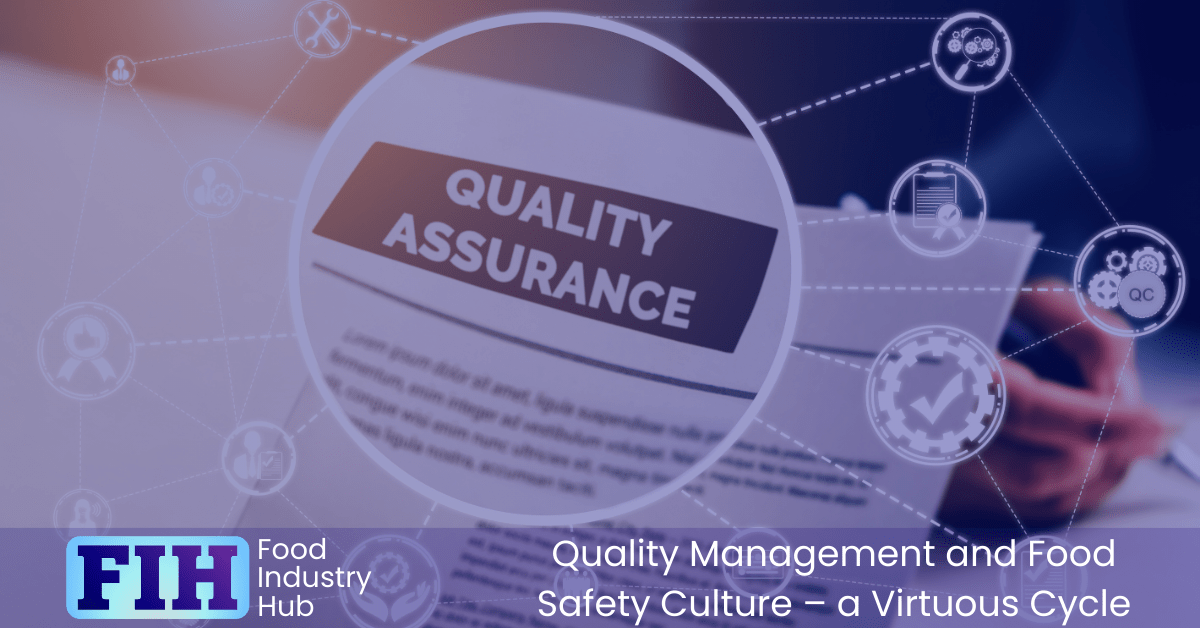
The relationship between the documented food safety and quality management system and a food business’ food safety and quality culture is interconnected and mutually supportive. The food safety and quality management system establishes the guidelines and protocols for ensuring that food is manufactured safely and to an excellent standard, while the food safety and quality culture provides the attitudes and actions that drive the success of the system.
Where the management system provides a framework of instructions and processes for operations, the culture determines how behaviours are applied – and whether the intent of the management system is achieved. To illustrate, the intent of the management system may be to safeguard product safety, quality, and integrity; but rigidly adhering to procedures may not always have that effect. Similarly, non-compliance with the expectations of the management system can often be attributed to a lack of buy-in and commitment – which relies on cultural values and beliefs.
The cliched example that’s always used is handwashing. The management system instructs staff to wash their hands, the culture determines whether or not they do. Really, the discussion goes to what actions are actually performed in the absence of managerial enforcement, and how aligned working practices are with the intent of the management system.
By creating a positive culture of food safety, manufacturers can ensure that the food safety and quality management system is implemented, maintained, and continuously improved. A robust food safety and quality management system can encourage a positive culture of food safety by setting clear expectations and standards, providing necessary resources and tools, promoting continuous improvement, involving employees, and recognising and rewarding good performance.
A culture of food safety and quality also encompasses the provision of education and training for all employees. By providing education and training on food safety and quality, food businesses can ensure that every individual working in the facility understands the significance of food safety and quality and is equipped with the knowledge and skills to comply with the procedures and protocols in place. This education and training can include topics such as good manufacturing practices, hazard analysis and critical control points, food safety regulations, and best practices. The impact of training and education on food safety and quality is influential on both management/organisational processes and cultural values, and is a perfect example of how the two topics overlap.
A strong food safety and quality culture also includes encouraging continuous improvement. This can help to identify and address any issues or weaknesses in the food safety and quality management system, and to make necessary changes to improve overall performance.
A culture of food safety and quality includes the active participation of all employees in the food safety and quality management system. This can help to ensure that everyone in the organisation is aware of their role in ensuring food safety and quality, and can create a sense of ownership and responsibility among employees for food safety and quality – furthering their understanding of how their actions can impact these areas.
A positive culture recognises and rewards good performance in food safety and quality. This can serve as an effective motivational tool, encouraging employees to take food safety and quality seriously and to strive for improvement in their performance. Recognition and rewards can include verbal or written acknowledgement, bonuses, promotions, or other forms of incentives. By providing recognition and rewards, it can help to build a sense of pride and accomplishment among employees, and create a culture of excellence in food safety and quality. It also serves as a way for management to show appreciation for the efforts of employees in maintaining and improving food safety and quality. The underlying purpose is to align the individual motivations of employees with the intent of the management system, so that incentives are complimentary to food safety and quality objectives and there is no conflict between individual motivations and the goals of the organisation.
In summary, a strong food safety and quality culture is essential for a food business to achieve its food safety and quality objectives. It starts with management’s commitment and leadership and includes education and training, continuous improvement, communication, transparency, and employee involvement. A strong food safety and quality culture can help to ensure that the food safety and quality management system is effectively implemented, maintained, and continuously improved.
Sign up for the Food Industry Hub Mail Service
Receive Food Industry Hub updates, resources, articles, tools and service developments direct to your inbox.
Each update helps you stay connected with new and relevant Food Industry Hub content, with links back to resources you may want to read, use or revisit.
How a Positive Culture of Food Safety Can Mitigate for Deficits in The Food Safety and Quality Management System
A proactive culture of food safety can help to mitigate for deficits in the food safety and quality management system by ensuring that all employees understand the importance of food safety and are motivated to follow the procedures and protocols in place. This can help to reduce the risk of food-borne illness and other health issues, even if the food safety and quality management system is not perfect.
We established earlier that the benefits of the food safety and quality management system are derived from repeatable processes and activities that can be scaled across different individuals, departments, shifts, and product ranges. Repeatability and standardisation can be coupled with an inflexibility and lack of capacity for exception-handling. By contrast, a mature culture of food safety and quality and enable businesses to adapt to unanticipated challenges while ensuring that the intent of the management system is upheld.
In other words, a positive culture oriented toward food safety and quality ideals will promote behaviours that are aligned with the objectives of the quality management system, even in cases where established procedures do not perfectly match the circumstances at play.
The culture of an organisation can also help to ensure that employees take food safety and quality seriously and strive to improve their performance. By recognising and rewarding good performance in food safety and quality, a positive culture of food safety can encourage employees to take ownership and responsibility for food safety and quality, and to strive to improve their performance.
How Excellent Food Safety Management Systems Can Encourage a Positive Culture of Food Safety
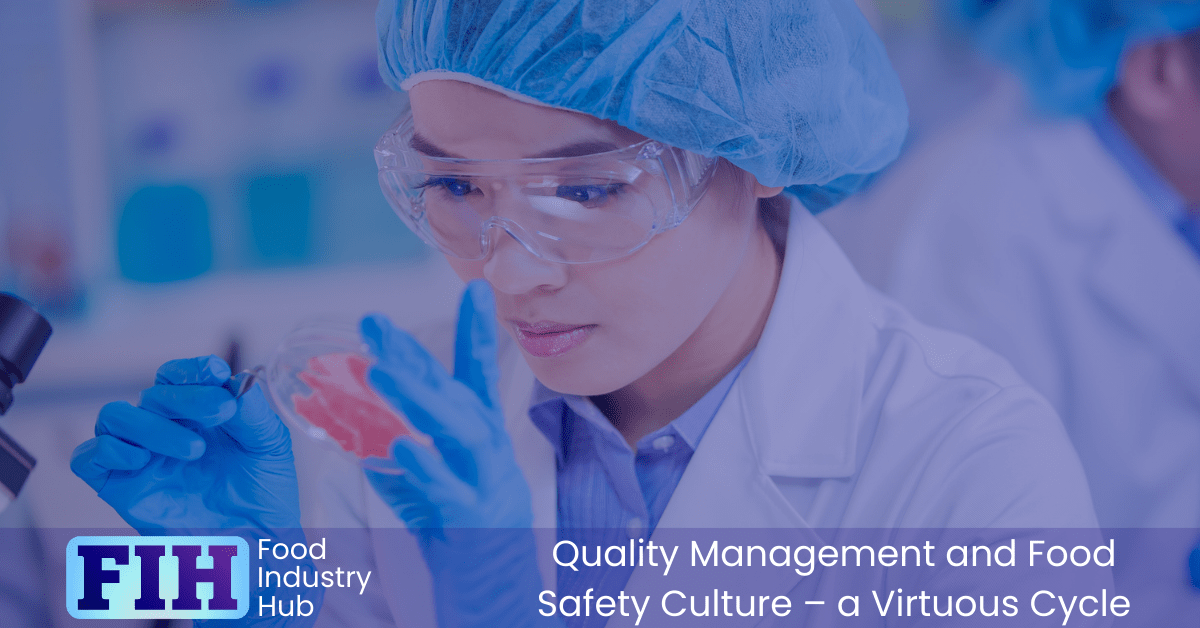
Excellent food safety management systems can encourage a positive culture of food safety by setting clear expectations and standards for food safety and quality. By providing a framework for ensuring that food is produced safely and to a high standard, an excellent food safety management system can help to ensure that all employees understand the importance of food safety and are motivated to follow the procedures and protocols in place.
The food safety management system can also foster a positive culture of food safety by providing the necessary resources and tools to aid employees in their job performance. This can include providing training and education on food safety and quality, as well as the necessary equipment and technology to guarantee that food is produced safely and to an excellent standard. This is a good way of establishing priorities and commitment, as well as avoiding frustration or mixed messages.
The food safety and quality management system can also encourage a positive culture of food safety by promoting a culture of continuous improvement. By regularly monitoring and testing food products, ingredients and the environment, an excellent food safety management system can help to identify and address any issues or weaknesses in the food safety and quality management system, and to make necessary changes to improve overall performance. This actively builds improvement activities into the processes that employees are exposed to on an ongoing basis, so continual improvement is a habitual and reinforced norm.
By actively engaging all employees in the food safety and quality management system, food businesses can ensure that everyone in the organisation has a sense of ownership and responsibility for food safety and quality. This can include involving employees in the development and implementation of food safety and quality procedures, regularly seeking their feedback and input, and providing opportunities for employee engagement and participation in continuous improvement efforts. Involving all employees in the food safety and quality management system can also foster a culture of open communication, in which employees feel comfortable raising concerns or identifying potential issues related to food safety and quality, and can be addressed in a timely manner.
In Summary
A well-developed and dependable food safety management system is crucial for ensuring that food products produced by a company are safe for consumption. It also helps the company to comply with relevant laws and regulations and to build trust and credibility with consumers.
A strong quality management system can help to improve customer satisfaction and reduce the likelihood of product defects or other issues. The food safety and quality management system and a food business’ food safety and quality culture are closely related and mutually reinforcing. A positive culture of food safety can help to ensure that the company stays up to date with the latest food safety standards, regulations, and best practices and that all employees have a sense of ownership and responsibility for food safety and quality. By providing education and training, involving all employees, recognising and rewarding good performance, and providing necessary resources and tools, an excellent food safety management system can encourage a positive culture of food safety. Overall, having a solid food safety and quality management system and culture in place can help to protect the health of customers, avoid costly penalties and legal action, and secure long-term growth and success for the company.
From The Food Industry Hub Knowledge Centre
Featured pages from The Food Industry Hub Knowledge Centre:
Further Resources
Food Industry Hub serves the food industry with a range of digital resources for the benefit of both commercial food manufacturers and food industry professionals.
For food manufacturers, we offer integrated management systems that give every user a direct interface with your QMS.
For food industry professionals, we provide an extensive signposting service in addition to informational content we hope you’ll find useful as you face new professional challenges. We have very ambitious plans to expand the range of services offered, and currently present informational content on management, safety and quality, and professional success.