The Role of Feedback in Food Safety and Quality Culture

The Food Industry Hub Blog

Food Industry Hub blog

The Food Industry Hub blog includes practical discussion for food manufacturing professionals across technical, cultural, management and professional themes.

This post is part of the category:

Introduction

In the complex landscape of food manufacturing, the influence of social feedback on shaping food safety and quality culture cannot be overstated. Your organisation’s success in maintaining high standards hinges on how effectively social interactions reinforce desired behaviours and values. From fostering a sense of responsibility to driving continuous improvement, the dynamics of social feedback can significantly impact the overall ethos of your workplace. But how exactly does this interplay unfold, and what strategies can be employed to harness its potential for enhancing food safety and quality practices within your business?

This post is part of a collection we’ve put together to explore the topic of food safety and quality culture, and you can explore the topic in more detail by browsing the related content.

Table of Contents

Key Takeaways

  • Social feedback reinforces positive behaviours and accountability.
  • Timely feedback motivates adherence to standards.
  • Recognition programs highlight exemplary behaviours.
  • Constructive feedback guides improvement in safety practices.
  • Encourage active engagement and continuous learning.
Social Feedback and Food Safety and Quality Culture

How Social Feedback Influences Food Safety and Quality Culture

Social feedback plays a crucial role in shaping the food safety and quality culture in food manufacturing. It serves as a powerful tool for reinforcing positive behaviours and addressing areas that require improvement.

Socially, you can think that we are both the shout and the echo. When we voice an opinion or take an action, the feedback and reactions from other people influence whether we do more of that type of thing or refrain from acting that way in the future. There is a continual process of action and social reaction that promotes or discourages behaviours and expressions.

It wouldn’t be possible to completely control the nature of feedback given by a social group, but there are things that we can do to influence and steer the values held by the group – and subsequently, the type of reinforcement at play.

By providing employees with timely feedback on their performance related to food safety and quality standards, businesses can enhance awareness and accountability. This, in turn, fosters a culture where every individual understands the significance of adhering to these standards in all aspects of their work.

Through social feedback mechanisms such as team discussions, peer evaluations, and recognition programs, employees are encouraged to actively engage in upholding food safety and quality values. Constructive feedback from colleagues and supervisors can help identify gaps in knowledge or practices and guide employees towards continuous learning and improvement.

Additionally, positive reinforcement through social recognition can motivate employees to consistently demonstrate behaviours that contribute to a strong food safety and quality culture. Ultimately, by leveraging social feedback effectively, food manufacturing businesses can create an environment where adherence to safety and quality standards becomes ingrained in the company’s DNA.

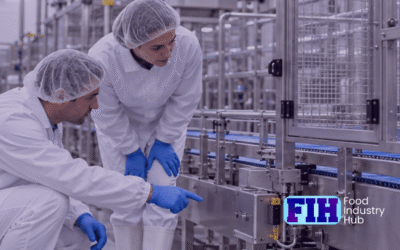
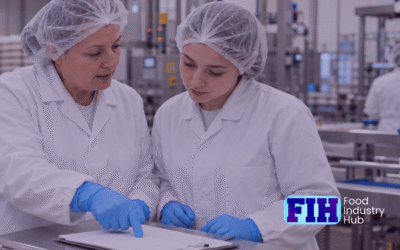
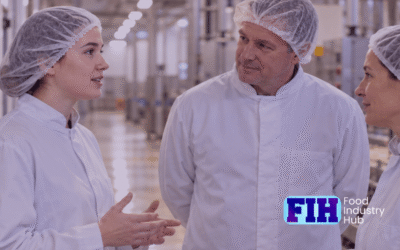
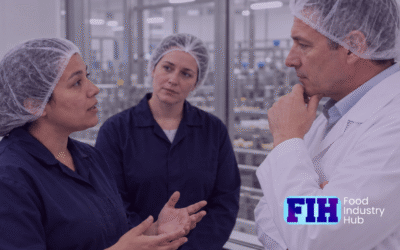
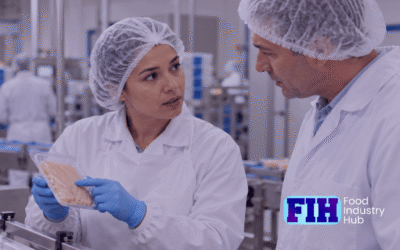
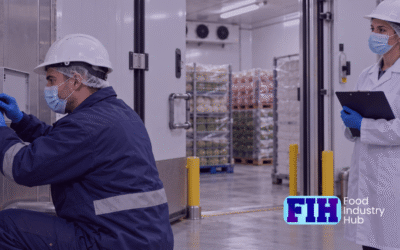
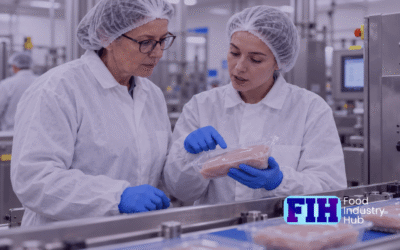
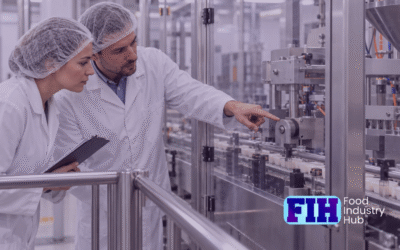
Social feedback plays a crucial role in shaping the food safety and quality culture

Positive Reinforcement of Food Safety and Quality Values

Positive reinforcement techniques are instrumental in cultivating a strong culture cantered around food safety and quality values. By acknowledging and rewarding employees who consistently adhere to food safety protocols and quality standards, businesses can reinforce the importance of these values throughout the organisation.

Positive feedback not only motivates individuals to maintain high standards but also fosters a sense of pride and ownership in upholding food safety practices.

Recognition programs, such as employee of the month awards or shoutouts during team meetings, can highlight exemplary behaviours and encourage others to follow suit. Additionally, providing constructive feedback in a positive manner can guide employees towards improvement without discouraging their efforts.

Regularly celebrating successes in food safety and quality compliance reinforces the desired behaviours and creates a culture where employees feel valued for their contributions to maintaining high standards.

Positive reinforcement helps establish a foundation of shared values and expectations that drive continuous improvement in food safety and quality practices.

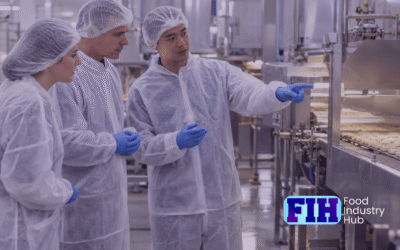
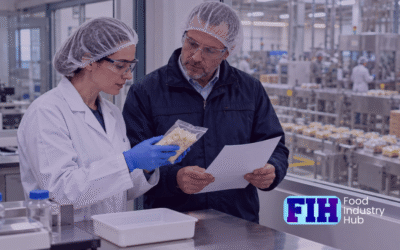
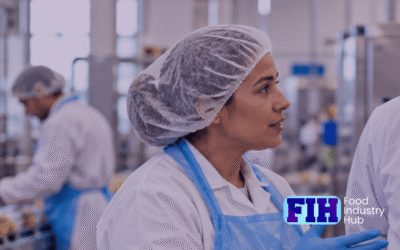
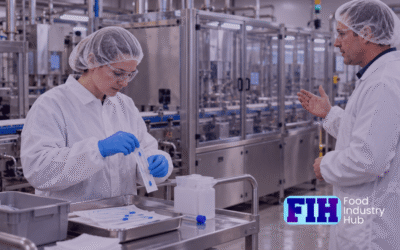
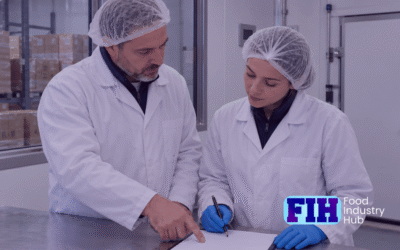
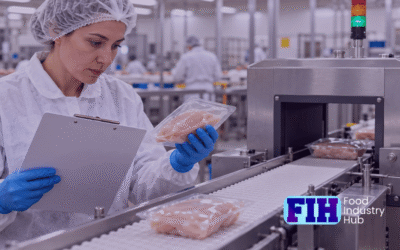
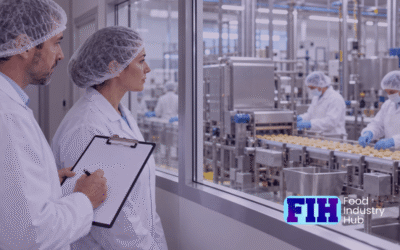
Reinforce food safety and quality values throughout the organisation

Erosion of Food Safety and Quality Values Through Undesirable Feedback

Undesirable feedback, such as criticism without constructive guidance, can gradually erode the food safety and quality values. When employees receive negative feedback without clear suggestions on how to improve, they may become disheartened and demotivated. This lack of direction can lead to confusion about what’s expected in terms of food safety and quality standards, ultimately resulting in a decline in adherence to food safety and quality ideals.

Consistent exposure to undesirable feedback can create a culture of fear and apprehension within the workforce. Employees may become hesitant to raise concerns or report issues related to food safety and quality, fearing further criticism. This can lead to problems being overlooked or left unaddressed, posing significant risks to the business’s reputation and consumer safety.

To combat the erosion of food safety and quality values caused by undesirable feedback, it’s essential for management to provide constructive criticism and guidance to employees. Encouraging open communication, offering support for improvement, and recognising efforts to maintain high standards can help reinforce a positive food safety and quality culture throughout the business.

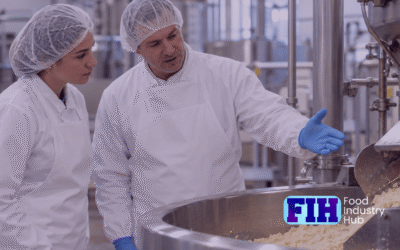
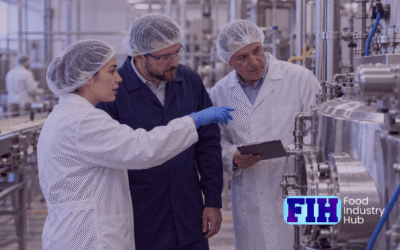
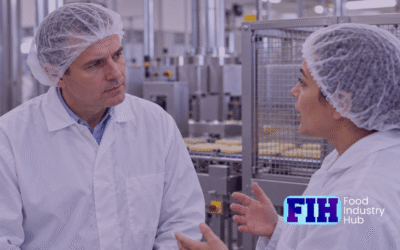
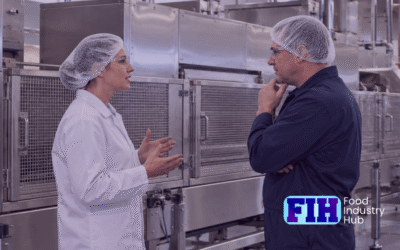
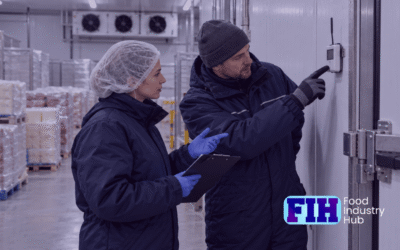
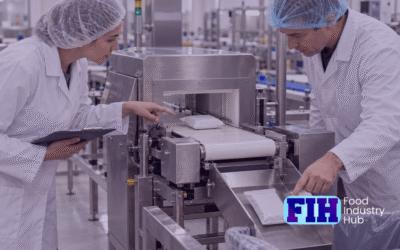
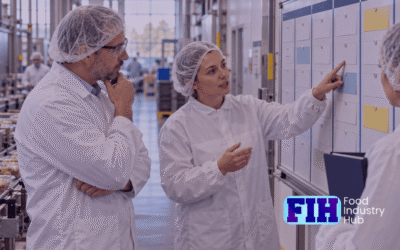
Provide constructive criticism and guidance to employees

Steering and Developing Social Norms

Social norms are the unwritten rules that govern behaviour within a group, influencing how individuals perceive and engage with food safety and quality practices. By actively shaping these norms, you can create a cohesive environment where employees prioritise adherence to protocols and hold each other accountable.

To steer social norms effectively, lead by example. Demonstrate your commitment to food safety and quality through your actions and decisions. Encourage open communication channels that allow employees to voice concerns and suggestions. Consistent reinforcement of desired behaviours through positive feedback and recognition can help solidify these norms within your organisation.

Developing social norms requires time and persistence. Consistency in messaging, training, and reinforcement is key to embedding a culture that values and upholds food safety and quality. By fostering a collective understanding and respect for these principles, you can establish a strong foundation for sustained excellence in your operations.
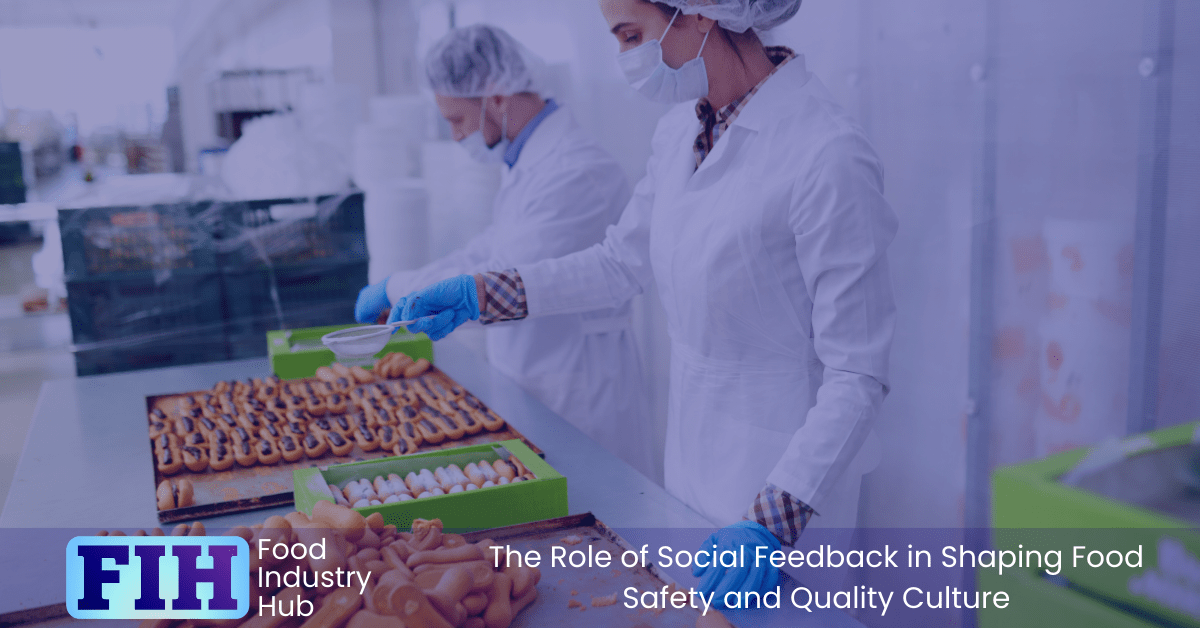
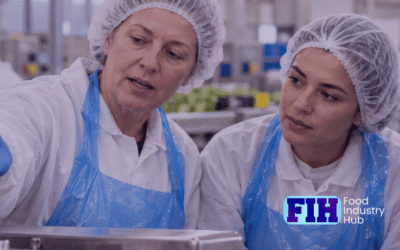
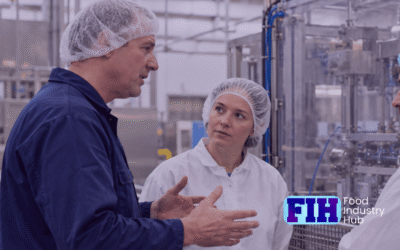
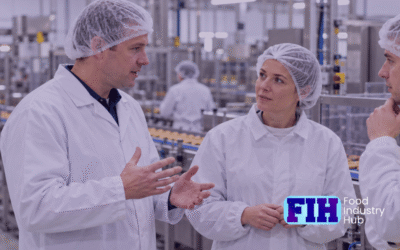
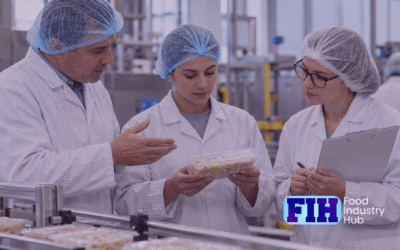
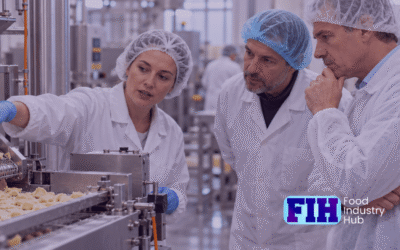
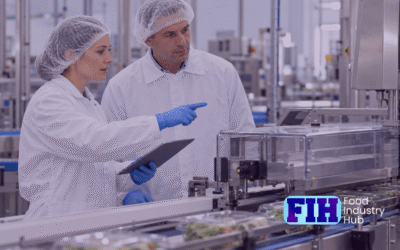
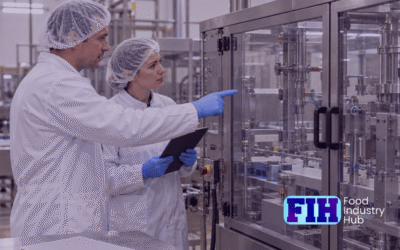
Demonstrate your commitment to food safety and quality

Sign-up for the Food Industry Hub Mail Service

We regularly produce new content for food industry professionals, and the Food Industry Hub Mail Service is the best way to stay up to date with the latest additions.

Signup today to be added to the Food Industry Hub mailing list.

How To Promote Food Safety and Quality Values Throughout a Social Group

Demonstrate a strong commitment to food safety and quality values to instil a culture of excellence within your social group. Lead by example by consistently following food safety protocols, adhering to quality standards, and actively promoting these values in your interactions.

Encourage open communication within the group, emphasising the importance of voicing concerns or suggestions related to food safety and quality. Foster a collaborative environment where team members feel empowered to contribute to the improvement of processes and practices.

Provide regular training sessions to educate employees on the latest food safety assurance processes, quality control measures, and best practices. Recognise and reward individuals who demonstrate outstanding commitment to upholding food safety and quality values, reinforcing the importance of these principles throughout the group.

Use positive reinforcement techniques to motivate continued adherence to these values, creating a culture where food safety and quality are top priorities for everyone.
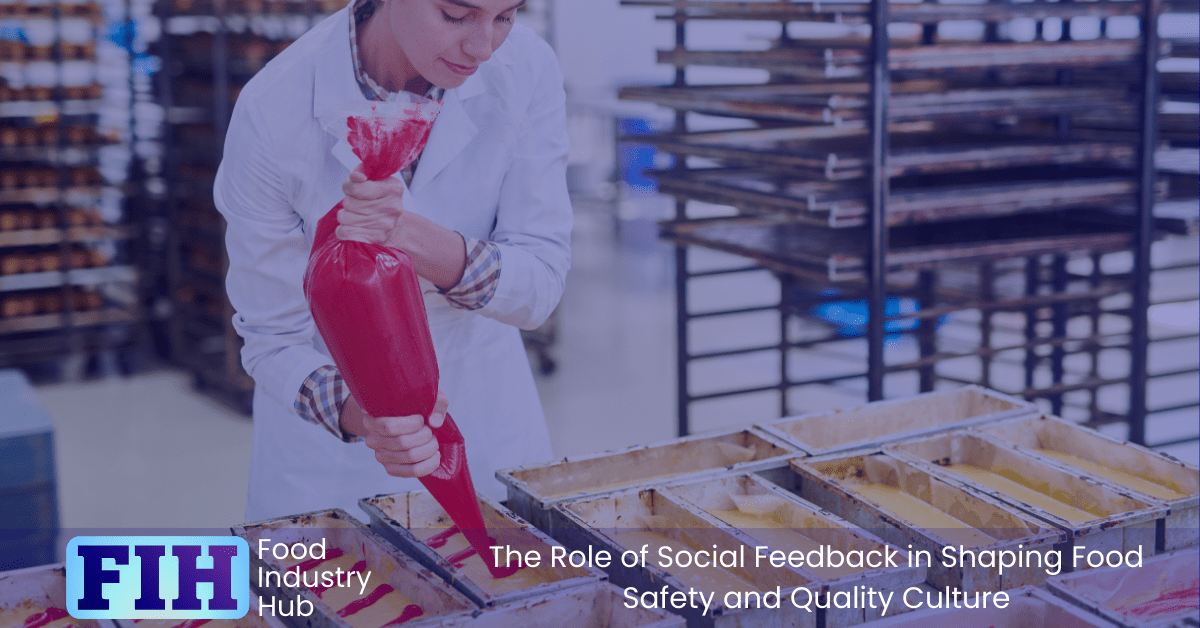
Demonstrate a strong commitment to food safety and quality values

Influences From Management

Management plays a pivotal role in shaping the attitudes and behaviours of employees towards food safety and quality within a food manufacturing business. Effective leadership from management sets the tone for the entire organisation and influences how seriously employees take food safety protocols. When management prioritises and actively promotes a culture of food safety and quality, employees are more likely to follow suit. This can be achieved through consistent communication, providing adequate resources for training, and leading by example in adhering to food safety standards.

The policies and procedures put in place by management play a crucial role in guiding employees on the necessary steps to ensure food safety and quality. Clear guidelines, regular audits, and feedback mechanisms from management help employees understand the importance of their role in upholding these standards.

Management also plays a key role in fostering a work environment where employees feel comfortable reporting any potential food safety issues without fear of retribution. By demonstrating a commitment to food safety and quality, management sets the foundation for a strong food safety culture.

Non-Management Voices and Opinions

Employees at all levels of a food manufacturing business play a significant role in shaping the culture of food safety and quality through their voices and opinions. Non-management voices and opinions are particularly crucial as they often represent the frontline workers directly involved in the production processes. These employees observe daily operations, identify potential risks, and offer valuable insights that can enhance food safety protocols.

Non-management staff members can provide a unique perspective on operational challenges, quality control issues, and areas for improvement. Their feedback can highlight practical solutions that may have been overlooked by higher-level management.

By actively engaging with non-management voices and opinions, a food manufacturing business can foster a culture of transparency, collaboration, and continuous improvement in food safety and quality practices.

Keep in mind, Kaizen encourages a deferential stance to be taken in regard to non-managerial inputs. This is because the individuals who directly carry out tasks and are exposed two operational challenges are arguably best placed to present opportunities for improvement.

Encouraging open communication channels for non-management employees to voice their concerns, suggestions, and observations is essential for creating a robust food safety and quality culture. These inputs can lead to more effective strategies, enhanced training programs, and ultimately, safer products for consumers.
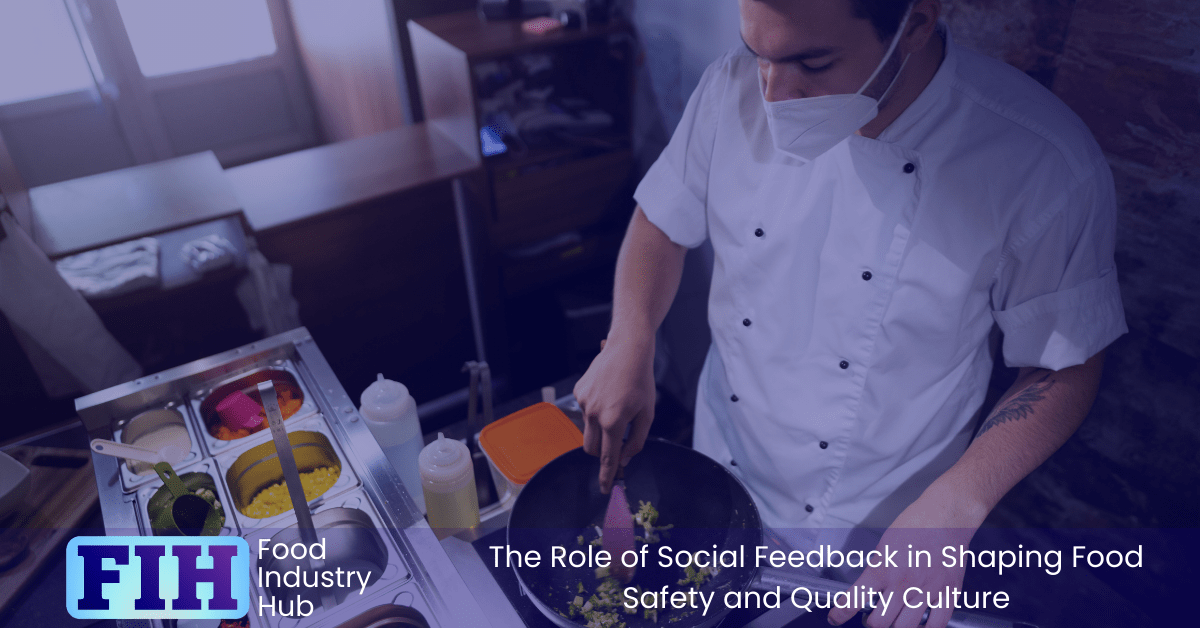
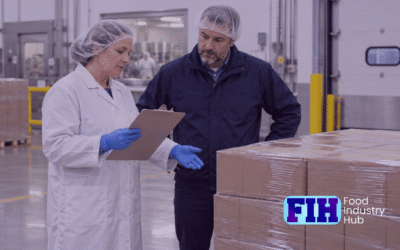
Foster a culture of transparency, collaboration, and continuous improvement

In Summary

Social feedback is a powerful tool in shaping the food safety and quality culture within a food manufacturing business. By providing positive reinforcement, identifying areas for improvement, and promoting accountability, social feedback plays a crucial role in fostering a culture of excellence and continuous improvement.

It’s essential for both management and non-management voices to actively engage in providing constructive feedback to ensure that food safety and quality values are upheld throughout the organisation.

From The Food Industry Hub Knowledge Centre

Featured pages from The Food Industry Hub Knowledge Centre:

Know: Food Safety and Quality Culture

Know: Food Safety and Quality Culture Development Plan

Further Resources

Food Industry Hub serves the food industry with a range of digital resources for the benefit of both commercial food manufacturers and food industry professionals.

For food manufacturers, we offer integrated management systems that give every user a direct interface with your QMS.

For food industry professionals, we provide an extensive signposting service in addition to informational content we hope you’ll find useful as you face new professional challenges. We have very ambitious plans to expand the range of services offered, and currently present informational content on management, safety and quality, food safety and quality culture, and professional success.


Identifying and Ranking Values for Culture Alignment

Identifying and Ranking Values for Culture Alignment

What truly defines your company’s culture? While policies, procedures, and training play a role, the foundation of a strong food safety and quality culture lies in the values your business upholds. These values shape the way decisions are made, the priorities that are protected, and the attitudes employees develop toward their work. However, in a food manufacturing environment, competing priorities—such as production efficiency, cost control, and commercial performance—can create tension with food safety and quality commitments. Without a clear structure for resolving these conflicts, the company’s culture risks becoming inconsistent, reactive, or misaligned with its intended priorities.

To create a strong, values-driven culture, businesses must first identify the full range of values that influence their operations—including those related to food safety, quality, financial sustainability, and employee well-being. Then, they must rank these values in a hierarchy that provides clarity when conflicts arise. A well-defined ranking ensures that when priorities compete, there is no ambiguity about which values take precedence. This not only strengthens decision-making at all levels but also provides employees with the confidence to act in alignment with the company’s long-term commitments.

Food Safety and Quality Culture: Fundamental Principles

Food Safety and Quality Culture: Fundamental Principles

IntroductionCreating a culture of food safety and quality is essential for any food manufacturing business aiming to maintain high standards, protect consumer health, and uphold its reputation. It involves more than just meeting regulatory requirements; it requires a...

Values, Attitudes, and Behaviours: A Culture of Safety and Quality

Values, Attitudes, and Behaviours: A Culture of Safety and Quality

IntroductionThe culture of safety and quality within your organisation is not just dictated by policies and procedures; it's shaped by the values you espouse, the attitudes you cultivate, and the behaviours you reward. So how do you ensure that the values you've put...

Discussion: Food Safety and Quality Culture

Discussion: Food Safety and Quality Culture

IntroductionOn Friday 30th August 2024, Food Industry Hub’s Duncan Lacey joined Bryan Armentrout on The Food Leadership Group Food Safety Chat Live! to discuss food safety and quality culture. You can watch a recording of the chat here, and the transcript is shown...

Using Peer Pressure for Food Safety and Quality Culture Development

Using Peer Pressure for Food Safety and Quality Culture Development

IntroductionConsider the power of positive peer pressure in shaping the culture of food safety and quality in your organisation. You've seen how it can sway behaviours in other aspects, but have you ever considered harnessing it to encourage adherence to food safety...

Ecosystem Influences on Food Safety and Quality Culture

Ecosystem Influences on Food Safety and Quality Culture

In a food manufacturing business, the ecosystem surrounding food safety and quality is a multifaceted web of influences. From suppliers ensuring top-notch materials to consumers demanding transparency, each stakeholder adds a crucial layer to the culture. But have you considered the hidden impacts of external factors like market trends and global supply chains on this delicate balance? These unseen forces can shape the very foundation of how food safety and quality are perceived and upheld within the industry.

Food Safety Culture: An Organisational Walkthrough

Food Safety Culture: An Organisational Walkthrough

Food safety and quality culture is not separate to organisational systems or business structure. In reality, organisational culture is a characteristic -and expression- of the organisation, and manifests throughout all levels.
In this post, we’ll explore the interplay of organisational constructs and the food safety and quality culture throughout a food manufacturing business.
Read on to find out the influences of different organisational systems on food safety culture, how to influence and exert control over your food safety and quality culture, and How the culture of food safety and quality exists within the bigger picture of your organisation.

Applying Metrics for Food Safety and Quality Culture Measurement

Applying Metrics for Food Safety and Quality Culture Measurement

Are you clear on how to measure/assess the maturity of your food safety and quality culture?

It can seem hard to apply objective metrics to culture, but there are ways to substantiate improvement.

Read here for examples of how you can apply metrics for food safety and quality culture measurement.

A Comprehensive Guide to Food Safety and Quality Culture Improvement

A Comprehensive Guide to Food Safety and Quality Culture Improvement

In this post, we’ll discuss the nature of food safety and quality culture and how it’s defined. We’ll touch on measurement/evaluation and how best to assess your food safety and quality culture. We’ll also go on to explore some of the ways you can improve and develop your culture of food safety and quality.

How To Achieve Culture Change in Your Food Manufacturing Business

How To Achieve Culture Change in Your Food Manufacturing Business

So, you’ve noticed that your food manufacturing business could use a culture revamp. But how do you actually make that happen?
It’s not just about setting goals and hoping for the best. There’s a strategic process involved that requires commitment and finesse.
Let’s explore the key steps that will not only transform your organisational culture but also ensure long-term success in this competitive industry.

Leveraging Game Theory Principals to Improve the Food Safety and Quality Culture in Your Food Business

Leveraging Game Theory Principals to Improve the Food Safety and Quality Culture in Your Food Business

In food manufacturing, developing and maintaining mature culture of food safety and quality culture is of the utmost importance. That’s where leveraging game theory principles comes into play. Game theory addresses interactions between individuals and/or groups, so taking advantage of this strategic approach can give you a toolset for influencing those interactions. In turn, this can support your efforts to foster a culture that not only ensures the safety and quality of your products but also enhances the overall efficiency of your operations.


Using Behavioural Sciences to Improve the Food Safety and Quality Culture in Your Food Business

Using Behavioural Sciences to Improve the Food Safety and Quality Culture in Your Food Business

As you stand in your food manufacturing facility, contemplating the intricacies of maintaining a strong food safety and quality culture, you may find yourself wondering if there are ways to improve and enhance the attitudes and behaviours of your employees. The field of behavioural economics holds great promise in offering insights and strategies to achieve just that.


By applying the principles of behavioural sciences, you can create a workplace environment that not only promotes safer food practices but also fosters a culture of excellence and quality assurance. So, how exactly can behavioural economics help you accomplish this?

Quality Management and Food Safety Culture – a Virtuous Cycle

Quality Management and Food Safety Culture – a Virtuous Cycle

A culture oriented toward safety and quality values implies a level of buy-in across the organisation that would serve the intent of the quality management system in a way that mere adherence to procedural requirements cannot approach. The documented food safety and quality management system serves to organise and instruct, while a mature culture of safety and quality can fulfil the goals of the management system even in the absence of explicitly defined instructions and processes.

In this post, we will explore the advantages of having a well-developed and dependable food safety management system and the relationship between the food safety and quality management system and a food business’ food safety and quality culture.

Data Processing for Food Safety and Quality Culture Development

Data Processing for Food Safety and Quality Culture Development

There’s a lot about culture that seems very subjective and removed from objective data, but data interactions can be among the most powerful tools organisations have when making strategic interventions to their food safety and quality culture. This post explores data-handling by organisations, looking at collecting, assessing, and reacting to data; and some of the effects that this can have of food safety and quality culture development.

Building a Strong Quality Culture with a Systematic Approach

Building a Strong Quality Culture with a Systematic Approach

Many compliance standards now include requirements for food businesses to demonstrate the development and improvement of their food safety and quality culture. This post explores systemic influences on culture and offers suggestions for how to promote your businesses’ food safety and quality culture through systematic interactions.

10 Ways To Improve Your Food Safety and Quality Culture

10 Ways To Improve Your Food Safety and Quality Culture

Food safety and quality culture can be a difficult thing to address because of the intangible nature of the topic. In this post, we offer actionable suggestions for initiatives that you can use to develop a culture of food safety and quality.

How To Intentionally Develop a Culture of Food Safety and Quality

How To Intentionally Develop a Culture of Food Safety and Quality

This is intended to provide a framework that you can use to assess and improve your food safety and quality culture. We’ll explore how to align values and encourage their adoption. We’ll also discuss ways to address conflicts for mutual benefit. All of this will lead to a methodology for implementing your food safety and quality culture development plan.

How Food Safety and Quality Culture is Organically Formed

How Food Safety and Quality Culture is Organically Formed

Every organisation has a food safety and quality culture, whether it has been intentionally shaped or allowed to develop organically. In this post, we’ll explore some of the easily overlooked factors that may influence the organic formation of internal culture.

Food Safety and Quality Culture – Prerequisites

Food Safety and Quality Culture – Prerequisites

There are a few conditions that need to be met in order to establish a strong culture of food safety and quality, so in this post we’ll explore some of the success criteria for a mature culture of safety and quality.

Understanding Food Safety and Quality Culture

Understanding Food Safety and Quality Culture

In this post, we’ll look at organisational culture and how food safety and quality culture fits into it. We’ll explore attitudes, behaviours, and interactions with the internal culture. We’ll also address the relationship between food safety and quality culture and compliance with management structures, as well as the significance of culture of food safety and quality performance.

Food Industry Hub blog

The Food Industry Hub blog includes practical discussion for food manufacturing professionals across technical, cultural, management and professional themes.

This post is part of the category:

Stay connected with Food Industry Hub

Receive Food Industry Hub updates, resources and practical content for food manufacturing businesses and professionals.

Stay informed about new resources, articles, tools and Food Industry Hub service developments.