A customer complaint may be resolved promptly and still reveal a weakness that remains in production. Replacing a pack, explaining a result or issuing a credit can close the individual case. None of those actions shows that the same defect will not reach another customer. Equally, opening a formal corrective-action case for every allegation can bury the significant signals in low-value administration.
The decision is whether the available evidence points beyond case-level correction to a control problem that needs an owner, cause investigation, managed action and effectiveness check. That decision can change as evidence develops. Complaint handling provides the market observation and customer response; CAPA provides the disciplined route to prevent recurrence. The connection only works if the original evidence survives the hand-off and the resulting action reaches the specification, process, supplier or other control capable of changing the outcome.
Protect product while the evidence is still uncertain
Do not wait for a completed root-cause investigation before considering immediate consequence. Establish what was reported, which product and pack are involved, when and where it was bought or used, and whether the alleged defect could affect safety or legality. Preserve photographs, packaging, batch codes, the customer's account and any returned sample with its custody history. An unclear report is still useful information; it should be labelled as unconfirmed rather than treated as either proof or noise.
Ask what product may share the same exposure. Batch and production dates are a starting point, but the affected boundary may depend on common materials, equipment, settings, personnel, packaging stock or distribution conditions. Use traceability and production records to define an initial scope. If a credible risk could affect stock on site or in the market, place relevant product under the site's status and incident decision process. The protective decision may be precautionary and later narrowed. Complaint response, product control and CAPA can proceed in parallel, with distinct owners and records.
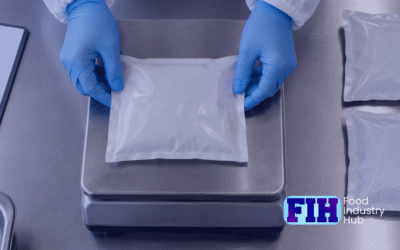
Consider a report of a weak seal on a food pack. The team needs to know whether the pack was leaking when received, whether it is from a format or run with similar concerns, and whether shelf life or contamination could be affected. The returned pack may have been damaged after sale, so its condition alone cannot prove the manufacturing cause. Yet possible product exposure may require immediate review of stock and released lots. The right initial response is proportionate to credible consequence, not delayed until the precise mechanism is settled.
Capture the customer-facing response separately from technical conclusions. A prompt acknowledgement and clear next step matter, but an early statement that the issue is isolated can become misleading if the investigation later finds a pattern. Record what is known, what is being checked, what protective action has been taken and who can update the customer. This makes the communication useful without allowing the service deadline to dictate the technical finding.
Decide when case handling needs formal CAPA
Some cases can be resolved within the complaint process: the evidence supports an isolated event, any product consequence is addressed, and no wider control change is indicated. Formal CAPA is more appropriate when there is a significant consequence, a repeated or emerging pattern, evidence of systemic non-conformity, or a change that needs coordinated work across functions. A single serious complaint can cross that threshold without waiting for a trend. Conversely, a count of similar allegations does not by itself prove a shared manufacturing cause.
Look at severity, credible scope and recurrence together. Compare the current report with previous cases using defect descriptions that capture the mechanism, not just broad customer-service labels. Search for related symptoms recorded under different terms, and consider units made, sold and exposed when interpreting frequency. A rise in complaints may reflect more sales or improved reporting; a flat count can conceal deterioration if volume has fallen. Trend review should challenge the classification and denominator before drawing a causal conclusion.
The hand-off decision should be explicit. State the reason for CAPA, the provisional problem boundary, what evidence remains uncertain and which immediate corrections or product actions are already under way. If the threshold is not met, document why and specify what new information would trigger escalation. A site need not impose one numeric trigger on every defect type. A foreign-body allegation, a labelling concern and a minor cosmetic issue have different credible consequences and evidence needs.
Complaint handling and CAPA have different closure questions. The complaint case can close when the customer response and case-level disposition are complete under the site's process. The CAPA should remain open, or remain in a monitored effectiveness state, until the underlying control issue has been addressed and tested. The two records can have different dates without losing their link. Closing the complaint must not erase an unresolved corrective obligation.
Carry the complaint evidence across the hand-off
A CAPA record should not begin with a vague phrase such as 'customer dissatisfied' or 'operator error'. Transfer the complaint identifier, product and batch context, samples and custody, images, investigation findings, similar cases, product-status decisions and unresolved questions. Define the observed defect precisely enough to test a cause. For the hypothetical weak seal, that could include seal position, channel or contamination appearance, pack format, lot, line, time and any test result. The complaint allegation and the confirmed condition should remain distinguishable.
Link the CAPA to the original case rather than copying a partial narrative into a new system and letting the two diverge. Name who owns the technical investigation, who owns customer communication, who controls affected product and who can approve an upstream change. Where production, packaging development, engineering, purchasing or a supplier holds needed evidence, set a clear request and due point. This preserves ownership while allowing the complaint team to remain informed.
Build the chronology. Compare the reported product with retained samples where meaningful, packing-line checks, seal settings, equipment condition, material specifications, deviations, maintenance work and distribution information. A clean line check does not rule out an intermittent fault, just as a damaged returned pack does not establish that the line made it. Record what each source can and cannot show. Missing evidence is itself a limitation on the conclusion and may prompt a wider precautionary decision.
Keep hypotheses open long enough to discriminate among them. A weak seal could reflect a film property, a setup window, jaw wear, product trapped in the seal, handling damage or a combination. Test these against the pattern by time, line, product and distribution route. The objective is not to fill a root-cause field quickly. It is to identify the mechanism well enough that the chosen action can plausibly prevent recurrence. If evidence supports only a narrower finding, state that limit and design follow-up accordingly.
Change the control that can prevent recurrence
An action belongs where the mechanism is controlled. If the seal problem arises from a poorly defined setup range, the process specification, setup instruction, verification and change approval may need revision. If jaw wear is causal, maintenance inspection and replacement criteria may matter. If a film property is outside the intended use, packaging specification and supplier assurance are relevant. If damage occurs in transit, distribution protection or handling is the proper route. The complaint system records the signal; it is seldom the control that physically prevents the defect.
This distinction keeps action proportionate. Retraining can help when a clear instruction was not followed and the conditions made compliance realistic. It is weak as a default response to an unclear process window, unsuitable material or recurring equipment condition. Adding a final check may improve detection, but should not be presented as removal of the cause if the process continues to make defective packs. Choose action against the supported mechanism, with a responsible owner, implementation date and evidence of the changed state.
Where a specification, setting, material, design or supplier requirement changes, manage its dependencies. Confirm technical acceptance, affected product and stock, effective dates, revised documents, staff instructions and any validation or trial needed before routine use. A changed document that has not reached the line or purchasing system is not an implemented correction. If the action crosses a supplier boundary, agree what evidence the supplier must provide and what the site will verify on receipt and use.
The hypothetical seal investigation might show that a particular film and pack format needs a narrower operating window than the existing setup instruction allows. The relevant action would then include defining and proving a suitable window, updating the approved settings and checks, controlling the first affected runs and checking that operators can hold the process there. If the evidence instead implicates transit damage, changing sealer settings would add complexity without addressing the cause. The action decision should remain faithful to the finding.
Test the changed control in production and review market feedback
Separate evidence that an action was implemented from evidence that it worked. A revised specification, completed maintenance job or signed instruction proves a task occurred. Verify that the new condition operates in representative production: relevant products, shifts, speeds, materials and changeovers should be included where they could expose the old failure. Review process results and pack integrity against defined acceptance criteria. If the issue was intermittent, a single clean start-up sample is a narrow test.
Market feedback is slower and less complete than on-line evidence, but it remains relevant. Set an observation period and a way to review related complaints, returns and customer information. Interpret the absence of new cases against sales volume, distribution time, complaint lag and classification quality. A short quiet period after low production does not prove recurrence has been prevented. Conversely, a new case should be assessed for whether it reflects stock made before the action, a different mechanism or failure of the new control.
The CAPA owner should decide whether the evidence supports closure, continued monitoring or a revised investigation. Document the reason, not only the date. Feed the finding to the people who own the updated process, specification, maintenance plan, supplier control or distribution arrangement, and make sure the complaint team can recognise future related signals. Trend and management review can then see both the original market problem and whether the operating control changed.
The durable outcome is a traceable line from complaint evidence to product protection, a proportionate CAPA decision, a tested cause, an implemented change in the owning control and evidence after use. The customer case may have been closed much earlier. System learning is complete only when the organisation can explain what changed in the work that produced or exposed the defect, and why the same problem is less likely to reach another customer.