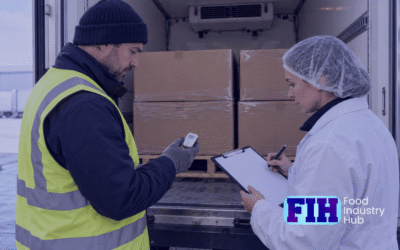
The order is picked, the pallets match the customer paperwork and the transport company sends a replacement trailer. It looks clean. Yet nobody has established whether its refrigeration system can maintain the product's required condition with this load and route. Loading it because the stock is ready would turn a completed warehouse check into an uncontrolled distribution decision.
Dispatch is the last point at which the site can bring several forms of readiness together before product leaves its direct control. The right product must be releasable, identifiable, counted and going to the right destination. The vehicle or container must suit that product, and the loading and transport plan must preserve the conditions on which its safety and quality depend. For temperature-sensitive goods, evidence that a transport system is capable and evidence of what happened on an actual journey answer different questions. A clean-vehicle check or a temperature printout alone cannot settle the whole decision.
Reconcile the consignment before it leaves site control
Start with the physical load and the order it is meant to fulfil. Confirm product identity, batch or handling-unit references, quantities, destination and any special conditions. Check that the stock is in the correct release state, including any holds, positive-release criteria or customer-specific restrictions that apply. A pallet can be physically present on a loading bay while its system status still prevents dispatch. Conversely, a system may show an order as ready while a wrong or unlabelled pallet stands at the door.
The departure check should connect the units actually loaded to the records that will travel with them. Traceability is weakened if a manifest describes an order but cannot be tied back to the pallet IDs or batches in the vehicle. Where an order was split or substituted, confirm the change against the release status and destination rather than assuming the original picking record still describes the load. A quantity difference is not merely a billing problem if it means a held unit may have been included or a dispatched unit cannot later be found.
Sequence also matters. Product that was eligible when picked may be placed on hold before loading. A vehicle can be changed after an earlier inspection. The final gate should therefore be close enough to departure to reflect the actual product, vehicle and conditions. If a material fact changes after the check, repeat the relevant part of the decision. A tick on a morning form should not authorize a different trailer or a later stock substitution by default.
Decide what happens when an element does not reconcile. The wrong pallet may be replaced; a count may be corrected with physical verification; a held unit may need to remain segregated; an unverified destination may require an order clarification. The remedy should address the discrepancy before departure, and the decision record should show which consignment was finally released. Simply changing paperwork to match a convenient load can hide the original problem.
Judge vehicle suitability against the actual product
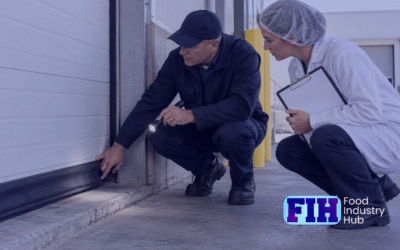
A vehicle inspection is useful only when it asks whether that vehicle can protect this product on this journey. Cleanliness is one part. Strong odours can taint some products even when the trailer appears swept. Damage, gaps, leaks, pests, insecure doors or an unsuitable previous load may create other exposure routes. The significance depends on the product's packaging, intended temperature, route, security needs and loading arrangement.
Look at the surfaces and equipment that will touch or surround the load. Is the load space dry and in a condition that prevents damage? Are restraint and stacking arrangements suitable for the cases or containers? Can air circulate where temperature control relies on it? Could a mixed load introduce incompatible products, odours or handling risks? The answer may differ for sealed ambient cartons and chilled goods with strict conditions. A generic clean/dirty verdict loses these distinctions.
Previous-load information deserves a reasoned check when it can affect the current product. The issue may be residual odour, contamination, allergens, chemicals or incompatible mixed goods. A documented cleaning history can help, but the receiving condition still needs to be judged. A vehicle that fails a relevant requirement should be corrected, replaced or rejected through the site's defined route. Pressure to meet a departure slot does not make it fit for purpose.
In the replacement-trailer example, the team can inspect its condition and identify its refrigeration unit, loading space and operating history. If the required capability cannot be shown for the planned chilled load, a clean appearance is insufficient. A proven alternative trailer, a different load plan or suitable additional evidence may resolve the gap. Until then, the product remains under site control rather than being loaded into an uncertain environment.
Vehicle acceptance should be recorded against the actual trailer or container and the consignment. This makes a later transport issue investigable: which unit carried which product, what was checked, who accepted it and what limitations were known? The record is evidence of a decision, not a substitute for the inspection itself.
Separate temperature capability from journey evidence
Where temperature is decision-critical, capability asks whether the transport arrangement can maintain the required product condition under relevant circumstances. The answer may depend on minimum and maximum load, ambient conditions, journey length, door openings, preconditioning, airflow and the position of product in the vehicle. Testing or validation should cover conditions relevant to actual use, with assumptions clear enough that a dispatcher can recognize when a planned journey falls outside them.
A capable system is not automatically operating correctly today. The refrigeration unit may be set incorrectly, preconditioning may be incomplete, doors may stand open during loading, or a breakdown may occur. Actual-journey monitoring records what happened for the particular consignment. Depending on the system, this may be an interrogable data logger or checks of refrigeration operation at defined intervals. The record needs to be linked to the load and reviewed when it is available, particularly if an alarm or delay occurred.
These two types of evidence cannot replace each other. A good journey trace from one short, lightly loaded trip does not establish capability for a longer route in hotter conditions or a different loading pattern. A validation from a previous test does not prove the unit maintained conditions on a journey with multiple door openings. Both are useful when the product requires temperature control, but each supports a different inference.
The measurement point matters too. A vehicle air-temperature reading is not always the same as the temperature experienced by every product unit. Interpret it in the context of probe placement, loading layout, time out of control and the product's thermal behavior. Avoid promising that a single reading proves every case remained within condition. Where uncertainty remains, the site needs a product assessment rather than an automatic pass based on one number.
Keep control through loading, transit and exceptions
The loading plan should preserve the vehicle condition established before product arrived. Minimize unnecessary door-open time where relevant, maintain airflow, protect packs from crushing or contact with unsuitable surfaces, and keep incompatible goods separated. Confirm the final load matches the accepted consignment and record the hand-off to the carrier. Security arrangements may matter during stops or unattended periods, so they belong in the transport plan rather than being left to an assumption after departure.
The departure decision can now be expressed plainly: the identified product is released and traceable; the destination and quantity match; the accepted vehicle suits the product; the loading arrangement is compatible with required conditions; and the applicable monitoring route is ready. If one element is unresolved, the site should hold the departure or define a justified alternate control. The person authorising the hand-off needs the actual evidence, not just a green status assembled from disconnected checks.
Control continues after the gate. A breakdown, delay, accident, temperature excursion or loss of security can change the product's status. The carrier and site need a route for prompt notification, preservation of time and temperature or other relevant evidence, and a decision about the affected product. The response may involve continued transport under control, transfer to another vehicle, hold at destination or another disposition. Which action is right depends on the event, product and evidence.
Suppose the replacement trailer was ultimately accepted, but its journey record later shows a refrigeration interruption. The original validation demonstrates what the system could do under its defined conditions; it does not erase the interruption. The site must establish the time, duration, load, product exposure and any corroborating readings, then decide status through its authorised process. A favourable reading after restart does not alone settle what happened during the gap.
Dispatch assurance is therefore a chain rather than a single checkpoint. It begins with the correct, released consignment, passes through vehicle fitness and a credible transport plan, and ends with actual journey evidence and a response to exceptions. The final hand-off succeeds when each piece answers the decision it was meant to support and the product can still be found and assessed if conditions change after departure.