A pallet may seem to stop changing when it reaches a warehouse location. In reality, storage is a continuing part of product control. Temperature, humidity or atmosphere can drift; packaging can be damaged; stock can lose a clear status or pass its useful life. The question is not simply whether space is available. The site must know what each material or product needs while it waits, whether the storage arrangement can provide it under real use, and whether current evidence shows those conditions are being maintained.
That creates two kinds of proof. Capability evidence asks whether the facility can hold the required product condition in the circumstances it is expected to face. Monitoring evidence asks what happened during a particular period. One favourable reading cannot establish capability across the store, and a capability study cannot replace daily attention to an alarm. When performance is challenged, the site must then make a separate decision about potentially affected stock. Resetting a signal may restore a display; it does not decide what happened to product.
Treat stored stock as product still under control
Storage requirements begin with the item, not the room. Raw materials, part-used packaging, in-process goods and finished product may need different protection from contamination, deterioration, damage and environmental change. Some products require specified temperatures. Others may depend on humidity or a particular atmosphere. Even where no specialist environment is needed, the facility and handling procedures must keep stock suitable for its intended use. A risk-based storage procedure should reflect those distinctions and be understood by the people who receive, move, inspect and release stock.
Identity and status are also part of condition. An intact pallet can still become unusable if its batch identity is lost, its hold status is obscured or it is selected outside its prescribed shelf life. Stock rotation must make the intended order of use workable and visible. Packaging needs protection from contamination and deterioration; suitable part-used packaging must remain protected and clearly identified before returning to storage. A warehouse layout that makes held and released stock easy to confuse undermines a control even if the air is perfectly conditioned.
The site should consider changes that happen during the wait. A new stock profile may raise the load on a cold store. A different pallet height may obstruct air circulation or inspection. Repeated damage at a rack end may affect packaging integrity. These are not automatic failures, but they show why a store is not a neutral holding place. Warehouse and Technical teams need a route to notice a changed condition, protect stock where necessary and revisit the assumptions under which the storage arrangement was accepted.
Prove the space can hold the required conditions
Where temperature control is required, each storage area should be capable of keeping product temperature within specification. Capability is about the actual product condition, under relevant operating conditions. A refrigeration unit's rating or a display reading in an empty room is not enough by itself. The site needs evidence that the space can maintain suitable conditions when loaded, accessed and operated in the ways expected. Depending on the store, door opening, stock density, local positions, defrost cycles, recovery after loading and equipment performance may matter. The relevant test and acceptance criteria follow the product and facility; no single study design fits every store.
Capability and operation should be separated. A store may be well designed yet run outside its proven envelope because too much warm stock is introduced, doors remain open or airflow is blocked. Conversely, a sequence of compliant routine readings may not show what happens at the least favourable location or during a demanding receipt. The site should know what the capability evidence covered and use the area within those bounds. If the product, load or operating pattern changes materially, the original evidence may need review.
Resilience is part of that question where interruption is credible. A refrigeration fault, defrost problem or loss of power may affect how long the store can protect product before action is needed. The site does not have to prove that no failure can occur; it needs to understand the vulnerable conditions, how they will be detected and what options exist for moving or protecting stock. An emergency transfer route has its own demands: available capacity, identity preservation and an acceptance check at the receiving space. A plan that assumes unlimited spare cold capacity without checking it is weak evidence of protection.
Product temperature and air temperature are related but not identical. Product can warm or cool more slowly than the surrounding air, and packaging or pallet position can change the rate. That does not make air readings useless; they are often a practical monitoring signal. It means their relationship to the specified product condition must be understood. A sensor placed near a cooling outlet may show a compliant value while a more exposed location behaves differently. The site needs a reasoned connection between measured air, facility capability and the product it is protecting.
Monitor storage temperature at suitable locations and intervals
Routine monitoring answers whether the area is currently operating within the conditions assumed by the storage control. Where temperature control is required, the site can use temperature-recording equipment with suitable alarms or a system of recorded manual checks. Manual checks must be frequent enough to permit intervention before product temperatures exceed defined safety, legality or quality limits. Neither route is automatically superior in every setting. The choice depends on how quickly the condition can change, how product responds, the hours of operation and who can act on a warning.
A monitoring plan should identify what is measured, where, how often, against which trigger and by whom. It should also establish what happens if the record is missing, the sensor fails or a result is unexpected. A logger may provide a detailed curve but no useful intervention if its alarm is ignored. A manual check can be valuable when its timing and response match the risk, but a gap between checks may obscure the start of an excursion. Device position, maintenance and measurement confidence affect how the evidence is interpreted. The recorded number is a signal about the environment, not a direct verdict on every pallet.
Alarm ownership matters across shifts and out-of-hours periods. Who receives the alert, how is receipt confirmed, and who can control stock while the cause is still uncertain? If a person silences a nuisance alarm because the door is often open at goods-in, repeated signals may be hiding an operating pattern that exceeds the store's assumptions. Reviewing the timing and reason for alarms can expose a mismatch between loading practice and capability. The site should distinguish a false signal from a real event through evidence, not by habitually resetting the system.
When monitoring is stable, it supports continued operation within the demonstrated capability. It should not be used to claim that the store could cope with conditions never tested, such as a different stock load or prolonged door opening. The site should periodically compare monitoring and operational experience with the capability assumptions. Repeated recovery delays or local hot spots may call for a revised loading method, maintenance or a new assessment even before product limits are exceeded.
Turn an alarm into a product-status decision
An alarm or excursion first needs confirmation. Was the signal real, was the sensor working and when did the condition start? The next question is exposure: which stock was present, where was it placed, how long might it have been affected and what product condition can reasonably be inferred? The site may need to stop movement or place affected stock in a controlled status while it gathers evidence. It should assess product specifications and shelf-life implications, not merely compare the final air reading with a set point. Technical or another authorised decision maker must determine disposition under the site's system.
Consider a constructed cold-store example. During a busy receipt, a door is left open and an air-temperature alarm activates. The door is closed and the display returns to normal. That restoration does not answer whether the new pallets or stock nearest the door exceeded their product specification. The team checks the time profile, door history, sensor position, stock map, product condition and the facility's known recovery behaviour. It may find that some stock had little credible exposure while other stock needs a hold and further assessment.
The response should also investigate why the excursion occurred and whether the underlying condition can recur. A damaged door, failed refrigeration unit, changed loading routine or unclear alarm ownership calls for different corrective work. Resetting the alarm, repairing equipment and deciding product status are related but distinct tasks. Records should show the event window, affected stock, evidence and uncertainty, temporary control, authorised status decision and restoration of the storage control. If the cause is not resolved, continued monitoring may need additional protection or restrictions.
Specify and maintain controlled-atmosphere storage conditions
Some storage arrangements use a controlled atmosphere or another specified environmental condition as part of preservation. The label on the equipment does not demonstrate that the intended environment was achieved. The site should define the required condition for the product, control it effectively and retain records showing what happened during storage. Equipment capability, sealing, loading, access and monitoring all influence whether that condition is actually maintained. The exact gas composition, humidity range or control technology depends on the product and system.
The same decision structure applies when a condition deviates. Confirm the result, establish the duration and affected stock, assess what the departure could mean for the product, and control status until an authorised decision is made. A return to the target reading does not reverse a possible effect during the excursion. The assessment may differ from a cold-store alarm because atmosphere can influence preservation through a different mechanism. The site needs evidence suited to that mechanism, rather than a generic “environmental deviation” box that hides what changed.
Check outside-stored materials before they return
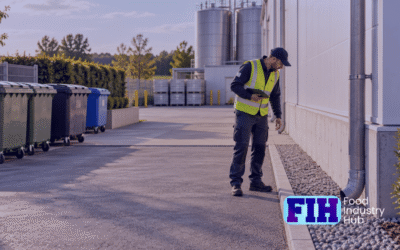
Outside storage creates a boundary between external exposure and the controlled factory. Where it is necessary, stored items need protection from contamination and deterioration. Weather, pests, dust, damaged covers, vehicle movement and security or identity uncertainty may all be relevant depending on the material. The site should define what may be kept outside, how it is protected and how status is maintained. Packaging and raw materials deserve particular attention because they can carry external conditions into production even if they are later moved to an indoor rack.
Before an outside-stored item comes into the factory, its suitability must be checked. That check should match the exposure: condition of wrapping, evidence of moisture or damage, intact identity, pest signs and whether any specified storage condition was maintained. A sealed-looking outer wrap can conceal deterioration or loss of identification, so the acceptance method should reflect the material and risk. The decision may be to accept, inspect further, clean or transfer packaging under a defined procedure, or hold the item. A routine goods-movement scan alone is not necessarily a suitability check.
Re-entry is not only a physical movement. It is a transfer of confidence from a less controlled environment to a more controlled one. The person accepting the material needs criteria and authority, and an uncertain item should not silently become available for use. If outside storage repeatedly produces damage or cleaning effort, the site should revisit whether the protection and storage location are appropriate, not merely increase the volume of re-entry checks.
Connect product specifications, storage capability, monitoring and stock decisions
The useful record is a connected account of what the site promised to protect and what actually occurred. It links product specification, facility capability, operating limits, monitoring point and response trigger to stock identity and status. It also shows what happened after an excursion: evidence, decision and corrective action. These elements can live in different systems, but people must be able to connect them when they need to decide whether product remained suitable.
Review the arrangement when products, loads, layouts or use patterns change, and when monitoring reveals repeated or unexplained events. A capability study should influence how the store is operated; routine readings should test the conditions assumed by that study; an alarm should lead to a reasoned product decision. Storage remains a controlled stage throughout the wait, not a pause in which the product's condition is taken on trust.