An operator may notice a change in a machine long before its next planned maintenance visit. Engineering may know that the same component has needed adjustment several times. Each view can improve equipment reliability, but only if the observations reach a person who can assess them and the work is planned with the right competence and authority.
Total Productive Maintenance, usually called TPM, offers a way to organise that shared effort. Production contributes routine care and knowledge of equipment during use; Engineering contributes specialist maintenance and technical assessment; managers align time, priorities and response. The approach becomes weaker when “shared ownership” is left vague. An operator's ability to notice an abnormality does not by itself authorise a repair, and a completed checklist does not establish that the machine is in sound condition.
Reliability starts with shared condition information
Equipment condition changes while people are using, cleaning, adjusting and maintaining a line. Production staff can see how a machine starts, runs and behaves across shifts. Engineering staff can see its maintenance history, recurring faults and the technical demands of repair. TPM brings these perspectives into the same reliability conversation so that planned work and improvement respond to what is happening, not only to the last breakdown.
The information has to be specific enough to act on. “Machine unreliable” leaves a technician to rediscover the problem. A report that identifies the equipment, the condition observed, when it occurred and whether it recurred gives Engineering a starting point. Engineering can then compare it with earlier work or condition checks and decide whether investigation, planned maintenance or immediate action is appropriate. Production's observation is valuable evidence about operation; it is not a diagnosis of the underlying fault.
Managers have a different contribution. They decide whether the reporting route is usable during a busy shift, whether Engineering has capacity to respond, and whether a recurring issue receives planned attention rather than another temporary adjustment. When priorities conflict, the decision should include the expected consequence of deferral, the production schedule and any control implications. A reliability meeting that only shares a list of faults has not yet resolved the resource or decision problem.
Shared visibility also needs feedback. If an operator reports a changed condition and hears nothing further, the next observation may be recorded less carefully or treated as routine noise. A response need not promise an immediate repair. It should establish whether the issue was assessed, what action or monitoring follows, who owns it and what the operator should do if the condition changes. That closes the information loop without pretending that every concern has the same urgency.
Give routine operator care a defined scope
Autonomous maintenance is often associated with operators taking part in basic equipment care. The useful work may include observing condition, completing defined checks, cleaning accessible parts or performing a simple task that the site has assessed and authorised. The exact task list depends on the equipment, access, hazards, hygiene arrangements and the competence of the people doing it. “Autonomous” describes an organised contribution to reliability, not unrestricted permission to work on a machine.
A good task description makes the boundary visible. It identifies what to look for, what normal and abnormal conditions mean for reporting, what an operator may do, and when to stop and escalate. A check for an unusual sound, damaged guard or fluid trace may be within an operator's observation role. Removing a guard, diagnosing an electrical fault or altering a setting may require specialist competence and separate controls. The boundary should be designed for the actual machine and work, rather than borrowed from a generic TPM task list.
Cleaning deserves particular care in food manufacturing. It can help reveal condition and keep equipment usable, but the work may also be governed by hygiene methods and release arrangements. Assigning a cleaning task to an operator does not make the hygiene purpose optional or give that person authority to change the method. Managers should involve the function responsible for the control when routine care overlaps with cleaning or product protection, and make the approved task and its limits clear to the people carrying it out.
Competence is more than attendance at a briefing. People need to recognise the condition they are asked to check, perform any permitted action safely and know what they must leave for Engineering or another authorised role. Supervisors need enough understanding to respond when a task falls outside its defined scope. Time matters too: a nominal daily check squeezed into a production start-up that allows no access or attention is unlikely to produce dependable observations. The work needs a realistic place in the shift and a route for questions when equipment changes.
Turn abnormalities into Engineering action
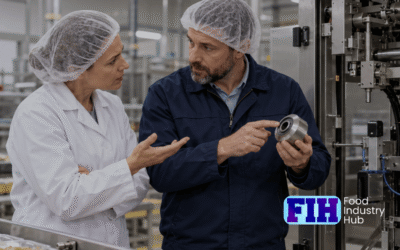
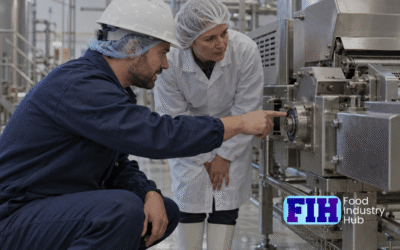
Consider an illustrative line where an operator notices a new rattling sound during a defined start-up check. The operator records which machine is affected, when the sound appears and whether it changes as the line runs. The site's instructions define the immediate response, including whether operation should stop and how quickly the finding must be escalated. Those decisions cannot be inferred from the sound alone, and the operator does not need to name the faulty component to make the report useful.
Engineering receives the observation and compares it with the equipment's condition and repair history. A technician may inspect the machine, decide whether specialist work is needed and identify any effect on the next planned maintenance window. If the condition could affect product, hygiene or another controlled outcome, the relevant authorised functions need to assess those implications under the site's arrangements. The sequence depends on what is found; a reported abnormality is not automatically a failure, and an apparent repair is not automatically a return-to-service decision.
The hand-off works only if someone owns the response. A report that enters a queue with no triage may be formally recorded yet operationally ignored. Managers should decide which conditions require immediate escalation, who reviews less urgent findings, how repeat reports are recognised and how an unresolved issue reaches a person with authority to allocate time. They also need a way to tell operators what action was taken, especially if continued monitoring is part of the decision.
Earlier detection can give the site more choices than a breakdown during production, but it does not guarantee prevention. The value comes from the whole chain: an observation that is accurate enough to assess, an appropriate response, the capacity to do the work, and evidence that the condition was resolved or is being controlled. Counting abnormality reports alone can reward visibility while leaving the underlying equipment problem in place.
Keep planned maintenance and hand-back visible
TPM can fail as a management practice if routine operator checks grow while planned Engineering work is repeatedly postponed. Operators may find the same condition sooner, yet the site gains little if repairs, preventive maintenance or condition-monitoring tasks have no protected time. Managers should compare the effort needed for planned work with the interruptions and repeat adjustments that occur when it is deferred. The goal is a credible maintenance plan that can be adjusted as condition evidence changes, not a schedule preserved on paper while urgent work consumes every available window.
Recurring faults deserve particular attention. A short adjustment that restores production may be sensible in the moment, but repeated adjustment can indicate that the cause or maintenance requirement needs review. Engineering may need to investigate, specify a more durable repair or revise the maintenance interval. Production can show when the symptom appears and what it does to running performance. Management can then decide how to provide the time, parts and access needed to address it. Those contributions are complementary rather than interchangeable.
Temporary work also needs a route to permanent resolution. A repair that keeps a line running under defined conditions should not disappear from the plan once the immediate interruption ends. Its limits, follow-up and timing need to remain visible to those who schedule and operate the equipment. Where work could affect product safety or legality, the relevant controls have to be respected rather than inferred from the fact that the machine runs again.
After maintenance, the work of returning equipment to production is distinct from the repair itself. Food-manufacturing arrangements may call for cleaning or hygiene clearance and an authorised inspection to confirm that contamination hazards from the work have been removed. The people who perform those checks and accept equipment back into operation must follow the site's defined responsibilities. A technician's completion of the repair and an operator's successful test run are useful pieces of information, but neither should silently replace the required hand-back decision.
This is where a shared reliability approach earns its coordination. Production needs to know when equipment will be available and under what conditions. Engineering needs access and realistic time to complete its work. Hygiene, Technical or Quality may need to contribute to clearance or product decisions. Managers should make these interfaces workable before the next urgent stop, rather than treating them as paperwork to settle after the machine has restarted.
Review equipment results, not only completed checks
A TPM programme can produce a growing number of checklists, observations and meetings without changing equipment performance. Those activities are useful only insofar as they reveal condition, support timely action and help prevent avoidable loss. Managers need to look at what happened after findings were raised: response time, repeat faults, unplanned stops, planned-work completion and whether repaired equipment stayed in acceptable condition during ordinary use.
The interpretation requires care. More recorded abnormalities may mean condition is worsening, or it may mean staff have become better at noticing and reporting them. Fewer breakdowns over a short period may reflect a lighter production mix rather than better maintenance. Comparing like conditions where practicable and examining the actual work behind a trend helps distinguish a plausible improvement from a flattering activity count.
Review should also test the task boundary. If operators repeatedly encounter conditions they cannot safely assess, the check may need clearer instructions or a different owner. If reports regularly wait for Engineering response, the issue may be capacity or priority rather than operator diligence. If planned work is completed but the same failure returns, the maintenance content or diagnosis may need review. A shared system learns from these patterns instead of asking one team to carry more of the same work.
TPM becomes useful when routine care, specialist maintenance and management follow-through reinforce one another. Operators can help expose changes in condition early; Engineering can assess and address the technical problem; managers can protect the resources and decision path that make both contributions count. Clear boundaries make that shared reliability practical, because they let more people contribute without confusing observation, repair and authority to return equipment to use.