Food Safety and Quality Culture – Prerequisites

The Food Industry Hub Blog

Food Industry Hub blog

The Food Industry Hub blog includes practical discussion for food manufacturing professionals across technical, cultural, management and professional themes.

This post is part of the category:

Introduction

Food safety and quality culture can seem like a challenging subject. There’s something intangible about it that can make it difficult to identify how to approach – let alone improve – the culture of safety and quality.

There are a few conditions that need to be met in order to establish a strong culture of food safety and quality, so in this post we’ll explore some of the success criteria for a mature culture of safety and quality.

This post is part of a collection we’ve put together to explore the topic of food safety and quality culture, and you can explore the topic in more detail by browsing the related content.

Table of Contents

○ Harmonious Alignment of Values

○ Appropriate Resource

○ Embracing The Principals and Understanding ROI

○ Eliminate Blame

○ FAQ

○ In Summary

Harmonious Alignment of Values

Food safety and quality culture is a component of organisational culture – it is not something separate and distinct.

There must be harmonious alignment between the total organisational culture and the sub-set concerned with food safety and quality. In cases where food safety and quality values are in conflict with other business concerns such as revenue generation, all internal stakeholders should be in alignment over the order of priorities, and the degree to which quality and safety ideals should be upheld relative to other ideals the business must service. Compromise is often necessary, but if everyone is unified around a clear set of values and priorities, then the ideals of the business (including food safety and quality ideals) will be proportionately evident throughout operations and decision-making.

The total organisational culture upholds many values – and many of them might appear to be in conflict with one another.

Stereotypically, a person from the sales department might value ‘revenue’ highly. The same person might be perfectly well disposed toward quality and safety, but those things may not be representative of this person’s most heartfelt values. Appropriately, the actions of this person would have next to no impact on safety or quality.

A person working in the quality department may value ‘quality’ and ‘safety’ highly, with a tolerant attitude toward revenue generation. Of course, creating revenue is something that the business has to do… but it’s simply not very interesting from the perspective of a person who’s attention is so focussed on preventing unacceptable quality, or unsafe, product from being placed on the market.

Under most circumstances, these separately held values and attitudes don’t appreciably affect one another. Occasionally, though, stock has to be placed on QC hold, and a range of competing values suddenly come into conflict.

Do you short, delay, or fail to deliver on a customer order? Do you release potentially harmful product onto the market? Do you dispatch defective quality product, and risk alienating your customer?

In situations like this, a cohesive organisational culture should not place the quality function in conflict with the sales function. Instead, people in both the quality function and the sales function should be in agreement over how the businesses’ interests can be best served, given it’s established priorities.

In practice, this could actually be an intentional management intervention. In instances of conflicts in ideals (at any management tier), a decision-making group could come together to resolve the agreed path as a result of a risk assessment considering the conflicting values. Applied to the scenario of stock placed on hold, this might include:

○ Reputational risk from releasing defective quality product.
○ Customer relationship risk from defaulting on any aspect of a customer order.
○ Consumer health risk from releasing unsafe product.
○ Alignment with any other values entered by a member of the decision-making group.
○ Practical restrictions such as cash flow and resource availability.

Not only does this kind of harmonious alignment of food safety and quality values with organisational values remove cross-functional conflict, but it actually sets the scene for better solutions. If everyone’s in agreement over what compromises are necessary, it’s easier to make suggestions on how to satisfy as many concerns as possible within the situational constraints.

Appropriate Resource

Every business activity comes with associated costs, and this is no exception. Organisational behaviour must reflect the values of decision-makers – so organisations that genuinely uphold food safety and quality ideals will be expected to put their money where their mouth is, and properly resource food safety and quality undertakings.

Suppose a mixer has capacity to produce 1 mix every 17 minutes, and requires a cleaning cycle once every 80 mixes, and scheduled maintenance every 1000 mixes + every 2 weeks. Operationally, all relevant departments should ensure that downtime is scheduled for cleaning and maintenance, hygiene operatives and consumables are available. Production operators, hygiene staff, and engineers are all trained in the proper operation and maintenance of the mixer. Ongoing, the planning department should extrapolate shift output around the capacity of the equipment and associated deductions to production availability. Targets should not be adjusted to ‘squeeze out extra efficiency’.

This same principal applies across all functions. A process set up primarily to serve a commercial purpose should not be over-operated to the detriment of food safety and quality values. People and organisations commit resources to things that they sincerely value, and are reluctant to allocate resource to things that don’t really seem like priorities. The things is, it’s obvious to everyone that that’s what’s happening. If fabrication issues are developing throughout the factory and there’s no training budget, there’s really no point in claiming that quality and safety are priorities. Proper resourcing is crucial for the following reasons:

Compliance and Regulatory Requirements: Inadequate resources can lead to non-compliance with food safety regulations and standards, which may result in legal and financial consequences. Proper resourcing ensures that the necessary processes, documentation, and controls are in place to meet regulatory requirements.

Risk Management: Food safety and quality risks are inherent in manufacturing processes. Without adequate resources, a manufacturer might struggle to identify and address potential hazards effectively, leading to a higher likelihood of foodborne illnesses, product recalls, and other safety issues.

Training and Education: Proper training and education of employees are essential for a strong food safety and quality culture. Without adequate resources, employees may not receive the necessary training to understand and follow proper procedures, potentially leading to mistakes and safety breaches.

Monitoring and Testing: Regular monitoring, testing, and analysis of raw materials, production processes, and finished products are critical for ensuring food safety and quality. Inadequate resources can hinder the ability to conduct thorough testing and analysis, increasing the risk of product defects or contamination going unnoticed.

Infrastructure and Equipment Maintenance: Food safety and quality can be compromised if equipment is not properly maintained. Inadequate resources can lead to delays in equipment maintenance, calibration, and replacement, which may impact the accuracy and reliability of manufacturing processes.

Continuous Improvement: Without sufficient resources, it’s challenging to invest in data analysis, corrective actions, and continuous improvement initiatives. This can prevent the manufacturer from identifying and addressing recurring issues effectively.

Consumer Trust and Reputation: Inadequate food safety and quality measures can lead to negative consumer perceptions and damaged reputation. Properly resourcing these systems is vital for maintaining consumer trust and ensuring the long-term success of the brand.

Note, this isn’t even intended to be an exhaustive list. This is just a few examples of why it’s essential to properly resource food safety and quality concerns. It’s not feasible to establish quality and safety as values if you don’t really value them.
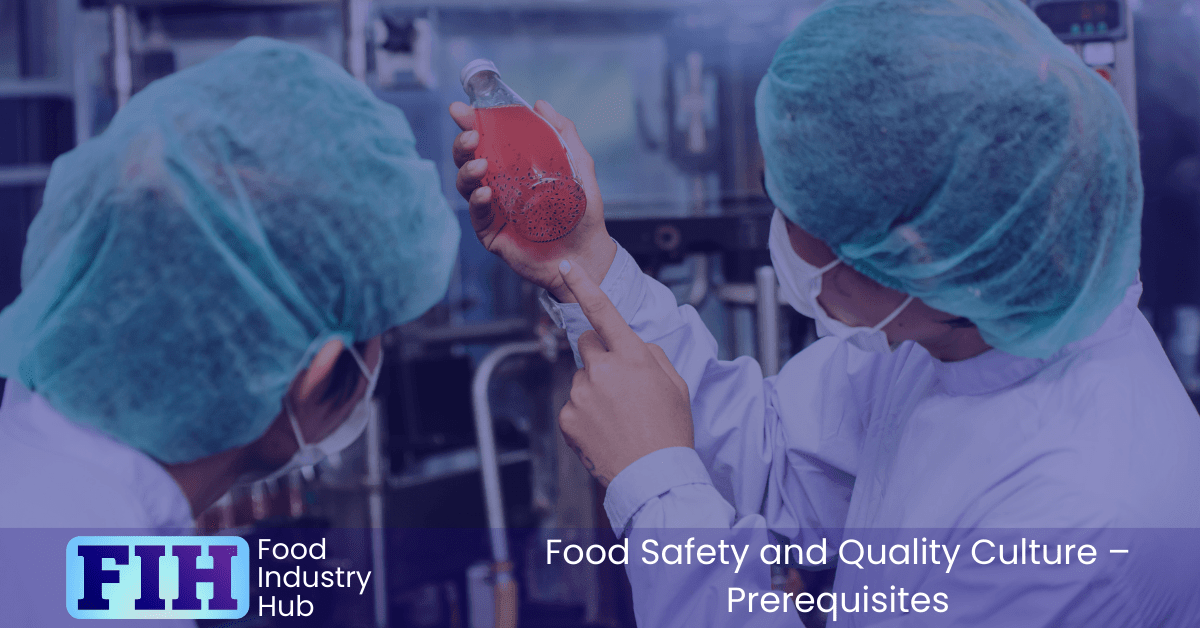
Allocate Resource Into Quality Processes For Food Safety and Quality Culture Development

Embracing The Principals and Understanding ROI

Successfully integrating food safety and quality values into an organisation’s total culture depends on aligning food safety and quality ideals with the values the organisation holds – and making sure those values and ideals are represented throughout the workforce. By itself, this is a lofty demand.

It’s also not free. There are direct and indirect financial costs, in addition to the time and effort needed. This is a real commitment.

So what’s the ROI? In fact, that’s a fascinating kind of challenge!

For organisations motivated by compliance, the ROI will be in satisfying a clause. No non-conformance.

For organisations that genuinely hold food safety and quality values, the return on investment is the potential to consistently out-perform the expectations of your documented management systems. To see the realisation of your ideals throughout operations.

If you genuinely ascribe value to food safety and quality, and you align your entire organisation around those sincerely-held values, you can actually create brand equity based on that. Reputational advantage is the opposite to incident-incurred brand damage. A business might take up a differentiated position in the market based on quality, trust, and safety.

If you understand that cultural conflicts erode the effectiveness of your food safety and quality management systems, you know that harmony between the culture and the management structure generates synergy.

The degree to which a brand can benefit from this is proportional to how well values and ideals are disseminated throughout the organisation – for example, is the marketing department communicating quality positioning to customers?

For any food manufacturer, return on investment will be anchored to sincerity. Pay lip service to culture, and avoid a non-conformance at audit. Invest in this, and it’s like anchoring your business to a rocket.
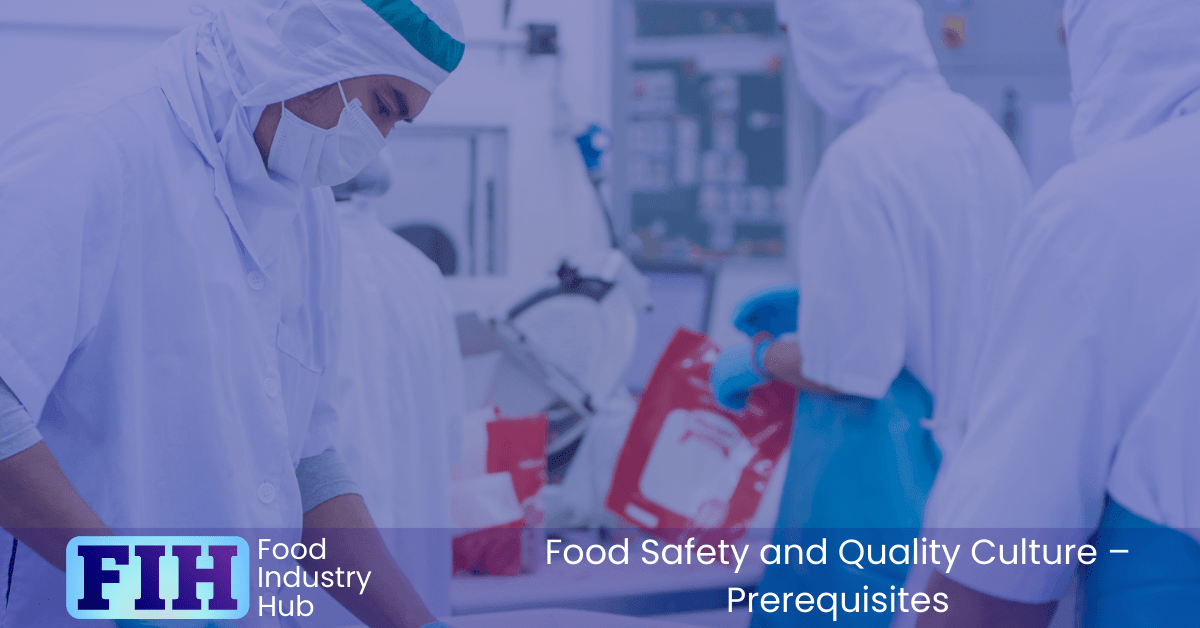
Embracing The Principals and Understanding the upside of a mature food safety and quality culture

Eliminate Blame

You can’t have a blame culture and also have a quality culture.

Sorry – oil and water. The two things don’t go together.

There are certain conflicts you just can’t compromise your way out of.

Quality and continuous improvement depend on open and honest communication. If a person feels like they might be blamed for something going wrong, they’re not going to be reporting hazards or contributing to root cause analyses. No-matter how highly they value food safety and quality, they’ll value self-preservation higher.

This is absolutely fundamental to being able to achieve a culture of safety and quality.

If something goes catastrophically wrong, and the business suffers losses in the millions, a mature food safety and quality culture would manifest as a safe space – empowering even the most junior individual to say:

“That all happened because of something I did. Here’s what happened, how, and why.”

No fear of reprisals. Understanding that by communicating how an incident occurred, as well as some of the contributing factors that led to its occurrence, they are contributing to the process of reducing the chances of it happening again.

And the power of this is expressed through the fact that senior management buy-in is manifested in a sincere commitment. The individual who appears to have been responsible for a costly or high-profile incident need not fear personal consequences.* Root cause analysis almost always identifies systematic factors that influence outcomes. Individuals almost always over-estimate their personal contribution to operational processes – and feel a disproportionate sense of culpability as a result.

*In fact, the person who stands up and explains how they contributed to a bad outcome having come about has a very bright future in front of them. That’s the kind of awareness and maturity of behaviour this company associates with management.

The way you create an environment for organisational learning and improvement is by embracing and facilitating information discovery when things go wrong. You can’t do that with a blame or punishment-oriented culture. Non-starter.

You have to choose: quality and safety, or blame and punishment. Either way, you’re committed – you can’t have both.
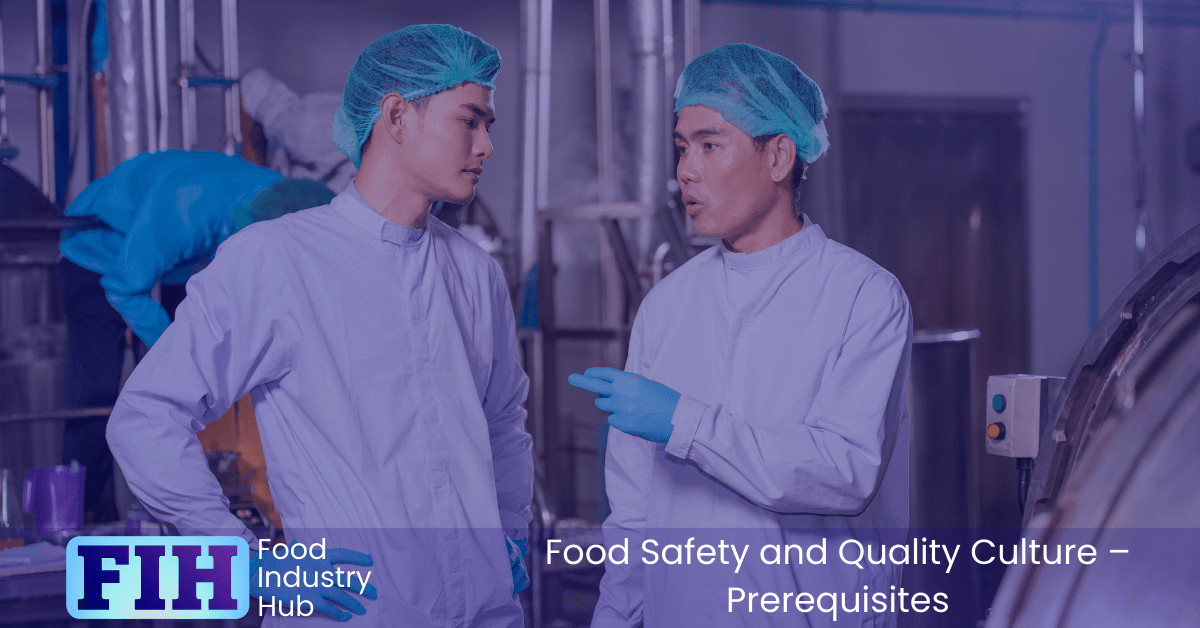
The Destructive Nature of a Blame Culture

FAQ

How do you align food safety and quality values with organisational values?

We’ve prepared this guide to food safety and quality culture development to provide a framework on how to go about aligning organizational values in favor of food safety and quality ideals. In brief, however, you could focus interventions around the following:

Leadership Commitment: Ensure that senior leadership is fully committed to food safety and quality. Leadership should communicate their commitment to these values and demonstrate their importance through their actions and decisions.

Integration into Mission and Vision: Incorporate food safety and quality goals into the organisation’s mission and vision statements. This helps emphasise their significance and align them with the overall purpose of the company.

Clear Communication: Clearly communicate the importance of food safety and quality to all employees. Regularly share information about the organisation’s commitment, goals, and progress in these areas.

Training and Education: Provide comprehensive training and education to employees at all levels. Make sure that everyone understands the importance of food safety and quality, their role in upholding these values, and the potential consequences of failing the consumer.

Performance Metrics and Goals: Establish key performance indicators (KPIs) related to food safety and quality. Set measurable goals that align with the organisation’s overall objectives, and track progress regularly.

Incorporate into Performance Evaluations: Integrate food safety and quality criteria into performance evaluations for all employees. Recognise and reward those who actively contribute to maintaining and improving these values.

Cross-Functional Collaboration: Foster collaboration between different departments to ensure that food safety and quality considerations are integrated into all processes. This includes production, procurement, supply chain, and more.

Continuous Improvement: Create a culture of continuous improvement by encouraging employees to identify opportunities for enhancing food safety and quality practices. Act on feedback and implement changes as needed.

Resource Allocation: Allocate adequate resources, including personnel, training, technology, and equipment, to support food safety and quality initiatives. Highlight their importance in budgeting and resource allocation discussions.

Transparency and Accountability: Foster a culture of transparency by encouraging open communication about issues and concerns related to food safety and quality. Hold individuals and teams accountable for upholding safety and quality ideals.

Regular Audits and Inspections: Conduct regular audits and inspections to ensure that food safety and quality practices are being followed. Use these assessments as opportunities for learning and improvement.

Supplier Relationships: Extend the commitment to food safety and quality to your suppliers. Collaborate with them to ensure that their practices align with your organisation’s values.

Customer Engagement: Engage with customers to demonstrate your commitment to food safety and quality. Provide information about your processes, certifications, and quality assurance measures to build trust.

Crisis Preparedness: Develop robust crisis management and response plans in case of food safety or quality incidents. Clearly outline roles and responsibilities for handling emergencies.

Continuous Communication: Maintain ongoing communication channels focused on food safety and quality. Share success stories, lessons learned, and best practices across the organisation.

By consistently reinforcing the alignment of food safety and quality values with organisational values, you can create a culture where these principles are deeply ingrained and play a central role in all aspects of the business.

Is a blame culture compatible with a quality culture?

No, a blame culture is not compatible with a quality culture. In fact, a blame culture can significantly hinder the development and maintenance of a quality-focused organisation. Let’s explore why these two cultures are incompatible and how they differ:

Blame Culture:

A blame culture is characterised by a tendency to assign blame or responsibility for mistakes or problems, often focusing on finding individuals to hold accountable rather than addressing underlying systemic issues. In a blame culture:

Fear of Reprisal: Employees are afraid to admit mistakes or report issues for fear of facing negative consequences, such as punishment or humiliation.

Lack of Transparency: Information is often withheld or manipulated to avoid being implicated in errors, hindering open communication and transparency.

Low Morale and Trust: A blame culture creates a toxic environment where employees feel demoralised, unsupported, and distrustful of management and colleagues.

Focus on Short-Term Fixes: The emphasis is on quick fixes and finding a scapegoat rather than addressing root causes or implementing long-term solutions.

Quality Culture:
A quality culture, on the other hand, is characterised by a commitment to continuous improvement, open communication, and shared responsibility for delivering high-quality products or services. In a quality culture:

Collaborative Problem-Solving: Employees are encouraged to collaborate and work together to identify and resolve issues. There is a focus on identifying systemic problems rather than blaming individuals.

Learning from Mistakes: Mistakes and failures are seen as opportunities for learning and improvement rather than as grounds for punishment.

Transparency and Accountability: There is a high level of transparency and accountability throughout the organisation. Employees feel comfortable reporting issues and suggesting improvements without fear of negative repercussions.

Long-Term Solutions: The organisation prioritises finding and addressing root causes of problems to prevent recurrence, rather than simply addressing symptoms.

Employee Empowerment: Employees are empowered to take ownership of their work, contribute ideas for improvement, and actively participate in quality initiatives.

To create a true quality culture, it’s important to shift away from a blame culture and create an environment where individuals are empowered to contribute to quality and improvement efforts without fear of blame. This involves:

Promoting Open Communication: Encourage employees to openly discuss issues and share insights without fear of punishment.

Focusing on Systems: Emphasise identifying and addressing systemic issues rather than placing blame on individuals.

Rewarding Improvement Efforts: Recognise and reward employees for their contributions to quality initiatives and continuous improvement.

Providing Training: Offer training in problem-solving, root cause analysis, and quality management to help employees effectively address challenges.

Leadership Example: Leaders should set the example by taking responsibility for organisational issues and promoting a culture of learning and improvement.

Ultimately, a blame-free environment is essential for fostering a quality culture that values collaboration, innovation, and long-term excellence.

In Summary

Food safety and quality culture can be a massive amplifier for organisational values, but only when certain fundamental conditions are met.

From The Food Industry Hub Knowledge Centre

Featured pages from The Food Industry Hub Knowledge Centre:

Know: Food Safety and Quality Culture

Know: Food Safety and Quality Culture Development Plan

Further Resources

Food Industry Hub serves the food industry with a range of digital resources for the benefit of both commercial food manufacturers and food industry professionals.

For food manufacturers, we offer integrated management systems that give every user a direct interface with your QMS.

For food industry professionals, we provide an extensive signposting service in addition to informational content we hope you’ll find useful as you face new professional challenges. We have very ambitious plans to expand the range of services offered, and currently present informational content on management, safety and quality, and professional success.


What new starters learn after food safety induction

What new starters learn after food safety induction

A new starter can leave induction knowing that uncertain product status must be raised before work continues. In the first week, they learn what happens when that uncertainty appears during a real shift. An experienced colleague may make space to stop and find an...

What observation reveals about food safety culture

What observation reveals about food safety culture

During an announced audit, an observer may see a careful handover of product status: the outgoing worker explains the hold, the incoming worker checks the record, and nobody moves the product before an authorised decision. That scene is valuable evidence. It shows...

What a food safety culture survey can really tell you

What a food safety culture survey can really tell you

A culture survey can produce a reassuring headline number. It can also produce a worrying one. Either result is easy to circulate and difficult to interpret if nobody has established what people were asked, whose experience is represented and what the responses can...

Fair responsibility after a food safety or quality failure

Fair responsibility after a food safety or quality failure

A food safety or quality failure often has a visible last action. Someone moved a pallet, entered a result or allowed work to continue. That action deserves examination. It is usually easier to see than the earlier decisions that shaped what the person knew, what...

What staff learn after food safety training ends

What staff learn after food safety training ends

A new operator is trained to pause a packing line when a label does not match the approved product. A week later, a doubtful pack appears during a busy changeover. The operator pauses and calls for help. The supervisor can treat that decision as the trained control...

When food safety targets reward a clean record instead of control

When food safety targets reward a clean record instead of control

A factory sets a target of zero customer complaints. The next report shows none. That could be excellent news: fewer products may be disappointing customers. It could also mean a changed classification rule, missing records or a reporting route that people have...

What food factory averages can hide about culture

What food factory averages can hide about culture

A site report shows fewer product-quality complaints than last quarter. The direction is welcome. On one packaging line, however, the same defect has returned several times, and the people investigating it have not secured the access or decision needed to remove its...

How management questions shape food safety and quality culture

How management questions shape food safety and quality culture

A manager receives a monthly report showing that a corrective action is still open. One response is to ask for a new target date. Another is to ask what evidence now shows about the problem, why the action slipped, who can remove the obstacle and how its effectiveness...

Why food safety and quality culture changes at different speeds

Why food safety and quality culture changes at different speeds

A site can revise a procedure in a day. People may understand the new instruction immediately and still be unsure what will happen when following it creates a delay, challenges a senior colleague or exposes an expensive problem. At the same site, one conspicuous...

Past responses shape the next food safety decision

Past responses shape the next food safety decision

A colleague notices an uncertain inspection result near the end of a busy shift. The formal route for reporting it is clear. Before using that route, the person may already have a view about what will happen: whether the concern will be welcomed, whether asking for...

Organisational values become credible through repeated decisions

Organisational values become credible through repeated decisions

A food manufacturer can put food safety and quality at the centre of a values statement and mean every word. Colleagues will still look to daily decisions to learn what that statement asks the organisation to do when it is inconvenient. A major intervention after a...

Map difficult decisions to see which values govern the work

Map difficult decisions to see which values govern the work

A food manufacturer can sincerely say that food safety, quality, service, output and cost all matter. The statement becomes less useful when an equipment repair needs access to a line during a busy period, a supplier issue threatens continuity, or extra investigation...

A strong food safety culture makes disagreement socially survivable

A strong food safety culture makes disagreement socially survivable

A production team can be close, capable and sincerely committed to food safety and quality, yet still find it difficult to question a decision made by one of its own. A colleague has spent hours resolving a supplier issue. The evidence looks almost sufficient. Raising...

When food safety and quality problems share a learning failure

When food safety and quality problems share a learning failure

An environmental monitoring result is escalated only after a second adverse finding. A supplier's deteriorating performance is discussed informally for weeks before its approved status is reviewed. An internal audit identifies the same unresolved weakness for a...

What the time from weak signal to decision can reveal about culture

What the time from weak signal to decision can reveal about culture

A routine result sits just outside what a team expected. On its own, it has several possible explanations. A second result appears later, then a related observation on another shift. The records exist, but only after the third finding does someone connect them and ask...

What the room changes in food safety culture interviews

What the room changes in food safety culture interviews

A focus group is asked whether people can raise a food safety concern without difficulty. A manager and several supervisors are present. Everyone agrees that the reporting route is clear. The answer may be sincere. It may also be incomplete. A supervisor who has...

Why culture assessment must sample decisions as well as people

Why culture assessment must sample decisions as well as people

A business asks employees across sites, shifts and departments about food safety and quality. Participation is broad. The responses show how people describe priorities and whether they believe concerns can be raised. That is useful evidence. Yet the assessment says...

When food factory teams disagree about enough evidence

When food factory teams disagree about enough evidence

A machine fault has been repaired. Engineering can show that the failed component has been replaced and the equipment runs again. Operations needs to know when production can restart. Technical asks whether the relevant control will perform reliably under normal...

Why food safety culture change needs local translation

Why food safety culture change needs local translation

An organisation announces a shared principle: uncertain product status must be resolved through evidence before release. The message is clear at the leadership meeting and appears in the same form across every site and shift. Yet people encounter it in different...

When too much information hides food safety signals

When too much information hides food safety signals

A weekly review pack includes production output, downtime, customer complaints, audit actions, supplier status, environmental results and dozens of other measures. A small quality deviation appears for the third week. It is not hidden; the line is in the report. Yet...

What a lack of response capacity teaches about food safety culture

What a lack of response capacity teaches about food safety culture

An adverse environmental result arrives during a full production week. The site must decide what the result means for the process and any affected product, investigate its source and consider the next evidence needed. The people who can do that work are already...

What change control reveals about food safety and quality culture

What change control reveals about food safety and quality culture

A site can approve a change, revise the relevant procedure and still leave people working from assumptions that belonged to the old arrangement. The document register may be current while the person setting up the line, the person checking the product and the person...

What verification reveals about food safety culture

What verification reveals about food safety culture

A site's dashboard shows that internal audits were completed, environmental samples were taken and cleaning records were signed. Those are useful facts. They do not yet tell leaders whether the checks could expose a weak control, whether an unexpected result would...

Keeping the old practice is a food safety decision too

Keeping the old practice is a food safety decision too

A site's environmental-monitoring map has been in use for years. Sampling locations are in the schedule, staff know the route and results flow into familiar reports. Then an equipment move changes the way people and materials pass through part of the production...

How culture shapes the first story about uncertain evidence

How culture shapes the first story about uncertain evidence

An unexpected environmental-monitoring result arrives from a food factory. The sample location is known, but the surrounding conditions are still being checked. One colleague wonders whether the sample was mishandled. Another remembers a recent cleaning change. A...

When pride in a good site makes bad news harder to hear

When pride in a good site makes bad news harder to hear

An internal auditor finds that cleaning records are complete, but the evidence of follow-up after several failed checks is difficult to trace across shift handovers. A manager responds, “That cannot be how we work here. We are one of the best sites in the group.” The...

What temporary workers reveal about food safety culture

What temporary workers reveal about food safety culture

An experienced packer notices that the labels beside a line do not match the product scheduled for the next run. She knows the supervisor who can pause the changeover, where the current specification is kept and which colleague can check the coding set-up. A temporary...

Why food safety culture can weaken while procedures stay the same

Why food safety culture can weaken while procedures stay the same

The procedure for reporting and controlling potentially non-conforming product has not changed. Staff still know where to record a concern, who can decide on product status and how to prevent unauthorised release. Yet a supervisor who once asked what people had...

How to tell whether food safety culture is changing

How to tell whether food safety culture is changing

A site revises its goods-receipt instructions, completes an escalation workshop, and reports that every delegate attended. Three months later, an incoming material arrives with a specification difference just as production needs it. Someone notices the difference....

How decision framing shapes food safety and quality culture

How decision framing shapes food safety and quality culture

The same food manufacturing decision can sound different depending on which consequence is named first. “Holding this batch will cost four hours of output” and “The batch’s conformity is unresolved before dispatch” may describe the same situation. Neither statement is...

How early explanations shape food safety investigation culture

How early explanations shape food safety investigation culture

An investigation needs an initial line of inquiry. A plausible explanation helps people decide which records to retrieve, who to speak to and what to examine first. The problem begins when that early account quietly becomes the answer. Later facts are then fitted...

Start food safety culture improvement with a recurring decision

Start food safety culture improvement with a recurring decision

A site can decide that it needs better “ownership” of food safety and quality without knowing which choice is failing, who faces it or what happens when somebody tries to do the right thing. The result may be a communication campaign that people understand perfectly...

Training cannot fix a food safety decision-rights problem

Training cannot fix a food safety decision-rights problem

At a label changeover, an operator notices that the roll beside the line may belong to a different product. She knows the check, understands the potential consequence and raises the concern. The line is ready to run, but the person authorised to decide the status of...

The next comparable incident is the real test of learning

The next comparable incident is the real test of learning

A site closes an investigation into a label changeover near miss. The affected product was controlled, a corrective action was assigned, the changeover instruction was revised and a short lesson was shared. The closure meeting ends with a familiar statement: “We have...

When a food safety concern gets no answer, silence becomes feedback

When a food safety concern gets no answer, silence becomes feedback

A packing operator notices that the label roll shown at handover may not match the sealed packs leaving the line. She raises the concern through the agreed route. Quality checks the product status, traces the rolls and starts an investigation. For several days, nobody...

Everyone sees what happens after a food safety concern is raised

Everyone sees what happens after a food safety concern is raised

An operator notices that a label roll at a packing line may not match the product being run. She raises the concern, affected packs are controlled, and the site begins checking what happened. Her colleagues may not see the investigation record or the final product...

Why more escalation can be a good early culture signal

Why more escalation can be a good early culture signal

A food plant encourages staff to raise concerns rather than solve difficult issues quietly. In the next quarter, formal escalations of packaging problems increase. Senior managers see more red entries on their dashboard, even though the purpose of the effort was to...

When more food safety findings can signal stronger prevention

When more food safety findings can signal stronger prevention

A food plant reports twice as many internal packaging near misses as it did a year ago. Customer label complaints have not fallen. A simple dashboard makes the plant look worse: more problems have been recorded without a visible improvement in the downstream result....

When food safety culture scores cannot rank sites fairly

When food safety culture scores cannot rank sites fairly

A multi-site food manufacturer gives two plants a culture survey. Site A scores higher on “people raise concerns early” than Site B. A league table puts A above B. Yet Site B's teams enter more near misses and stop more questionable product for review; interviews...

What a food safety culture survey measures after a major event

What a food safety culture survey measures after a major event

A food manufacturer runs a culture survey shortly after a product recall. The score for “I can raise a food safety concern” rises sharply. One interpretation is that people have gained confidence because leaders listened and acted. Another is that the recall has made...

What culture dashboards cannot explain on their own

What culture dashboards cannot explain on their own

A site reports that nearly every corrective action is completed by its due date. At the same time, packaging-control concerns keep returning. The dashboard is useful: it shows an apparent tension that deserves attention. It cannot say whether the organisation closes...

Why one food safety message can mean different things across a site

Why one food safety message can mean different things across a site

Senior leaders announce that anyone should stop and escalate when a food safety check cannot be completed. In the meeting, the message sounds supportive. On the production floor, an operator may wonder who will decide what happens to the product and whether the missed...

How supplier relationships shape food safety culture on both sides

How supplier relationships shape food safety culture on both sides

A supplier warns that a proposed packaging change may affect an agreed specification. The customer needs evidence and an authorised decision before the change is used. At the same time, a launch date is approaching. How the customer responds to the warning may...

When food safety teams misread each other’s priorities

When food safety teams misread each other’s priorities

A repair finishes close to a planned production restart. Engineering says the machine is functioning. Operations needs to know whether the line can run. Technical or Quality asks for hygiene clearance and a decision about any product affected before the repair. Each...

When repeated exceptions become unwritten permission in food safety

When repeated exceptions become unwritten permission in food safety

A supervisor may approve a departure from a routine check for a specific reason, with conditions that protect the product and a clear end point. The next shift may hear only that the check was deferred. After several similar episodes, asking to defer it can start to...

Fair follow-through can build trust in food safety reporting

Fair follow-through can build trust in food safety reporting

A site invites people to raise food safety concerns. An employee remembers the last time a colleague did so: the concern was acknowledged, but the colleague never heard what was decided and later had to explain the resulting delay to an irritated manager. Another...

What anonymous food safety reports can tell you about trust

What anonymous food safety reports can tell you about trust

An employee submits a concern through an anonymous route, although they could have spoken to their supervisor. The organisation receives information it might otherwise have missed. It also has a question to investigate: what made anonymity the right choice for this...

When a food safety workaround becomes a sign of competence

When a food safety workaround becomes a sign of competence

At a packaging changeover, one colleague completes the assigned line and label checks before the next run begins. Another skips part of the check to get the line moving quickly. If the team praises the second person and treats the first as needlessly slow, the issue...

Decision rights shape what food safety teams learn to own

Decision rights shape what food safety teams learn to own

A line worker notices that several sealed packs do not look right. Under the site's procedure, the worker stops the affected work, identifies the packs and raises the concern. That protective action is only the first decision in the episode. Someone with the...

A food safety form can teach people what not to notice

A food safety form can teach people what not to notice

A worker makes a manual temperature check in a chilled storage area. The reading is within the site's defined range, so the form invites a value, a time and a pass result. The worker has also noticed that the door has been held open repeatedly during loading. It...

A control that depends on heroics will teach people to bypass it

A control that depends on heroics will teach people to bypass it

At a food factory, a site-defined equipment condition check sits between a shift change and the start of production. The check is sensible: the area and equipment need to be in a condition the site can accept before work begins. Yet the person assigned to it must find...

A CAPA closure target can teach the wrong lesson

A CAPA closure target can teach the wrong lesson

A food factory has a corrective action open after fragments are found near a packing area. The affected work is assessed, the area is cleaned and an additional inspection is introduced. At the month-end meeting, the case is marked closed because the actions are...

How managers handle expert dissent shapes food safety culture

How managers handle expert dissent shapes food safety culture

A supplier offers an alternative primary pack when the normal material is unavailable. Operations can see the delivery impact of waiting. A packaging specialist has not yet seen enough evidence that the new material seals reliably on the site's equipment. A...

Why a formal escalation route can still teach people not to report

Why a formal escalation route can still teach people not to report

An operator finds an intermittent seal-quality problem on a packaging line. Affected packs are identified and controlled under the site's arrangements. The operator tells the supervisor, the concern is logged, and maintenance makes an adjustment. The line runs...

What a food safety procedure deviation can reveal about culture

What a food safety procedure deviation can reveal about culture

A supervisor finds that a documented line start-up inspection has no entry for the morning shift. The site includes this check in its own factory-condition programme. Production has already begun. The missing entry matters because the inspection is meant to establish...

A new leader inherits a food safety and quality culture

A new leader inherits a food safety and quality culture

On a new site leader's first week, a quality manager raises a packaging concern that has appeared on several runs. The team has corrected each occurrence and released product after the required checks. The incoming leader asks why the same concern keeps returning...

When food safety and quality promises lose credibility

When food safety and quality promises lose credibility

“Raise concerns early” is a clear message. It becomes less useful if the next person to report an uncertain quality defect is asked why they interrupted the schedule, while the manager who postpones a recurring equipment fix is praised for protecting output. Nobody...

Food safety and quality culture belongs to the whole organisation

Food safety and quality culture belongs to the whole organisation

A pack defect appears at the end of a busy production run. An operator sees a small problem, adjusts the next packs and continues. It is tempting to make that visible choice the whole story: the employee should have followed the reporting route. That may be true, and...

How a long run without failure can weaken vigilance

How a long run without failure can weaken vigilance

A long period without a serious food safety incident or major quality failure is worth recognising. Production has continued without the event everyone works to prevent. Then a small anomaly arrives: an unusual environmental result, a recurring pack defect or an audit...

What everyone learns from the first response to a food safety error

What everyone learns from the first response to a food safety error

A production colleague realises a scheduled check was missed and tells a supervisor. The immediate issue may involve product that needs to be identified and controlled. The supervisor also has to establish what happened. But the conversation has another audience:...

How to read early signs of food safety and quality culture change

How to read early signs of food safety and quality culture change

A factory can go months without a serious complaint while people are quietly losing confidence that concerns will be acted on. Another factory may record more internal findings because teams have begun looking harder and raising issues earlier. If leaders read the...

When food safety culture problems are conflicts of interest

When food safety culture problems are conflicts of interest

A production team finds uncertainty about a product check near the end of a shift. Reporting it may hold product, delay a handover and disrupt the schedule. The technical or quality team needs enough evidence to assess the status and make or support an authorised...

When professional pride makes food safety challenge harder

When professional pride makes food safety challenge harder

An internal audit finds that several sampled maintenance records do not show the evidence required by the site's procedure. At the closing discussion, someone says, “Engineering does not take records seriously.” The sentence moves from a specific gap to a...

What career decisions teach about food safety and quality culture

What career decisions teach about food safety and quality culture

A site can say that people should raise concerns early, protect product status and challenge a weak control. The message changes when performance reviews praise uninterrupted output but treat the time spent identifying and resolving a concern as a failure. Colleagues...

When food safety evidence threatens the answer we want

When food safety evidence threatens the answer we want

An adverse environmental-monitoring result arrives when a factory hopes to return to routine production. One explanation is that the result is an isolated sampling anomaly. Another is that it points to a hygiene condition requiring further control and investigation....

Turn a food safety value into work people can actually experience

Turn a food safety value into work people can actually experience

A manufacturer says it wants more openness about food safety and quality. The statement sounds clear until a packing operator notices a possible weak seal late in a busy changeover. Should the operator pause and ask for help? Who decides what happens to packs already...

Fix the contradiction before launching a food safety culture campaign

Fix the contradiction before launching a food safety culture campaign

A factory asks everyone to “speak up early” about food safety concerns. The message appears in briefings and on walls. Meanwhile, a hygiene team repeatedly reports that it cannot reach a planned sampling point during the agreed production window. Each time, the issue...

Why one maturity stage can misread food safety and quality culture

Why one maturity stage can misread food safety and quality culture

A site is described as being at the “proactive” stage of food safety culture. People raise concerns early, managers say the right things, and the assessment produces a reassuring label. Yet a hygiene team still struggles to secure access for planned sampling, and a...

What to investigate after a food safety and quality culture survey

What to investigate after a food safety and quality culture survey

Suppose a food factory survey finds broad agreement that people are encouraged to report concerns, but a smaller group doubts that anything useful happens afterwards. The two answers need not cancel each other out. People may know the route and still have little...

When food safety culture evidence disagrees, investigate the gap

When food safety culture evidence disagrees, investigate the gap

A food factory's survey suggests that people feel comfortable raising food safety concerns. Yet an interview describes a concern that never reached the person who could resolve it. Which account should a site leader believe? Both may describe something real. A...

How confident should a food safety culture assessment be?

How confident should a food safety culture assessment be?

Describe the observation before naming the culture Several food factory employees say that unusual line observations are difficult to raise. The concern log shows few entries, yet one recent worker describes a supervisor who listened carefully and arranged a prompt...

Why a good food safety result does not prove a good culture

Why a good food safety result does not prove a good culture

An outcome is evidence, but not the whole explanation A food factory reports no serious complaints for several months. Another detects an unexpected deviation and holds affected product before release. Which has the stronger food safety and quality culture? The...

How different shift cultures emerge inside one food factory

How different shift cultures emerge inside one food factory

One policy does not mean one daily expectation Two shifts work on the same production line under the same food safety and quality procedures. On one shift, an unusual packaging observation is discussed promptly and the open question is passed to the next team with its...

When saying “I don’t know” feels risky in a food factory

When saying “I don’t know” feels risky in a food factory

A supervisor asks whether a batch is ready for dispatch. A quality colleague has seen a test result that needs further interpretation. The colleague can say, “I can't confirm that yet. Here is what we know, and here is what I need to check.” If admitting that...

What food factory colleagues praise becomes part of the standard

What food factory colleagues praise becomes part of the standard

A new starter hears colleagues praise an experienced operator for getting a line running smoothly after a changeover. Later, another worker leaves a careful handover: an unusual quality observation is recorded, affected material is identified under the site's...

When the food safety check is easy but asking for it is hard

When the food safety check is easy but asking for it is hard

At a packaging changeover, a worker is ready to make the identification check required by the site's method. The correct information and materials are at the line. The check takes little time and needs a colleague to confirm what is in use. As the worker asks,...

Who can quietly stop a food safety decision from happening?

Who can quietly stop a food safety decision from happening?

A technical manager has authority to assess a possible product problem. The affected stock is identified and securely held; nobody is suggesting it should be released without a decision. To finish the investigation, however, the team needs access to a line, a...

When food safety work asks people to remember too much

When food safety work asks people to remember too much

A pre-start check asks an operator to inspect a piece of equipment, confirm that cleaning has been completed, review a change since the previous shift and record the result. The information is available. Yet the operator must move between several screens, re-enter the...

When the right food safety action is the hardest one to take

When the right food safety action is the hardest one to take

A current instruction is available somewhere in the factory's document system, but a worker who needs it during a task must leave the area, find a shared terminal and wait for access. A colleague remembers the step and offers an old printed copy. The approved...

When good department targets work against food safety and quality

When good department targets work against food safety and quality

A production team is asked to keep a line available and meet the week's output plan. A hygiene team is asked to complete an effective clean before the line returns to work. Both aims make sense. The conflict begins if the schedule gives the cleaning team too...

What a food factory rewards when someone finds a problem

What a food factory rewards when someone finds a problem

A team has worked hard all month and its performance board shows no internal audit findings. Then an auditor finds a genuine weakness in a process the team owns. The finding needs assessment and action. It also threatens the team's chance of being named the...

The forms that teach food factory teams what to notice

The forms that teach food factory teams what to notice

A factory inspection sheet can do more than capture the result of a walk round. It can direct the inspector's eyes. If it asks every time about door condition, cleaning and equipment damage, those subjects become part of the routine. If it gives no workable way to...

The question a food safety manager asks can shape the answer

The question a food safety manager asks can shape the answer

A manager opens a review by asking, “We are clear to close this, aren't we?” A colleague has an unresolved concern, but the wording already points toward the desired answer. The colleague can still speak up. Yet doing so now means contradicting the person who...

When food safety diligence becomes a reason to delay

When food safety diligence becomes a reason to delay

A food safety team reviews a proposed corrective action and asks for one more check. That may be exactly right. A poor cause analysis or untested fix can leave a hazard in place beneath a tidy record. But there is another possibility: the additional check cannot...

How much evidence is enough to act on a food safety concern?

How much evidence is enough to act on a food safety concern?

A food manufacturer rarely gets to choose between perfect evidence and none. A concern may be credible but incomplete. Product may be waiting, a line may be running, or a supplier decision may be due. Someone has to decide whether to protect, investigate, continue,...

A completed food safety check is only the start of assurance

A completed food safety check is only the start of assurance

A food safety check is done at the scheduled time. The right person uses the specified method, enters the result and signs the record. That is meaningful work. It gives the organisation evidence that a defined control was carried out and creates a basis for review....

A food factory workaround needs diagnosis before a lasting fix

A food factory workaround needs diagnosis before a lasting fix

A written procedure says one thing; the work happens another way. The difference may be discovered in an audit, an incident review or an ordinary conversation on the factory floor. It is tempting to call the workaround a discipline problem and instruct everyone to...

What perfect records cannot tell you about food safety culture

What perfect records cannot tell you about food safety culture

A folder of completed checks can be reassuring. Every inspection has a date, every field is filled, and actions appear to have been signed off. These are useful features of a controlled management system. They make work traceable and give reviewers something to...

A food safety decision may need reopening when the evidence changes

A food safety decision may need reopening when the evidence changes

A corrective action is completed, its effectiveness has been checked, and the case is closed. That closure gives people permission to move on. It may also become part of a reassuring account of performance. If later evidence weakens the conclusion, the organisation...

When requests for more evidence delay a food safety concern

When requests for more evidence delay a food safety concern

Someone raises an awkward concern before they can prove exactly what it means. A manager asks for more evidence. That may be the most responsible next step: unclear observations need checking, and consequential decisions should have a sound basis. Yet the same phrase...

When small food factory anomalies form a bigger pattern

When small food factory anomalies form a bigger pattern

A packaging team records a few seals that need attention during each shift. Each finding is assessed and handled, and no individual result appears to demand a wider response. Weeks later, someone places the records side by side. The same kind of observation has...

Who finds a food factory’s weaknesses first?

Who finds a food factory’s weaknesses first?

A manufacturer learns of a recurring packaging fault through its own checks before product leaves the site. Another learns about a similar fault when customers complain. Both have a weakness to investigate, and the technical significance of each case depends on the...

Why difficult decisions can reveal food safety and quality culture

Why difficult decisions can reveal food safety and quality culture

A factory completes its scheduled cleaning, records the checks and starts production on time. The routine has worked. Later, a customer request compresses the available production window, and the same cleaning still needs time and resources. What changes when the...

A food factory’s present culture cannot reveal its whole history

A food factory’s present culture cannot reveal its whole history

A food manufacturer notices that equipment concerns travel through an informal conversation with an experienced engineer before they enter the formal maintenance route. The pattern is visible across several shifts. People expect the informal route to get attention;...

Why food factory workarounds can outlive the problems they solved

Why food factory workarounds can outlive the problems they solved

A food factory replaces an unreliable check system, but some teams continue to use the paper route introduced during the original outage. The electronic system is available, the procedure has changed and the paper route now creates extra reconciliation work. To...

Why food safety and quality culture survives staff turnover

Why food safety and quality culture survives staff turnover

A new manager arrives, promises a stronger food safety culture and replaces a familiar instruction. Six months later, the same workaround and the same argument for using it have returned. It is tempting to say that the new manager failed, or that the departing team...

Culture change in food manufacturing needs more than enthusiasm

Culture change in food manufacturing needs more than enthusiasm

A site proposes a stronger environmental monitoring programme. Managers explain the risk, supervisors agree that it matters, and the revised plan is issued. A few weeks later, sampling is repeatedly delayed because the people expected to release equipment cannot spare...

When culture reinforcement crosses the ethical line

When culture reinforcement crosses the ethical line

A food manufacturer announces a monthly prize for the team with the fewest recorded quality incidents. The intention is understandable: make good performance visible and give people a reason to care. Then an operator detects a possible nonconformity and stops the...

Food safety culture and climate: what a survey can tell you

Food safety culture and climate: what a survey can tell you

An employee survey can tell a food business something important: how people say they experience its priorities at the time they answer. A person may report that raising a concern feels safe, that production pressure makes a quality check difficult, or that managers...

Why fair investigations matter to food safety culture

Why fair investigations matter to food safety culture

A recurring packaging-seal check discrepancy appears. It is tempting to start with the person who completed the checks: they must have been careless. But the record may show a change in equipment condition, an unclear acceptance criterion, an interruption or a problem...
What high-reliability thinking can teach a food factory

What high-reliability thinking can teach a food factory

A food factory may go months without a major incident while small anomalies, repeated exceptions and difficult handovers continue underneath. The absence of visible harm is welcome, but it is a weak test of how the organisation would detect and handle a developing...

When more bad news may signal a stronger food safety culture

When more bad news may signal a stronger food safety culture

A factory changes the way people can raise food safety and quality concerns. Supervisors repeat that uncertain observations are worth reporting. The next monthly review shows more concerns, more audit findings and more escalations. Has the culture deteriorated?...

Food safety culture is inferred from evidence, not read directly

Food safety culture is inferred from evidence, not read directly

Several corrective actions are overdue. A manager says, “This proves people do not care about food safety.” The dates may be clear, but the conclusion is not. Some actions might be waiting for a planned equipment change; some deadlines may have been unrealistic;...

When everyone assumes someone else wants the food safety shortcut

When everyone assumes someone else wants the food safety shortcut

A shipment is due to leave, but an applicable finished-product release review is not complete. Production thinks Commercial promised the customer that the deadline cannot move. Commercial assumes Operations and Quality would say if release were blocked. Quality...

When “everyone does it this way” becomes a food safety rule

When “everyone does it this way” becomes a food safety rule

Imagine a new team member watching an experienced colleague complete a production check. The check happens at the right point, but its record is filled in at the end of the run. The colleague says, “Everyone does it this way.” No one nearby objects. At the next...

How management information shapes food safety and quality culture

How management information shapes food safety and quality culture

A management dashboard shows environmental monitoring performance as green. The underlying records include several adverse results from the same zone. Each result may have been assessed and managed under the site's procedure, yet the repeated pattern may still...

Choose the culture intervention that fits the problem

Choose the culture intervention that fits the problem

An important line check is repeatedly completed late. The first proposal is a refresher session on why the check matters. That may be useful if people do not understand the control or cannot perform it correctly. It will do little if the required information arrives...

How workarounds become normal in food safety and quality work

How workarounds become normal in food safety and quality work

At a changeover, a cleaning verification step takes longer than the available window. A team shortens the sequence to keep the line moving. Nothing visibly goes wrong. The next shift sees the same shortcut and uses it again. Weeks later, people describe the shortened...

What management review teaches people to notice

What management review teaches people to notice

A management review pack reports that customer complaints are below the site target. The headline is green. Buried in the detail, one product has generated the same type of complaint across several weeks. The issue has been handled case by case, but nobody asks...

What internal audits reveal about food safety and quality culture

What internal audits reveal about food safety and quality culture

A site completes its internal audit programme and reports very few findings. That could be reassuring. It could also mean the scope was narrow, the audit was hurried, people prepared a polished version of work, or concerns were difficult to raise. Another site records...

What the full CAPA lifecycle reveals about food safety culture

What the full CAPA lifecycle reveals about food safety culture

A corrective-action case is closed. The record contains an investigation, an action owner and a completion date. Three months later, the same weakness appears again. The return of the problem does not automatically prove that the first investigation was careless. It...

A reporting system is not the same as a reporting culture

A reporting system is not the same as a reporting culture

A food manufacturer can have a concern form, an escalation chart and a confidential line. A worker can know where all three are and still decide that raising an issue is not worth it. Perhaps the person expects the concern to stop with a busy supervisor. Perhaps an...

Build a food safety culture profile, not a single score

Build a food safety culture profile, not a single score

A site survey reports that most respondents feel able to raise a food safety concern. The result looks reassuring. Yet one shift describes unanswered questions about a recurring check, while another can show several concerns resolved quickly. Internal audits record...

The employee lifecycle teaches food safety and quality culture

The employee lifecycle teaches food safety and quality culture

A new operator hears during induction that everyone should raise a food quality concern promptly. In the first month, they notice a possible deviation and tell a supervisor. The supervisor's response will teach them something that the induction slide could not:...

The response to a food safety concern shapes the next one

The response to a food safety concern shapes the next one

A hygiene inspection finds that a part of the factory has not been cleaned to the expected standard. The finding is recorded, the immediate condition is assessed, and an action is agreed. On paper, the episode may appear finished once the action is verified. For the...

Why people copy colleagues in food safety and quality work

Why people copy colleagues in food safety and quality work

At a changeover, an experienced operator says that a cleaning check is sufficient and the line can move on. Two newer colleagues follow that lead. One is uneasy but does not want to challenge the operator in front of the team. The other believes the operator has seen...

Bad news can strengthen food safety culture when it leads to action

Bad news can strengthen food safety culture when it leads to action

An environmental monitoring result comes back adverse. Nobody wanted that result. It may demand an urgent assessment of the process, hygiene controls and any potentially affected product. It may also tell the organisation something it could not have learned from a...

The same food safety behaviour can mean different things

The same food safety behaviour can mean different things

Two auditors can see an employee complete the same verification record. In one case, the person understands what the check protects and would stop the line if the result were doubtful. In another, the person fills in the record because a supervisor will inspect it....

Your food safety and quality culture predates the culture plan

Your food safety and quality culture predates the culture plan

A manufacturer can announce a culture programme on Monday. On Tuesday, people still make decisions within the expectations and working conditions they knew the week before. They know which concerns usually receive attention, which requests for time or equipment...

Identifying and Ranking Values for Culture Alignment

Identifying and Ranking Values for Culture Alignment

IntroductionWhat truly defines your company’s culture? While policies, procedures, and training play a role, the foundation of a strong food safety and quality culture lies in the values your business upholds. These values shape the way decisions are made, the...

Food Safety and Quality Culture: Fundamental Principles

Food Safety and Quality Culture: Fundamental Principles

IntroductionCreating a culture of food safety and quality is essential for any food manufacturing business aiming to maintain high standards, protect consumer health, and uphold its reputation. It involves more than just meeting regulatory requirements; it requires a...

Values, Attitudes, and Behaviours: A Culture of Safety and Quality

Values, Attitudes, and Behaviours: A Culture of Safety and Quality

IntroductionThe culture of safety and quality within your organisation is not just dictated by policies and procedures; it's shaped by the values you espouse, the attitudes you cultivate, and the behaviours you reward. So how do you ensure that the values you've put...

Discussion: Food Safety and Quality Culture

Discussion: Food Safety and Quality Culture

IntroductionOn Friday 30th August 2024, Food Industry Hub’s Duncan Lacey joined Bryan Armentrout on The Food Leadership Group Food Safety Chat Live! to discuss food safety and quality culture. You can watch a recording of the chat here, and the transcript is shown...

Using Peer Pressure for Food Safety and Quality Culture Development

Using Peer Pressure for Food Safety and Quality Culture Development

IntroductionConsider the power of positive peer pressure in shaping the culture of food safety and quality in your organisation. You've seen how it can sway behaviours in other aspects, but have you ever considered harnessing it to encourage adherence to food safety...

Ecosystem Influences on Food Safety and Quality Culture

Ecosystem Influences on Food Safety and Quality Culture

IntroductionIn a food manufacturing business, the ecosystem surrounding food safety and quality is a multifaceted web of influences. From suppliers ensuring top-notch materials to consumers demanding transparency, each stakeholder adds a crucial layer to the culture....

The Role of Feedback in Food Safety and Quality Culture

The Role of Feedback in Food Safety and Quality Culture

IntroductionIn the complex landscape of food manufacturing, the influence of social feedback on shaping food safety and quality culture cannot be overstated. Your organisation's success in maintaining high standards hinges on how effectively social interactions...

Food Safety Culture: An Organisational Walkthrough

Food Safety Culture: An Organisational Walkthrough

IntroductionFood safety and quality culture is not separate to organisational systems or business structure. In reality, organisational culture is a characteristic -and expression- of the organisation, and manifests throughout all levels. In this post, we'll explore...

Applying Metrics for Food Safety and Quality Culture Measurement

Applying Metrics for Food Safety and Quality Culture Measurement

IntroductionCompliance depends on objective evidence. Without objective evidence, it is impossible to demonstrate compliance or non-compliance at audit. The notion of compliance is only meaningful if it can be challenged and measured. Today, various compliance...

A Comprehensive Guide to Food Safety and Quality Culture Improvement

A Comprehensive Guide to Food Safety and Quality Culture Improvement

IntroductionIn this post, we’ll discuss the nature of food safety and quality culture and how it’s defined. We’ll touch on measurement/evaluation and how best to assess your food safety and quality culture. We’ll also go on to explore some of the ways you can improve...

How To Achieve Culture Change in Your Food Manufacturing Business

How To Achieve Culture Change in Your Food Manufacturing Business

IntroductionSo, you've noticed that your food manufacturing business could use a culture revamp. But how do you actually make that happen? It's not just about setting goals and hoping for the best. There's a strategic process involved that requires commitment and...

Quality Management and Food Safety Culture – a Virtuous Cycle

Quality Management and Food Safety Culture – a Virtuous Cycle

IntroductionFood safety and quality are of paramount importance for food manufacturers, as they directly impact the health and well-being of customers, as well as the reputation and success of the company. Implementing a robust food safety and quality management...

Data Processing for Food Safety and Quality Culture Development

Data Processing for Food Safety and Quality Culture Development

IntroductionThere’s a lot about culture that seems very subjective and removed from objective data, but data interactions can be among the most powerful tools organisations have when making strategic interventions to their food safety and quality culture. This post...

Building a Strong Quality Culture with a Systematic Approach

Building a Strong Quality Culture with a Systematic Approach

IntroductionMany compliance standards now include requirements for food businesses to demonstrate the development and improvement of their food safety and quality culture. This post explores systemic influences on culture and offers suggestions for how to promote your...

10 Ways To Improve Your Food Safety and Quality Culture

10 Ways To Improve Your Food Safety and Quality Culture

IntroductionFood safety and quality culture can be a difficult thing to address because of the intangible nature of the topic. In this post, we offer actionable suggestions for initiatives that you can use to develop a culture of food safety and quality.This post is...

How To Intentionally Develop a Culture of Food Safety and Quality

How To Intentionally Develop a Culture of Food Safety and Quality

IntroductionThis post is intended to provide a framework that you can use to assess and improve your food safety and quality culture. We’ll explore how to align values and encourage their adoption. We’ll also discuss ways to address conflicts for mutual benefit. All...

How Food Safety and Quality Culture is Organically Formed

How Food Safety and Quality Culture is Organically Formed

IntroductionEvery organisation has a food safety and quality culture, whether it has been intentionally shaped or allowed to develop organically. It’s the nature of the culture, rather than its existence, in question here. A fragmented or conflicted food safety and...

Understanding Food Safety and Quality Culture

Understanding Food Safety and Quality Culture

IntroductionFood safety and quality culture is an interesting subject, and distinct from many operational concerns in that it directly addresses psychological topics – which is unfamiliar terrain for many in the food industry. In this post, we’ll look at...

Food Industry Hub blog

The Food Industry Hub blog includes practical discussion for food manufacturing professionals across technical, cultural, management and professional themes.

This post is part of the category:

Stay connected with Food Industry Hub

Receive Food Industry Hub updates, resources and practical content for food manufacturing businesses and professionals.

Stay informed about new resources, articles, tools and Food Industry Hub service developments.